



To achieve a strong foundation in this engaging racquet sport, prioritize your agility and preparation on the court. The ability to move swiftly and position yourself effectively allows for better control of your shots, especially your backhand and serves. Focus on developing these skills with specific game-based drills that simulate match conditions, allowing for a more enjoyable experience while you practice.
Table Of Content
- Beginner Padel Guide: Quick Summary
- Key Techniques for Beginner Padel Players
- Understanding the Basic Grip
- Footwork Fundamentals to Improve Movement
- Mastering the Serve: Tips and Tricks
- Game Strategies for New Players
- Reading Your Opponent’s Moves
- The Importance of Court Positioning
- Question-answer
- What basic equipment do I need to start playing padel?
- How can I improve my padel skills quickly as a beginner?
- What are the basic rules of padel that beginners should know?
- What tips can you offer for better court positioning during a match?
- Join local clubs and work with coaches to get structured feedback and improve technique while prioritizing well being.
- Practice footwork progressions like shuffles, ladder drills, and box jumps to boost agility and court movement.
- Master key techniques: volleys, serves, and the continental grip for versatile, controlled shots.
- Focus on court positioning and reading opponents to anticipate shots and coordinate effectively with your partner.

Joining local clubs can greatly enhance your journey by providing access to official coaches who can offer tailored methodologies for improvement. These professionals focus on elevating your technical abilities while ensuring that your well-being remains a top objective. By participating in team practices, you’ll not only sharpen your skills but also learn the value of teamwork and strategy in competitive play.
Today, the world of padel offers quick improvements through consistent practice and dedication. Instead of spending long hours without a clear plan, utilize structured drills that allow for transferable skills relevant both on and outside the court. Remember, mastery comes not just from repetition but also from understanding the objectives behind each move. Embrace the learning process, and you’ll be well on your way to becoming a formidable player.
Beginner Padel Guide: Quick Summary
| Aspect of Play | Key Actions / Tips | Goal / Outcome |
|---|---|---|
| 🏸 Technique | Practice volleys near walls, use a continental grip, train underhand serves with spin. | Control, accuracy, confidence in basic strokes. |
| 🦶 Footwork | Use side shuffles, train with agility ladders and cones, stay on your toes. | Quick positioning, balance, readiness for any shot. |
| 🎯 Strategy | Master deep cross-court shots, learn to read the opponent’s body language, prioritize court positioning (near the “T”). | Smart point construction, anticipation, reduced errors. |
| 🧠 Mindset | Set small, achievable goals, stay relaxed, analyze your matches, play for fun and learning. | Reduced anxiety, consistent progress, long-term enjoyment. |
| 👥 Community | Join a local club, train with a coach, play with partners of different levels. | Faster improvement, motivation, understanding of tactics. |
| 🛒 Recommended Gear | Wilson/HEAD rackets, Adidas padel balls, agility ladders, reaction balls, comfortable court shoes. | Quality training, injury prevention, better performance. |
Key Techniques for Beginner Padel Players
To start your journey in this thrilling sport, one important technique is mastering volleys. As you find your rhythm, practice hitting volleys near the walls. This will help maintain control and positioning during matches. The wall rebounds can create unique scenarios, allowing you to develop your technical skills further.
Setting achievable objectives is essential for success. Start with small goals, such as improving your accuracy or power in serves. As you progress, you can expand these objectives to include more complex shots and strategies. Remember, less can be more; focusing on specific skills can yield substantial benefits in your overall game.
When playing, try to reduce anxiety by staying relaxed and focusing on your breathing. This not only helps in maintaining composure but also allows you to make better decisions on the court. Additionally, surrounding yourself with friends and acquaintances who share your passion can create a fun training environment and enhance your learning experience.

While competing, be aware that every match is an opportunity to learn. Pay attention to your opponents’ style and tactics, as this can provide valuable insights into your own gameplay. Consider recording your matches for later review. This can help you identify areas for improvement and reinforce your training values.
For additional training resources, check out products like the Wilson Optix V1 Padel Racket or the Adidas Padel Balls available on Amazon. These items support both your technical development and physical conditioning. By investing in quality gear, you open up your potential for greater success in the sport.
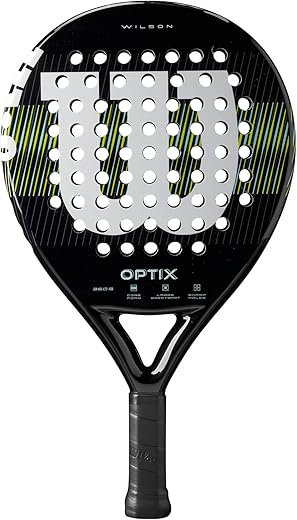
Wilson Optix V1 Padel Rackets - Grip Size 2-4 1/4"
Lastly, view every practice as a stepping stone. The journey may be challenging, but with dedication and the right techniques, you’ll find yourself excelling in no time!
Understanding the Basic Grip
To excel in your sport, take the time to learn the right grip. The choice of grip can unlock your potential, especially when working on your forehand and backhand shots. When starting out, a continental grip is often recommended. This allows for versatility in your strokes, whether you’re hitting lobs or performs aggressive shots.
Your gear also plays a crucial role. A lightweight paddle can enhance your footwork and overall activity on the courts. Look for paddles that host features that reduce vibration, providing relief during extended play. The Amazon Prime Paddle is an excellent choice for many beginners, providing a balance between power and control.
Cognitive strategies are equally important as physical techniques. While practicing different grips, pay attention to how your hand feels on the paddle. A certified coach can help you expand your knowledge on best practices and common mistakes. This feedback might kick-start your journey towards success. For those looking to improve their game, consider taking lessons where you can practice your grip and footwork in real time.
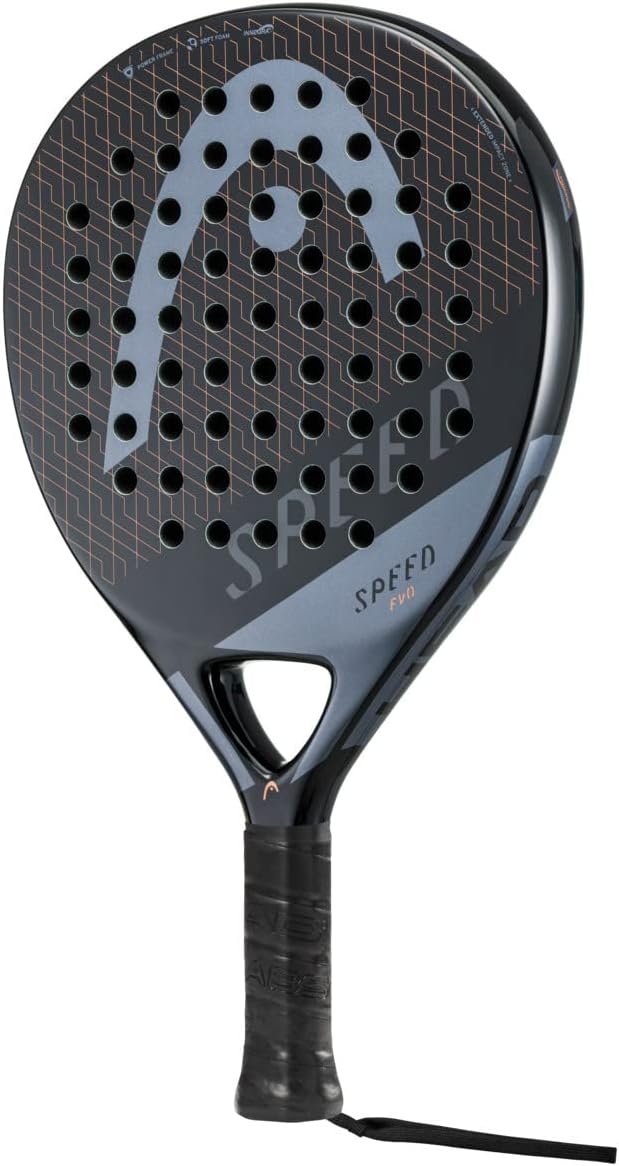
HEAD EVO Padel Racket Paddle Series
In your early days, focus on the fundamentals. Each time you step onto the court, reflect on your grip and how it affects your performance in various situations. As you become comfortable, adding variation to your grip can create new opportunities and space for your shots. This will enhance your overall play and keep your opponent guessing.
Footwork Fundamentals to Improve Movement
Focus on your footwork to elevate your playing skills. A strong foundation in footwork is fundamental for making quick movements during matches. Start by practicing sideways shuffles instead of just running. This technique helps you maintain balance while positioning for backhands and forehands.
Use progressions in your training sessions. Start with basic drills that focus on short sprints, then gradually increase the distance and speed. This method develops better agility and reaction times over time, allowing for smoother transitions during competitive play. Consider incorporating activities like obstacle courses that mimic tournament conditions to enhance your responsiveness.
Ensure your stance is open and ready for action. Instead of standing flat-footed, try to stay on your toes, which helps with explosive movements and quick direction changes. Children often benefit from this because it makes the game more enjoyable and less tiring, leading to longer practice sessions and improved skills.
For personal progression, set specific goals each week to evaluate your footwork. Integrate exercises like box jumps or ladder drills, which kick your coordination up a notch. These drills are fantastic for developing quick feet, making you more effective during matches. By focusing on these fundamentals, you’ll be well-prepared for any competition.
If you’re interested in tools to aid your training, check out products like agility ladders or resistance bands on Amazon. These items are developed to enhance your foot speed and lateral agility, contributing to a more dynamic playing style overall.

Mastering the Serve: Tips and Tricks
Start by focusing on your footwork. Good footwork is crucial for a successful serve. Make sure to position yourself properly to create a strong base. Practice moving quickly to the ball with lots of different exercises that enhance your agility and coordination. A solid stance allows for powerful and accurate serves.
Next, pay attention to the basic grip and racket positioning. An official grip will help you generate spin and power. Experiment with a continental grip for serving, as it works well for both forehand and backhand serves. This grip promotes a natural motion that maximizes your ability to control the ball.
Understanding the trajectory of your serve can set you up for success. Aim for different target areas on the service box, and mix up your serves to challenge your opponent. Use visual cues to guide your decision-making, ensuring you can adapt based on your opponent’s positioning. For instance, serve wide to stretch your opponent and create openings.
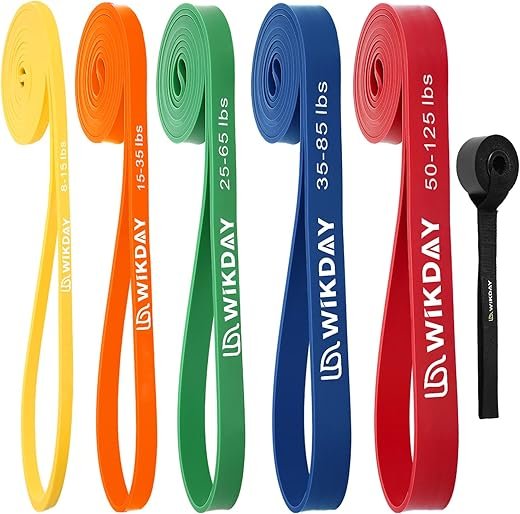
Conditioning is key. A strong upper body and core will help you deliver more powerful serves. Incorporate exercises like push-ups and planks into your routine. Lots of players overlook the benefits of strength conditioning, yet it’s essential for performance. Consider using resistance bands to enhance your shoulder and arm strength.
Communicative play is also important, even in singles situations. After serving, be ready to anticipate your opponent’s return. Develop methodologies to quickly analyze the fast-paced game, letting you react just in time. This cognitive training will help you stay one step ahead.
Finally, practice regularly to master your skills. Dedicate time to serve practice, experimenting with different balls and techniques. A product such as the Wilson Pro Staff Tennis Bag found on Amazon can help you carry all your essentials while you exercise. The right gear supports your training objectives and provides easy access to your equipment.
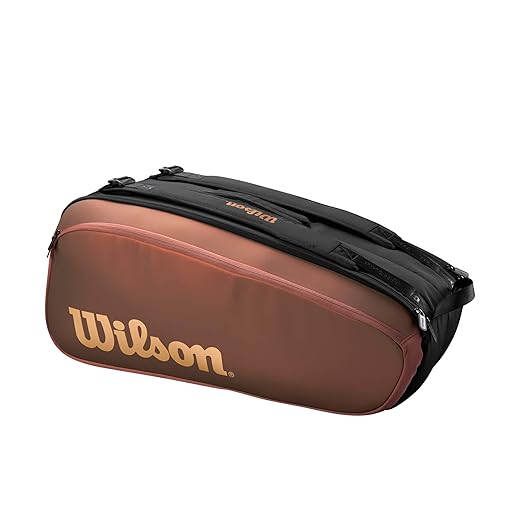
WILSON Pro Staff V14
Game Strategies for New Players
Focus on understanding space on the court. Positioning is key to making quick decisions during rallies. When a ball comes your way, assess where to stand for the best response. This allows you to set goals like improving your serves and returns. Use online videos to see examples of effective positioning techniques.
Practice basic strokes to improve your overall performance. Kicking the ball with different angles can help deepen your knowledge of ball control. Work on your blocks as well; they’re essential for defense and can turn the tide of a match. Look for game-based drills you can do with friends or younger players to enhance your skills while enjoying the activity.
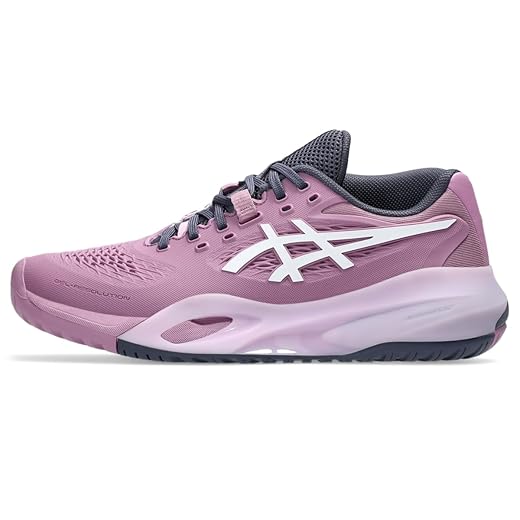
ASICS Women's Gel-Resolution X Tennis Shoes
Sportsmanship is as important as technique. Remember that it’s about having fun while being competitive. Whether you win or lose, stay positive and support fellow players. This attitude fosters a healthy environment that encourages everyone to take part and enjoy the game.
Use products like this beginner racquet and training balls, which can help cultivate your skills further. These tools are excellent for enhancing experience on the court, providing you with more opportunities to practice your abilities.
As you dive deeper into the game, remember that enjoyment and well-being come from practicing regularly. Find a local club where like-minded people gather, and you will experience the thrill of competition and camaraderie. This community aspect can keep you motivated and engaged in your journey to becoming a better player.
Reading Your Opponent’s Moves
To successfully anticipate your opponent’s next move, focus on their positioning and body language. Pay attention to how they stand and where they are looking, as this will give you strong clues about the direction they are going. For instance, if they shift their weight forward, they may be preparing to strike. Use this opportunity to block their shot effectively, positioning yourself to counterattack instead.
Developed skills in reading an opponent can transform your game. Participate in group training sessions with a coach who specializes in strategy. These academic programs often include exercises that enhance your ability to read others’ movements on the court. Practicing with enthusiasts of various skill levels helps create a familiarization with different playing styles, making it easier to predict how others might respond to your moves.
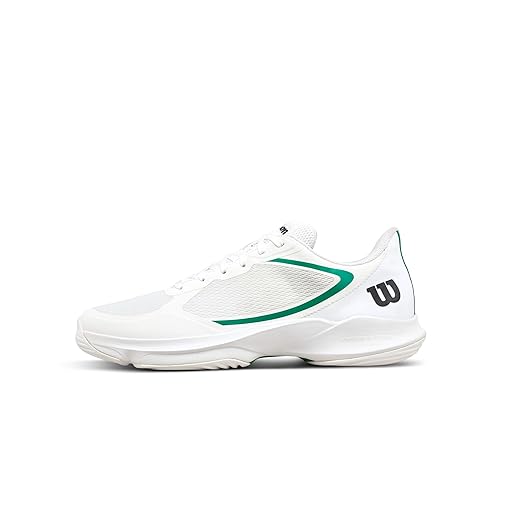
Wilson Mens Men's Hurakn Lite Padel Shoes
Instead of solely focusing on your shots, observe the nature of your competitor’s game. Are they defensive or aggressive? Understanding this can lead to a stronger position during rallies. For high-level players, transferable skills learned from other racquet sports can be beneficial. As you develop your ability to read moves, you’ll find that moving into the right position becomes more natural and instinctive.
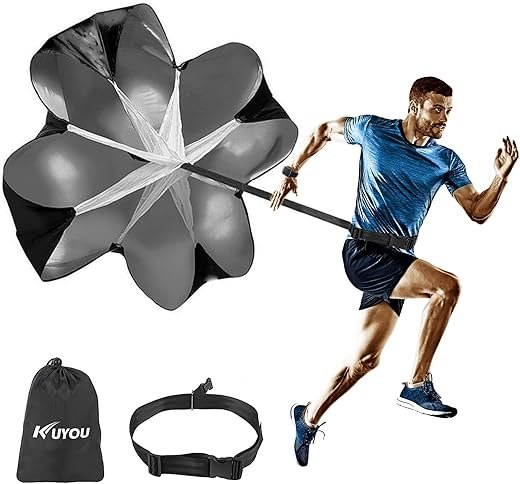
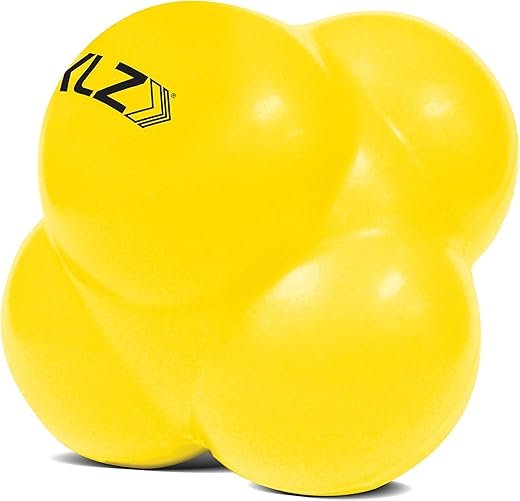
Preparation is key–take time before matches to analyze previous games, noting how opponents moved and reacted. This research can guide your strategy during play, making you a formidable player on the court. Look for training tools like reaction balls or footwork ladders on Amazon to enhance your preparation routine. Tools such as the SKLZ Reaction Ball or the Speed Chute Resistance Training are excellent choices for building agility and response skills.
The Importance of Court Positioning
Good positioning on the courts is critical for success. Understanding where to stand during rallies allows players to prepare for effective forehand and backhand shots. By positioning oneself strategically, like near the leading walls, you can respond better to your opponent’s plays and set yourself up for winning serves.
Knowledge of court positioning helps in many activities. For instance, when playing doubles, students should cooperate with their partner, maintaining a formation that covers both sides of the court. This type of teamwork not only boosts confidence but also maximizes the chances of making successful returns and winning points.
In sessions where movement and conditioning are key, being aware of your overall position on the court can alleviate anxiety. Instead of scrambling to reach shots, you’ll be prepared and ready to hit the ball effectively, allowing you to obtain better results more consistently. This advantage can make a significant difference as you transition from childhood against peers to adulthood facing more competitive opponents.
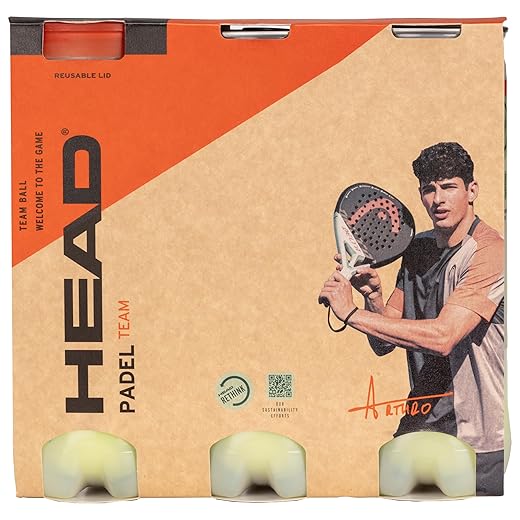
In conclusion, mastering court positioning is a premier aspect of becoming proficient in the sport. Using tools like paddles and balls available on Amazon.com can help support your training. Look for items that promote good grip and suitable weight, such as the Wilson Optix V1 Padel Racket or the Head Padel Ball, for enhanced performance in your practice sessions.
Question-answer:
What basic equipment do I need to start playing padel?
To begin playing padel, you will need a few key items. First, a padel racket is necessary; these are specifically designed for the sport with a solid frame and perforated surface. Second, ensure you have appropriate athletic shoes that provide good grip and support, preferably those designed for court sports. You should also wear comfortable sports clothing. Lastly, having a supply of padel balls, which are slightly different from regular tennis balls, will help you enjoy the game right from the start. These items will set you up for a solid foundation as you start learning the game.
How can I improve my padel skills quickly as a beginner?
Improving your padel skills quickly involves a combination of practice, understanding the game, and playing with experienced players. Start by focusing on mastering the basic strokes and court positioning. Regularly practicing your serves and volleys will enhance your gameplay. Watching instructional videos can provide additional insights into techniques and strategies. Additionally, consider taking lessons from a qualified coach to receive personalized feedback. Lastly, playing regular matches with more experienced players will challenge you to adapt quickly, enhancing your learning curve.
What are the basic rules of padel that beginners should know?
The basic rules of padel include key aspects that all beginners should understand. First, matches are typically played in doubles, with four players on the court. The scoring is similar to tennis, with points counting as 15, 30, 40, and game. Players must serve underhand and the ball must bounce once before hitting the walls. Additionally, the ball can hit the side walls after crossing the net, allowing for strategic play. Being aware of the rules concerning faults, such as double bouncing or hitting the ball out of bounds, is crucial for ensuring fair play. Familiarizing yourself with these rules will help you feel more confident when stepping onto the court.
What tips can you offer for better court positioning during a match?
Effective court positioning is important in padel to maintain control during a match. One important tip is to stay close to the “T” area of the court, which is where the boundaries of your side meet. This allows you to react quickly to your opponents’ shots. Additionally, always keep a stable stance with your knees slightly bent to be prepared for movement in any direction. Communication with your partner is essential; ensure you both understand who will take shots to minimize confusion. Finally, anticipate where the ball will go based on your opponents’ racket position and body language, adjusting your position accordingly. With practice, you’ll find yourself more strategically placed to respond and ultimately succeed in matches.



No Comment! Be the first one.