



Before diving into the specifics, it’s crucial to recognize that selecting a racket is about finding the right balance between density and weights. For optimal performance, you should consider sizes that cater to your playing style. Those who strike with power might prefer a hard surface that increases control, while players looking for a softer touch may opt for materials that minimize strain and aches during prolonged matches.
Table Of Content
- Padel Equipment Guide
- Understanding Padel Rackets: Shapes and Types
- Key Features to Look for in a Padel Racket
- Made vs. Composite Materials: What’s Best for You?
- Choosing the Right Weight and Balance for Your Game
- Importance of Grip Size: Finding Your Perfect Fit
- Question-answer
- What are the main factors to consider when choosing a padel racket?
- How does the shape of a padel racket affect gameplay?
- What materials are commonly used in padel rackets and how do they affect performance?
- How do I determine the right weight for my padel racket?
- What grip size should I choose for my padel racket?
- Match racket shape to skill: round for control, teardrop for balance, diamond for power.
- Choose weight and balance by play style: lighter for maneuverability, heavier or head-heavy for power.
- Prioritize core materials and grip size for comfort, durability, and injury prevention.

Additionally, understanding your skill level is essential. Regular players or juniors might benefit from a neutral design that offers versatility, allowing for easier adjustment as their game evolves. In contrast, seasoned players may wish to explore advanced options that enhance specific attributes of their shot, such as spin or speed. This intricate preparation ensures that every game played maximizes enjoyment and minimizes discomfort.
When you start browsing the market, look for options that suit different ages and preferences. Having diverse selections can offer varying levels of maneuverability and power, thus making a significant difference in your performance. From round designs that enable quick swings to models with unique features for specialized play, everything is geared towards elevating your experience on and off the court.
Padel Equipment Guide
Choosing the right gear can significantly impact your performance on the court. Look for a racket that balances strength and comfort to minimize aches during and after play. For those with more experience, heavier rackets can provide greater power, while lighter ones are ideal for beginners who are still developing their skills.
When selecting a brand, Wilson often stands out due to its reputation for quality. However, don’t overlook other options that might be made with advanced materials to enhance your game. The thickness of the frame plays a role too; thicker frames generally offer more stability, while thinner models are more maneuverable.
As you explore the various categories, consider the accessories you might need. A good bag, wristbands, and proper footwear are essential for carrying your equipment and ensuring a great playing experience. Remember, wearing the right shoes can minimize the risk of injury.
Buyers often face a choice between different models based on personal preferences and how advanced their style of play is. If you find yourself starving for options, focus on your playing style–do you prefer quick movements or more powerful shots? This will help dictate your decision.
Younger players or those just starting out can benefit from rackets designed for ages 8 and under, which usually offer lighter weights and smaller grips. As you progress, transitioning to heavier rackets will help build strength and improve your game.
Make sure to speak with fellow players or coaches about their experiences with different brands. Personal recommendations can provide insights that online reviews might miss. Ultimately, the right equipment should elevate your fitness level and enhance your enjoyment on the court.
Understanding Padel Rackets: Shapes and Types
When considering a new hitting tool, look closely at the shape. Round models are designed to simplify your game, suitable for those who focus on control. These often fit beginners or players who want to build their technique without added pressure. They provide a sweet spot that is forgiving, which can help reduce the risk of injury over time.
For those with more experience, teardrop-shaped options are ideal. This shape balances both power and control, making it great for intermediate and advanced levels that want to play offensively. Advanced players often lean toward these as they can help enhance their performance dramatically. Brands like Head and Bullpadel offer excellent examples, often made with durable materials to withstand regular wear.
In contrast, diamond-shaped models cater to aggressive players. They typically bring power but can be more difficult to handle, especially for those who don’t have a solid technique yet. Players who starvie for more power should keep this in mind, as it may not suit their current needs.
Focus on what will improve your game. A good racket should feel comfortable in your hands. Therefore, when you look for a new item, consider the make and how it fits your style. Tools should help you evolve your skills, not hinder them. Keep in mind that regardless of the age you start playing this sport, it takes time to adapt.
To give an idea of reliable products, check out the Bullpadel Vertex 4 or the Head Graphene 360 Alpha. Both models cater to different skill levels while delivering performance benefits that can last for years. Although they target unique playing styles, they should help you get to your desired level while avoiding shock in your arm.
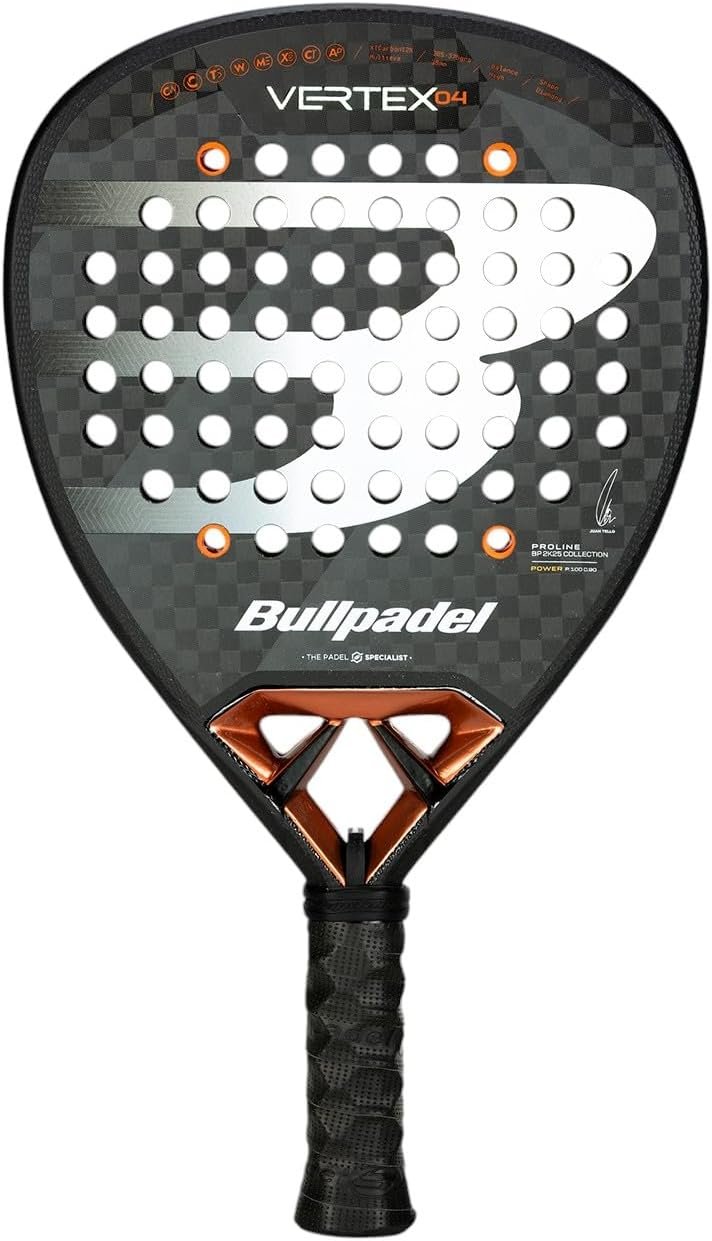
BULLPADEL Padel Racket Vertex 04 2025 Juan Tello | Professional Diamond Shape Pala Padel | Xtend Carbon 12K & MultiEva Core | Curvaktiv & Air Power Frame...

Head Graphene 360+ Alpha Pro with CB for padel
Key Features to Look for in a Padel Racket
When selecting a racket, consider the weight. Lighter options are easier to maneuver, while heavier items give more power. Start by trying rackets between 350-380 grams to spot what feels comfortable. A good balance of weight makes a significant difference in performance on the court.
Core materials are crucial as well. Rackets often feature a core made from polyethylene or EVA. Polyethylene offers a softer touch and better consistency on shots, making it a popular choice for many players. EVA, on the other hand, tends to provide a heavier feel and is known for excellent control and ball spin.
Density is another characteristic worth noting. A racket with higher density will have a stiffer frame that might wear out faster but gives better performance for aggressive play styles. For those who prefer a softer feel, look for items with lower density that will allow for a more forgiving touch.
If you’re new to the game, consider a coaching advice to invest in a balanced option that adapts to various styles of play. As your skill level increases, you might want to click into something more advanced, such as the StarVie line. They offer great durability and performance, allowing you to play with confidence against more challenging opponents.
Lastly, don’t forget about the grip. A good grip can impact your game; it should feel natural in your hands and allow for quick transitions when changing shots. Always try before you buy, as having the right grip size will enhance your overall game experience.
Here are a few items from Amazon to consider:
- StarVie Racket – Ideal for players looking for a balance of power and control.
- Bullpadel Racket – Great for beginners aiming for a softer feel.
- Adidas Racket – Known for durability and density suitable for intermediate players.
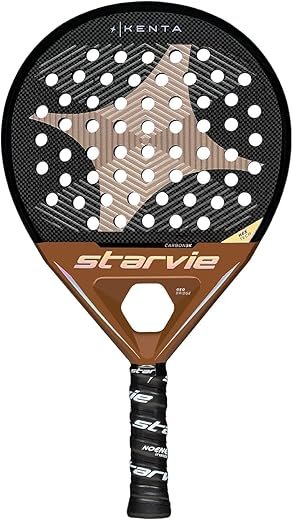
STARVIE KENTA Eternal PRO
Finding the right racket is key to improving your game. With careful selection based on these features, you’ll enhance your performance and enjoy every match.
Made vs. Composite Materials: What’s Best for You?
When selecting a racket, the choice between made and composite materials is crucial. Typically, composite options are more forgiving, great for beginners or advanced players who want a balance of power and control. Babolat, known for its quality, offers models that suit various playing styles. Check out the Babolat Air Viper 2.5, which combines durability with powerful smash capabilities.
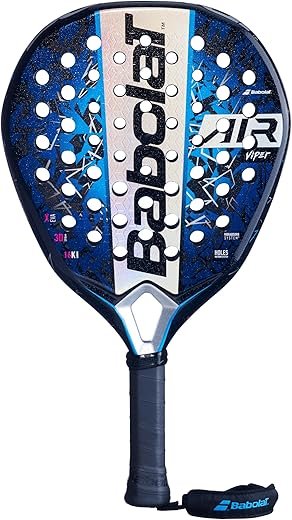
Babolat Air Viper 2.5 Padel Racket
On the other hand, made materials, like glass fiber, often provide a neutral feel. This gives buyers a solid baseline experience, making it easy to match with personal preferences. While these may feel heavier at first, those who adjust to the weight often find their performance on courts improves significantly.
For children’s rackets, typically using composite materials, the lightweight nature makes them easy to handle. The Babolat Contact Easy-to-Play Padel Racket is an excellent choice, designed to suit their needs for fun play while promoting better skills without overwhelming weight.
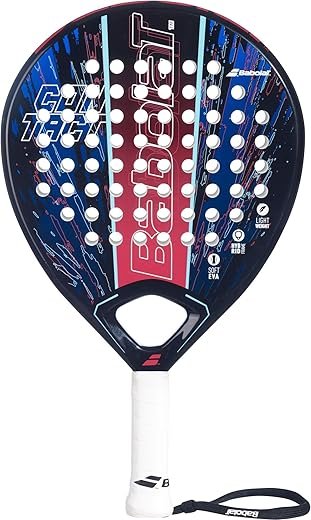
Babolat Contact Easy-to-Play Padel Racket, Blue/Navy/Red
| Material Type | Pros | Cons | Ideal For |
|---|---|---|---|
| Composite | Lightweight, powerful, forgiving | Wears over time | Beginners, advanced players |
| Made (Glass Fiber) | Neutral feel, durable | Heavier, may lack some power | Versatile use, all-round players |
Choosing the Right Weight and Balance for Your Game
When selecting a padel racket, it is crucial to consider both the weight and balance, as these factors directly influence your performance on the court. A well-balanced racket allows for better maneuverability and control, while weight contributes to the power of your shots. Beginners might prefer a lighter option, typically ranging from 345 to 370 grams, allowing for quicker adjustments and less strain on the wrist.
Players with stronger wrists, who have experience in tennis or other sports, may opt for slightly heavier rackets, between 370 and 400 grams. This can provide more stability and power, especially during aggressive plays. It’s essential to match the racket’s weight with your playing level. If you’re early in your journey, a lighter model will help you develop your skills without overwhelming you.
Balance is equally important; it comes in three main types: head-heavy, head-light, and even. Head-heavy rackets give more power and are suitable for attacking styles, while head-light options provide better control and maneuverability, which is key for defensive strategies. Even-balanced rackets combine both properties, offering versatility across different playing styles.
- Babolat Air Viper 2.5: Weighs around 340 grams, head-heavy, suitable for power players.
-
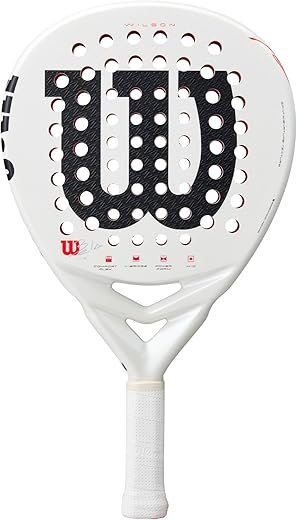
Wilson Bela LS V3: A lighter, head-light racket at about 350 grams, ideal for beginners.

Wilson Bela V3 Padel Rackets - Grip Size 2-4 1/4"
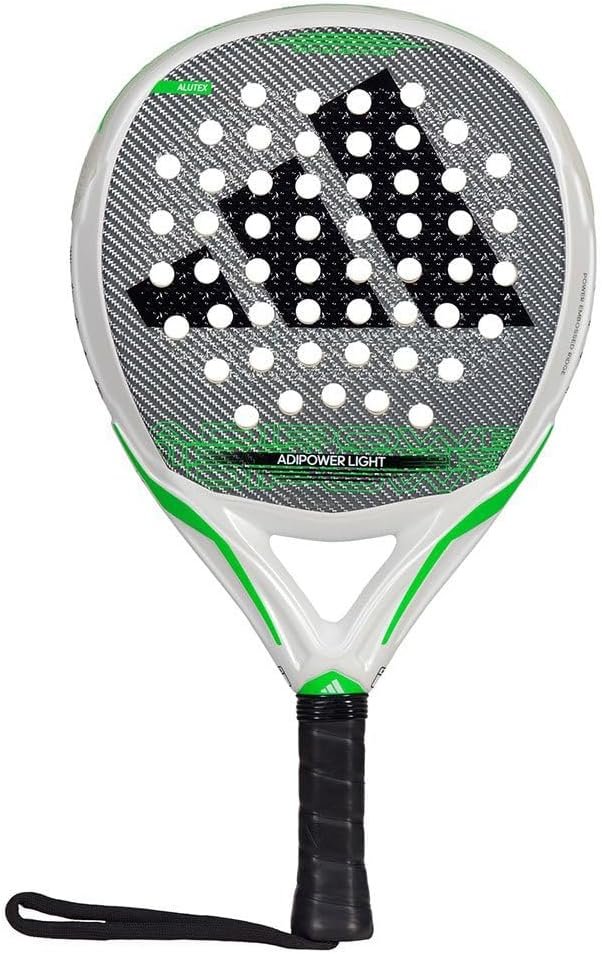
$299.00in stockAmazon.comI may earn a commission at no cost to you.- Adidas Adipower Lite: Balances power and control, weighing around 360 grams.
-
Adidas Adipower Padel Racket Paddle Series
$149.00in stockAmazon.comI may earn a commission at no cost to you.
Reading reviews and trying out different rackets on the courts can vastly improve your understanding of what works for you. Don’t hesitate to experiment with different sizes and weights until you find the right match that gives you confidence and enhances your game. Upgrading to the best suited racket for your style must be based on careful consideration rather than impulse.
Ultimately, the combination of weight and balance shapes your performance. Whether you’re smashing volleys or rallying from the baseline, ensuring your gear aligns with your playstyle can make complex things feel much more manageable on the courts.
Importance of Grip Size: Finding Your Perfect Fit
Choosing the right grip size is essential to enhance your performance and minimize the risk of injury. A grip that is too small can lead to discomfort and aches after long rallies, while a grip that is too big may affect your technique and control. A general recommendation is to measure your grip based on the thickness of your fingers. Use a ruler to check the distance from the tip of your ring finger to the second crease–this usually indicates the appropriate grip size.
There are different types of grips, such as a lightweight option or a soft variety, which can help improve your feel of the racket. A smaller grip is recommended for players with a delicate touch, while a bigger grip comes in handy for those who prefer a firmer hold. Items like the Wilson Ultra Light Grip or the Babolat Syntec Pro are examples of products you can consider based on your preference.
Finding that perfect fit can significantly enhance comfort during play and reduce unnecessary strain during crucial moments. Your grip size plays a main role in how you handle the weapon of choice. Players often overlook this fundamental aspect until they experience significant discomfort or even injuries. It’s wise to experiment with different thicknesses before settling on one.
Take time to evaluate your grip. If you find that your racket feels too heavy in your hand or if you’re struggling during overheads, it might be time to try a different size. The best grip size can transform your rallies into fluid motions rather than awkward swings. Do not hesitate to invest a bit more in a premium grip fitting your needs. Quality can vary based on price, but remember that a good fit is priceless in sports.
Whether you are developing your skills or mastering advanced techniques, understanding grip size will ensure you maximize your performance on the surface. After all, even the most genius strategies can falter if your grip doesn’t feel right. Prioritize this aspect and enjoy the game without the worries of injury or discomfort!
Question-answer:
What are the main factors to consider when choosing a padel racket?
When selecting a padel racket, beginners and advanced players alike should consider several factors. The first is the racket’s shape, which can affect power and control. The material used in the frame influences durability and feel. The weight of the racket is also significant; lighter rackets offer more maneuverability while heavier ones provide stability. Additionally, the balance point of the racket can impact how it plays, whether it’s head-heavy for power or head-light for control. Lastly, string tension and the size of the grip are also important for comfort and performance.
How does the shape of a padel racket affect gameplay?
The shape of a padel racket largely influences how it performs on the court. There are typically three main shapes: round, teardrop, and diamond. Round rackets generally provide a larger sweet spot and are easier to control, making them a great choice for beginners. Teardrop rackets balance power and control, offering a good option for intermediates. Diamond-shaped rackets tend to focus on power with a smaller sweet spot, appealing more to advanced players. Understanding these differences can help players select a racket that complements their style and skill level.
What materials are commonly used in padel rackets and how do they affect performance?
Padel rackets are typically constructed from a combination of materials like carbon fiber, fiberglass, and foam. Carbon fiber rackets are lightweight and provide excellent stiffness and durability, offering superior performance and control. Fiberglass rackets, on the other hand, are generally more affordable and provide a softer feel, which can be more forgiving on impact. The core material, often made of EVA or foam, contributes to the racket’s comfort and response. Players should consider these materials in relation to their playing style and preferences to find the right match.
How do I determine the right weight for my padel racket?
The right weight for a padel racket depends largely on your strength, playing style, and experience. Rackets typically weigh between 300 to 400 grams. For beginners, a lighter racket (around 300-320 grams) is often recommended for better maneuverability and less strain on the arm. Intermediate players might opt for a mid-weight racket (320-360 grams) to balance power and control. Advanced players may prefer heavier rackets (360-400 grams) for added stability and power. Testing different weights is a good approach to determine which feels best in your hands.
What grip size should I choose for my padel racket?
Selecting the correct grip size is crucial for comfort and performance. Grip sizes typically range from 1 to 5, with smaller numbers indicating smaller grips. To find the right size, hold the racket in your dominant hand; you should be able to fit your index finger comfortably between your fingers and palm. If it’s too tight or too loose, it may impact your control and cause discomfort during prolonged play. It’s often beneficial to try out a few different sizes to see which is most comfortable for your playing style and grip technique.



Choosing the right padel racket can definitely enhance your performance on the court. It’s important to consider your playing style and skill level when making a selection. Additionally, seeking advice from fellow players or coaches can provide valuable insights.
Great advice on choosing the right weight and grip size for a padel racket. It’s important to consider your strength and playing style when making these decisions. Testing different options is definitely key to finding the perfect fit.
This article provides valuable information on the importance of grip size in enhancing performance on the court. It’s essential to find the perfect fit for comfort and control during play.
I found these tips on selecting a padel racket to be very helpful and informative. It’s great to know the importance of weight, core materials, density, grip, and balance when choosing the right racket for your game. These key features can really make a difference in my performance on the court.
This article provides a helpful guide on choosing the right weight and grip size for a padel racket. It’s important to consider these factors for better performance on the court.
Great tips for selecting the right padel racket! Weight, balance, and materials are all crucial considerations. Don’t overlook the importance of these factors when choosing your racket.
This article provides a comprehensive guide to choosing the right padel racket based on skill level and playing style. It’s important to consider these factors when selecting equipment to maximize performance on the court.
Great advice on choosing the right weight and grip size for a padel racket. Definitely something to consider for improving my game.