



Table Of Content
- How to Choose Between Power and Control Padel Rackets: Simple Buyer’s Guide
- Match the Racket Type to Your Game and Budget in 10 Minutes
- Identify your play style: aggressive finisher vs steady builder
- Choose the right head shape: diamond vs round vs teardrop
- Pick the sweet spot you can actually hit under pressure
- Select weight and balance for your strength and wrist comfort
- Compare core and face materials: EVA variants, fiberglass, carbon (2025–2026)
- FAQ
- Match head shape to your game: round for forgiveness, teardrop for all-court balance, diamond for aggressive finishers.
- Pick weight and balance for comfort: 350–365 g and head-light for maneuverability; 365–380 g and mid/high balance for more punch.
- Choose core and face materials by feel: soft EVA + fiberglass for forgiveness; medium/hard EVA + 12K–18K carbon for precision and spin.
- Prioritize a usable sweetspot under pressure: medium weight and teardrop/round shapes keep contact cleaner and reduce errors in fast exchanges.
If you’re unsure, start with a teardrop shape in a 360–375 g range and a medium balance: it delivers usable pace without sacrificing precision, keeps stability on blocked volleys, and gives a forgiving sweetspot for inconsistent contact. This baseline also preserves maneuverability at the net while still supporting heavy spin on bandejas and viboras.

HEAD Extreme Padel Racket Paddle Series (Elite, Motion, One, Pro) | Paddle, Series
For maximum punch off the bounce, move toward a diamond shape with higher balance (head‑heavy) and a harder face; expect tighter timing demands because the sweetspot is smaller and the frame can feel less agile in quick exchanges. Amazon-available 2025–2026 examples that fit this profile include Adidas Metalbone 3.4 (2025), Head Extreme Pro (2025), and Nox AT10 Luxury Genius Attack (2026); these reward clean technique with higher ball speed, but you’ll want extra forearm endurance to manage swing weight and maintain precision late in matches.
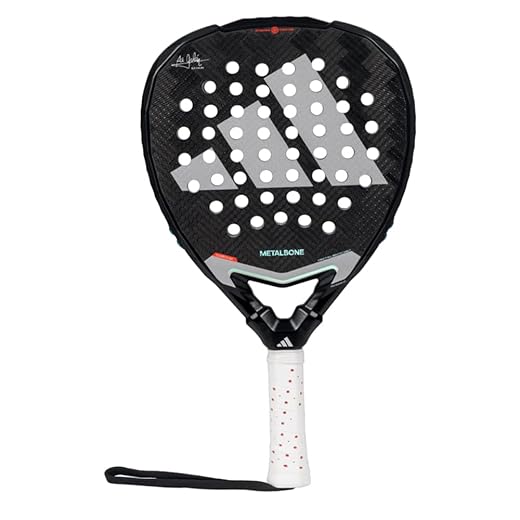
Adidas Metalbone 3.4 "ALE GALAN" Padel Racket 2025

Padel Racket AT10 Genius Attack 12K by Agustin Tapia 2025 | Luxury Series Diamond Pala Padel | Exclusive Spin Technology & NOX Custom Grip | 12K Carbon with...
For placement-first play, prioritize round shape, lower balance (head‑light), and a softer touch to widen the sweetspot and boost stability on resets, lobs, and defensive digs. Look at 2025–2026 options commonly listed on Amazon such as Bullpadel Vertex Control (2025), Nox ML10 Luxury Pro Cup (2025/2026), or Head Gravity Pro (2025): they keep maneuverability high, make spin easier to shape at moderate swing speed, and reduce errors when contact happens slightly off-center.
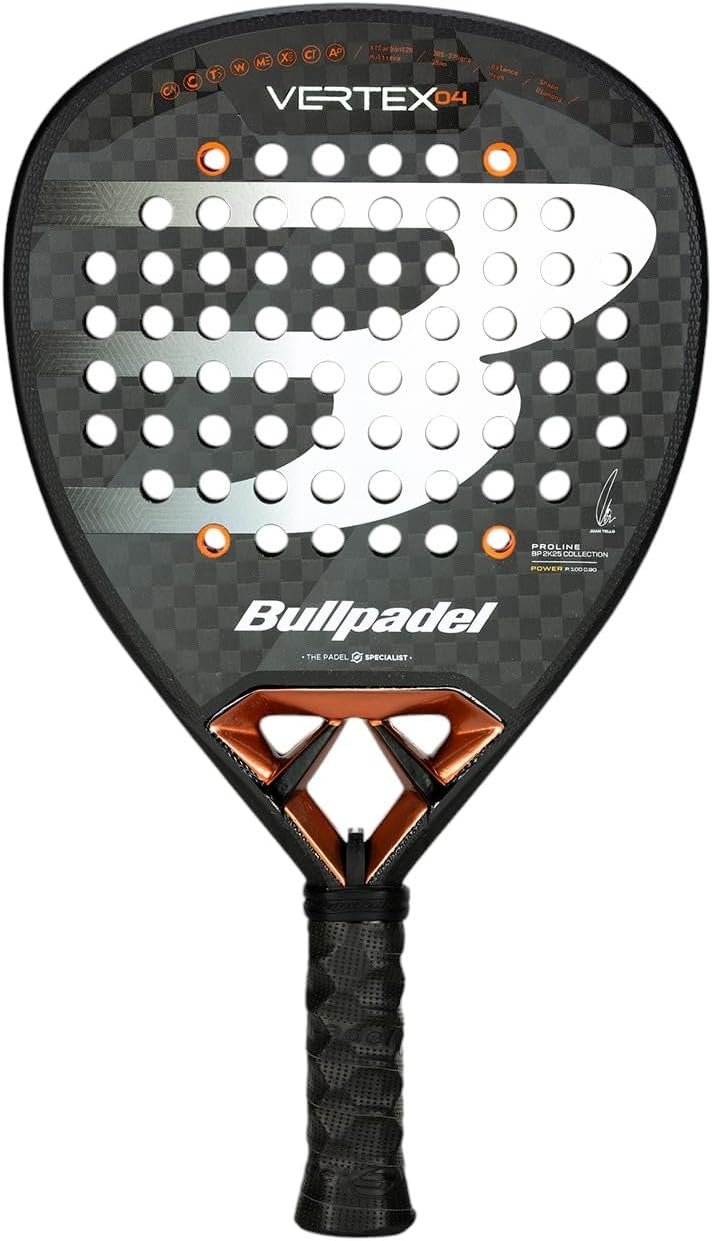
BULLPADEL Padel Racket Vertex 04 2025 Juan Tello | Professional Diamond Shape Pala Padel | Xtend Carbon 12K & MultiEva Core | Curvaktiv & Air Power Frame...
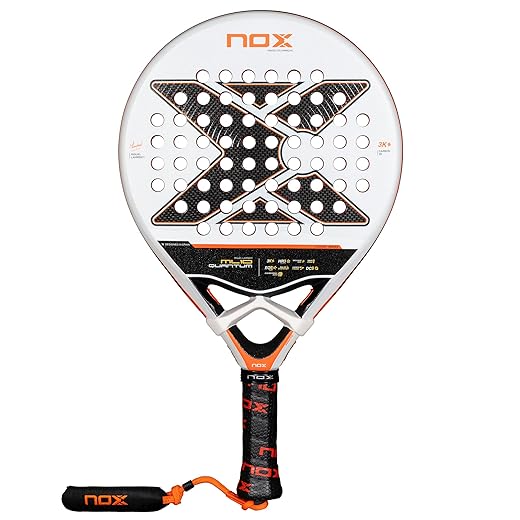
Padel Racket ML10 Quantum 3K by Miguel Lamperti 2025 | Luxury Series Round Pala Padel | Photochromic Paint & Smartstrap Technology | 3K Carbon with HR3 Color...
Quick self-check to finalize the spec: if you lose rallies on fast volley exchanges, drop 10–20 g or shift to a lower balance; if your overheads lack depth, move 5–10 mm higher in balance or pick a firmer face; if mishits dominate, favor a round/teardrop shape with a larger sweetspot. This way, balance, weight, and shape map directly to the mix of precision, stability, maneuverability, and spin you actually need.
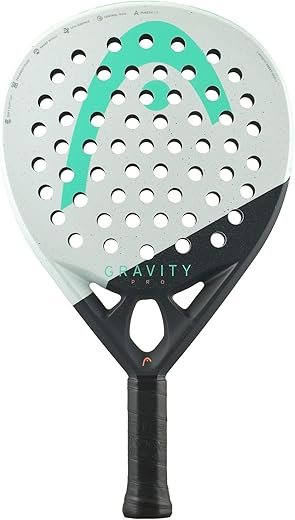
HEAD Gravity Padel Racket Paddle Series (Pro, Motion, Elite)
How to Choose Between Power and Control Padel Rackets: Simple Buyer’s Guide
Pick a teardrop shape with medium balance if you want an all-round feel: it gives a forgiving sweetspot, solid stability on volleys, and enough pop to finish points without sacrificing precision. For most intermediate players in 2025–2026, target 355–370 g and a medium EVA core; this combo keeps maneuverability high in fast exchanges while still helping you generate spin on bandejas and viboras.
Go for a diamond shape and head-heavy balance only if your technique is consistent: you’ll get heavier smashes, but the sweetspot is smaller, so mishits drop your precision. Specs that usually work: 365–380 g, hard EVA, and a face with 12K/18K carbon materials for a crisp response. If your elbow or shoulder is sensitive, avoid very hard setups and consider vibration-damping bridges or softer cores to keep stability without harsh impact.
If quick defense, blocks, and placement matter more, pick a round shape with low-to-even balance. It boosts maneuverability, keeps the racket steady on reaction volleys, and enlarges the sweetspot–ideal for consistent precision under pressure. Look for faces using 3K carbon or carbon-fiberglass blends; these materials feel softer and help you “hold” the ball a fraction longer, making it easier to add spin on lobs and angled shots.
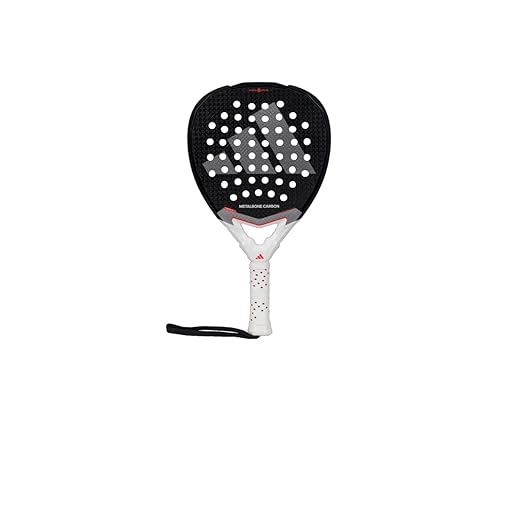
Adidas Metalbone Carbon 3.4 Padel Racket 2025

Wilson Bela Padel Rackets
Concrete 2025–2026 Amazon picks to compare (search these exact model names): Nox AT10 Genius 18K Alum 2025 (balanced feel, strong spin and wide sweetspot), Adidas Metalbone Carbon 3.4 (2025) (more aggressive balance, firm materials, high output), Bullpadel Hack 04 (2025) (crisp hit, high stability), HEAD Speed Pro 2025 (fast handling, reliable precision), Wilson Bela Pro V2.5 (2025) (solid frame, strong response).

HEAD Speed Padel Racket Paddle Series (Pro, Pro X, Motion, Elite, ONE, ONE X, Team)
If you can’t demo, use two quick filters: round + 3K/FG blend for comfort and placement; diamond + 12K/18K + hard EVA for maximum finishing.
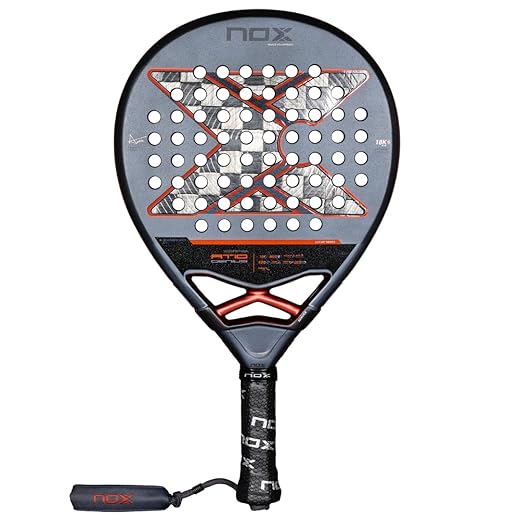
Padel Racket AT10 Genius 18K Alum by Agustin Tapia 2025 | Luxury Teardrop Pala Padel | Enhanced EOS Flap & NOX Custom Grip Technology Dual Texture Spin...
Match the Racket Type to Your Game and Budget in 10 Minutes
Start with a simple rule: if you miss often under pressure, pick a round shape with a wide sweetspot; if you hit cleanly and want faster winners, go for a diamond or teardrop shape with a higher balance.
- Minute 1–2: Set your skill + goal
- Beginner / casual doubles: round shape, medium balance, forgiving sweetspot, high stability.
- Intermediate all-court: teardrop shape, medium-high balance, extra precision on volleys, easy spin on lobs.
- Aggressive finisher: diamond shape, head-heavy feel, higher ball speed; expect smaller sweetspot and stricter timing.
- Minute 3–4: Lock the weight range (fast win for comfort)
- Women / elbow-sensitive / quick net play: 345–360 g for maneuverability, less fatigue in long sets.
- Most players: 360–375 g for stability plus solid feel in defense.
- Strong arms / smash-focused: 375–385 g; more punch but slower reactions at the net.
- Minute 5–6: Pick materials that match your budget
- Budget (under ~$90): fiberglass face + EVA Soft core; bigger sweetspot, easier depth, less precision on fast volleys.
- Mid-range (~$90–$180): carbon face (3K/12K) + EVA Medium; better stability, cleaner precision, more consistent spin.
- Premium (~$180+): higher-grade carbon + anti-vibration build; sharp response, reliable touch, often better durability.
- Minute 7–8: Check what matters on court
- Precision: look for a firmer core or carbon face; helps on bandeja, vibora, and low volleys.
- Spin: prioritize rough/sandy 3D surface and a slightly higher balance; easier kick on topspin and slice.
- Stability: thicker frame (often 38 mm) + reinforced bridge reduces twisting on off-center hits.
- Maneuverability: lower balance + moderate weight makes quick blocks and reaction volleys simpler.
- Minute 9–10: Match a 2025–2026 Amazon model to your profile
- Forgiving round option: HEAD Speed Motion 2025 – great maneuverability, generous sweetspot, strong stability for defense-to-net transitions.
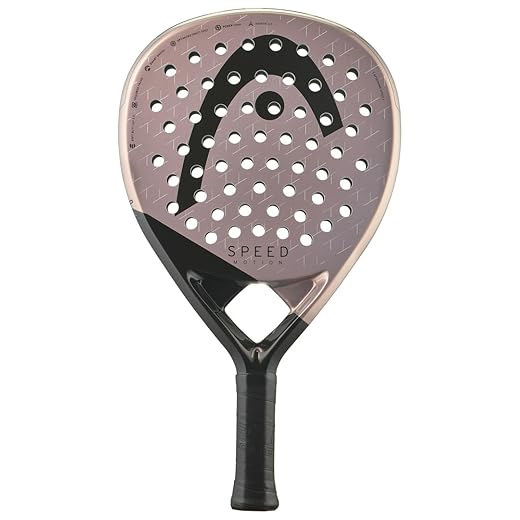
HEAD Speed Padel Racket Paddle Series (Pro, Pro X, Motion, Elite, ONE, ONE X, Team)
-
- All-court teardrop: Nox AT10 Genius 18K Alum 2025 – high precision with accessible spin; balanced shape for mixed tactics.
- Smash-oriented diamond: Adidas Metalbone 3.3 (2025) – aggressive shape with strong spin potential; demands cleaner contact.
- Arm-friendly premium feel: Bullpadel Hack 04 Hybrid (2025/2026) – hybrid shape for stability and precision, solid for fast exchanges.

BULLPADEL Padel Racket HACK 04 2025 Paquito Navarro | Professional Diamond Shape Pala Padel | TriCarbon 3D & MultiEva Core | Total Channel Aerodynamics &...
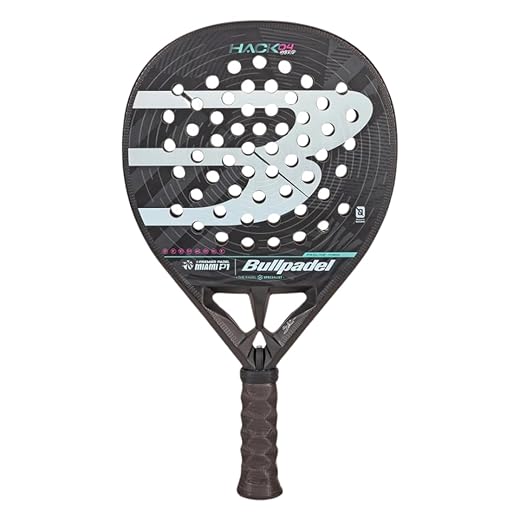
BULLPADEL Padel Racket HACK 04 Hybrid 2025 Miami Paquito Navarro | Limited Edition Diamond Shape | TRICARBON 3D & MULTIEVA Core | Channel Technology & Triple...
Final quick match: round shape + soft materials for a big sweetspot; teardrop shape + carbon face for precision and spin; diamond shape + higher balance for finishers who accept lower maneuverability.
Identify your play style: aggressive finisher vs steady builder
If you end points fast with overheads and hard volleys, pick a head-heavy, diamond/teardrop frame with a higher weight (around 365–375 g) and a firmer core to keep stability on impact; this setup rewards fast swings with heavier ball speed and easier spin on vibora/bandeja. For 2025–2026 Amazon options, look at NOX AT10 Genius 18K Alum (2025) for crisp response and reliable sweetspot size, or HEAD Coello Pro (2025) if you want extra mass in the head for finishing from mid-court. Prioritize frames with carbon face layers (12K–18K or aluminized variants) and reinforced bridge materials–they hold shape better during explosive contact.
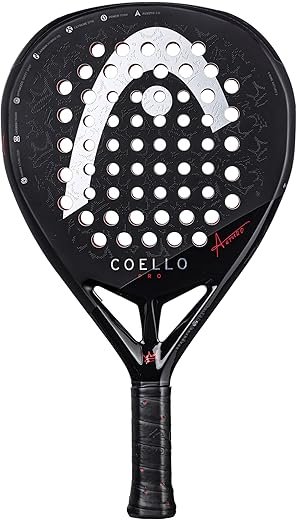
HEAD Coello Padel Racket Paddle Series (Motion, Pro, Team)
If you build points, defend, and win with placement, go for a round or hybrid shape with a bigger sweetspot, medium weight (355–365 g), and a more even balance. This combination gives cleaner precision on lobs, blocks, and soft volleys, plus quicker maneuverability when you’re scrambling at the back glass. On Amazon (2025–2026 lines), consider Bullpadel Vertex 04 Comfort (2025) for forgiving contact and calm stability, or Wilson Bela LS V3 (2025) if you want easier handling without losing directional precision. Softer EVA blends and fiberglass/carbon mixes are useful materials here because they reduce shock and keep touch consistent on slow balls.

BULLPADEL Padel Racket Vertex 04 Comfort 2025 | Professional Diamond Shape Pala Padel | Curvaktiv & Air Power Technology | Fibrix Hybrid Fiber & MultiEva...

Wilson Bela V3 Padel Rackets - Grip Size 2-4 1/4"
Quick self-test: if your winners mostly come from flat hits and smashes, you’ll benefit from a tighter feel and slightly higher weight; if your winners come from forcing errors with depth, angles, and repeated resets, prioritize a larger sweetspot, neutral balance, and top-tier maneuverability. For spin, don’t rely only on surface texture–stable frames with good torsion resistance keep the face from twisting, which improves precision on heavy topspin and slice.
Choose the right head shape: diamond vs round vs teardrop
If you win points with overheads and fast finishing shots, pick a diamond head shape with a slightly higher balance: it concentrates mass toward the top, increasing leverage and heavier ball impact, but it reduces maneuverability and demands cleaner timing for precision. Look for a medium weight range (about 360–375 g) so you can still accelerate the face for spin. 2025–2026 Amazon models worth filtering for include adidas Metalbone Carbon 3.4 (2025) and Bullpadel Hack 04 (2026); both typically use 12K–18K carbon materials and textured faces to help you grip the ball when you swing fast, but expect a smaller sweetspot than other profiles.
If your priority is easy defense, stable blocks, and consistent placement, go round: the wider top area raises forgiveness and enlarges the sweetspot, giving better precision on off-center contacts. A low-to-even balance plus slightly lower weight (350–365 g) improves maneuverability for quick reactions at the net. In Amazon 2025–2026 listings, check HEAD Gravity Motion (2025) for a lighter spec and soft feel, or Nox ML10 Luxury Bahia 12K (2025) for a round frame with quality carbon materials and reliable output when your timing isn’t perfect. Round heads also make it simpler to produce controlled topspin lobs because the contact zone stays consistent.
BULLPADEL Padel Racket Vertex 04 Comfort 2025 | Professional Diamond Shape Pala Padel | Curvaktiv & Air Power Technology | Fibrix Hybrid Fiber & MultiEva...
For the best all-court compromise, teardrop is the safest pick: it blends a generous sweetspot with more punch than a round outline, while keeping balance near the middle for solid maneuverability. Teardrop frames often feel “automatic” for spin–fast enough through the air, stable enough on volleys. Amazon 2025–2026 options to compare include Wilson Bela Pro V3 (2025) for a firmer response (good if you hit hard) and Babolat Air Veron 2.5 (2025) if you want quicker handling with a lighter weight and flexible composite materials.

Wilson Bela V3 Padel Rackets - Grip Size 2-4 1/4"

Babolat Air Veron 2.5 Padel Racket
Pick the sweet spot you can actually hit under pressure
Prioritize a racket with a larger sweetspot and medium weight (about 355–370 g) so your contact stays clean when your feet are late. For most intermediate-to-advanced players, a teardrop shape with an even-to-slightly head-heavy balance gives you forgiving depth without sacrificing quick reactions at the net. If your volleys feel slow, drop 5–10 g or move to a more even balance to boost maneuverability under pressure.
Look at the materials label like a checklist: 12K–18K carbon face for crisp response, plus a medium EVA core to keep the sweetspot usable on off-center hits. A reinforced frame (carbon or basalt layers) improves stability on blocks and returns; you’ll notice less twisting when you catch the ball near the edge. In 2025–2026 Amazon lineups, popular examples that match this “hit-it-when-it-matters” profile are Bullpadel Hack 04 (2025) for firm stability, NOX AT10 Genius 18K (2025/2026 editions) for a wide sweetspot with controlled touch, and Adidas Metalbone 3.3 (2025) if you want adjustable feel while keeping solid stability.
Match the hitting zone to your real match tempo: round shape = highest sweetspot and easiest defense; teardrop = sweetspot plus extra length on lobs; diamond = smaller sweetspot that punishes late timing. If you often play under fast exchanges, avoid overly head-heavy balance because it reduces maneuverability, even if it adds punch. A practical test: if you can’t perform 20 quick volley-to-volley contacts without wrist fatigue, your weight/balance combo is too demanding for pressure points.
For reliable spin, prioritize surface texture (3D rough or sandy finish) over “marketing holes.” Rough faces grip the ball better at medium swing speed, which is exactly when nerves shorten your motion. Amazon 2025–2026 models often highlight textured finishes; check product photos and descriptions for “rough surface,” “3D,” or “sand” wording.
Final setup tip: when in doubt, pick the model that keeps your sweetspot usable in defense. A slightly softer core with stable frame materials lets you absorb pace, reset rallies, and still generate spin on slower swings–exactly what you need when the score is tight.
Select weight and balance for your strength and wrist comfort
Start with 350–365 g if your wrist gets tired fast; go to 365–380 g only if your forearm strength is solid and you want more punch without losing too much maneuverability.
Use balance as your main comfort lever:
- Low balance (head-light): fastest handling, lowest wrist load, best for quick volleys and defense; typically feels “lighter” than its real weight.
- Mid balance: safest all-round option for most players; keeps stability on blocks while staying agile at the net.
- High balance (head-heavy): adds ball speed but increases torque on the wrist and elbow; use it only if your technique is clean and you’re not injury-prone.
Match shape to your consistency and contact point:
- Round: larger sweetspot, forgiving on off-center hits, usually easier on the wrist.
- Teardrop: balanced mix of forgiveness and speed; great if you alternate defense and attacking.
- Diamond: highest demand on timing, smaller sweetspot, often paired with higher balance–avoid if you feel wrist pain.
For 2025–2026 Amazon models, look for frames labeled 3K/12K carbon plus shock-damping cores. Examples to search: Nox AT10 Luxury Genius 18K Alum (2025) for a controlled mid balance, HEAD Extreme Motion (2025) for lighter handling, or Adidas Metalbone Carbon (2025) if you can handle a more head-biased setup. Prioritize materials that reduce vibration (EVA Soft / hybrid EVA, anti-vibration systems) to keep the wrist comfortable over long sessions.

HEAD Extreme Padel Racket Paddle Series (Elite, Motion, One, Pro) | Paddle, Series
Use these quick spec targets for SEO-friendly product filtering in 2025:
- Wrist comfort / fast defense: 350–360 g, low-to-mid balance, round or teardrop shape, soft EVA, high maneuverability.
- All-court: 360–370 g, mid balance, teardrop, carbon face (3K–12K), good stability on volleys.
- Aggressive finishing: 370–380 g, mid-high balance, diamond or teardrop, stiffer carbon; add an overgrip to reduce slip and wrist strain.
If you want more spin without moving to a heavier head, pick a face with rough texture (3D/“sand” finish). Rough surfaces increase bite on the ball while keeping your weight and balance in a safer range.
Final check before buying: if two options feel similar, pick the one with lower balance and a slightly larger sweetspot; your wrist will thank you after match-length rallies.
Compare core and face materials: EVA variants, fiberglass, carbon (2025–2026)
Pick a Soft EVA core with a fiberglass face if you want the biggest sweetspot and easy depth with less effort; go for Medium/Hard EVA plus a carbon face if you prioritize precision, higher stability on fast exchanges, and heavier spin. In 2025–2026 releases on Amazon, this material pairing matters more than marketing labels because it directly changes feel, ball exit, and balance in hand.
EVA core (Soft / Medium / Hard): Soft EVA dampens impact and widens the sweetspot, which helps when timing is late or the ball is low. It often feels lighter in motion even if the weight is similar, improving maneuverability at the net. Medium EVA is the “all-round” option: better stability than Soft while keeping comfort. Hard EVA (or “High Density EVA”) boosts precision and bite on volleys, but the sweetspot feels smaller–best when your contact is consistent and you like a crisp response.
Face material (Fiberglass vs Carbon): Fiberglass faces flex more, so you get a forgiving launch and smoother touch; ideal if you want effortless length and a friendlier sweetspot. Carbon faces (3K/12K/18K/24K) are stiffer: they lock the face angle better for precision and add stability on blocks, but they can punish off-center hits. In 2025–2026 models, “12K–18K” carbon often hits the best compromise: clean response without becoming overly harsh. For spin, rough finishes (3D, sandy, “spin texture”) on carbon typically grab the ball more reliably than smooth fiberglass, especially in humid conditions.
| Material combo | Best for | What you’ll feel | Keywords impact |
|---|---|---|---|
| Soft EVA + Fiberglass | Beginners, comfort play | Trampoline-like, very forgiving | Big sweetspot, easy balance, high maneuverability |
| Medium EVA + Fiberglass/Hybrid | Daily play, mixed styles | Smooth, slightly firm | Stable, predictable, moderate spin |
| Medium/Hard EVA + 3K–12K Carbon | Fast net play, precision | Crisp, clean rebound | High stability, high precision, smaller sweetspot |
| Hard EVA + 12K–18K Carbon (textured) | Aggressive, advanced hitters | Very direct, minimal flex | Maximum precision & spin, weight-sensitive balance |
Concrete 2025–2026 Amazon examples to look for: Wilson Bela v3 / v3 Pro lines often pair firmer EVA with carbon for stability and precision; HEAD Extreme/Speed series commonly offer carbon faces with textured finishes that help spin while keeping a predictable shape; Babolat Technical/Counter families frequently use carbon faces and tuned EVA densities, so you can match balance and weight to your preference (more head-light for maneuverability, more head-heavy for punch).
Fast picks by playing feel: if you want maximum forgiveness, prioritize Soft EVA + fiberglass, rounder shape, and a larger sweetspot; if you want crisp precision and higher spin, prioritize Medium/Hard EVA + carbon (12K–18K) with a rough face. Then fine-tune balance: head-light improves maneuverability, while head-heavy boosts punch but can reduce quick reactions.
FAQ
1. Should I choose power or control if I’m an intermediate player?
If you play mixed styles and switch between defense and attack, start with a teardrop shape and medium balance. It gives you a forgiving sweetspot, good stability on volleys, and enough power to finish points without losing precision.
2. Is a diamond-shaped racket always better for smashes?
Not always. Diamond shapes increase power and ball speed, but they have a smaller sweetspot and require cleaner timing. They’re best for players with consistent technique who rely heavily on overhead winners.
3. How do I know if my racket is too heavy or too head-heavy?
If your wrist or forearm gets tired quickly, your volleys feel slow, or quick exchanges are hard to control, your racket is likely too heavy or too head-heavy. Try dropping 10–20 g or moving to a lower balance point.
4. What’s better for spin: shape, balance, or surface texture?
All three matter, but surface texture is the fastest way to increase spin. A rough or 3D face helps grip the ball even at medium swing speeds, while balance and shape control how easily you accelerate the racket.
5. Should beginners focus more on comfort or performance specs?
Comfort first. A softer EVA core, larger sweetspot (round or teardrop shape), and medium weight will help you build consistency and confidence. Power and harder materials can come later when your timing improves.



No Comment! Be the first one.