


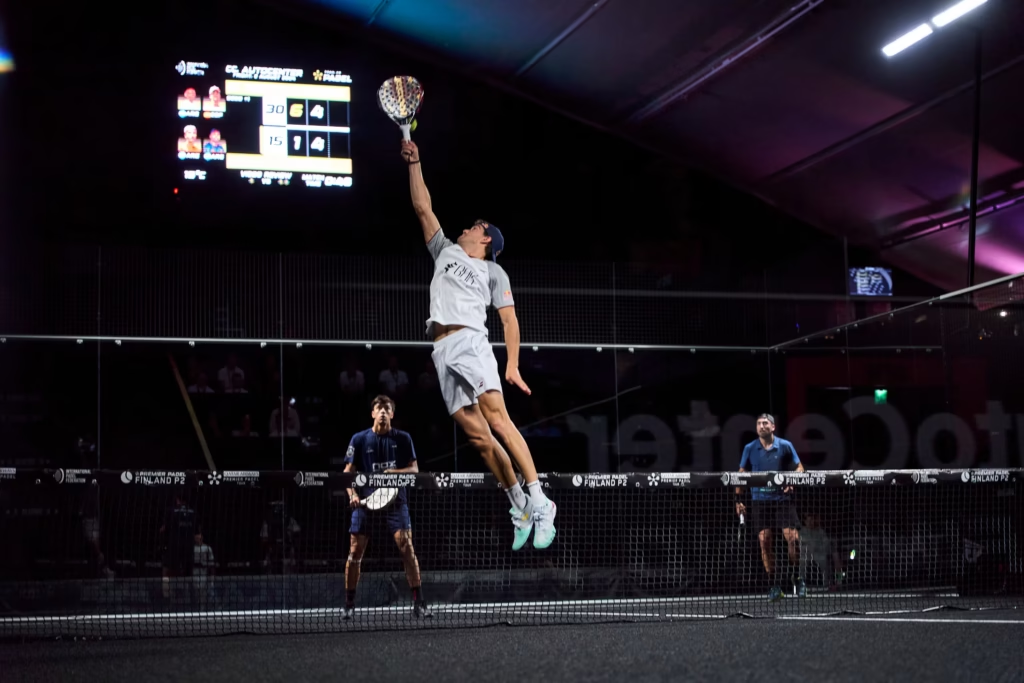

For most back-court players, the fastest upgrade comes from a racket that keeps the sweet spot high and wide for forgiveness on rushed contacts, while staying light enough for quick handling at the wall. On Amazon, prioritize 360–375 g, a round/hybrid head, and a low-to-mid balance (about 255–265 mm): these specs consistently improve placement on lobs and chiquitas, without sacrificing maneuverability in hand battles.
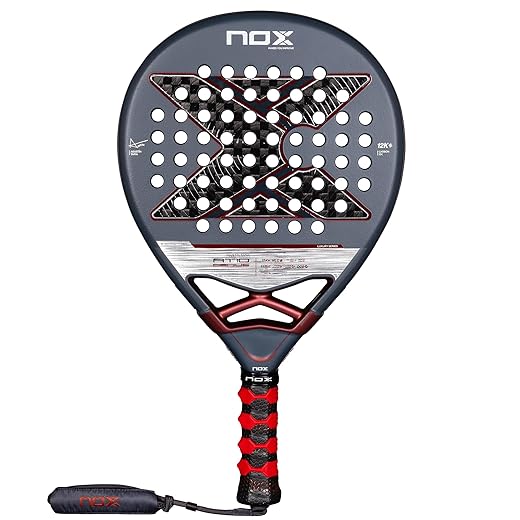
Padel Racket AT10 Genius 12K by Agustin Tapia 2025 | Luxury Series Teardrop Pala Padel | EOS Flap Aerodynamics & Custom Grip Technology | Carbon with MLD...
If you want measurable precision under pressure, look for medium EVA (or “multi-density” cores) paired with 12K–18K carbon faces: they stabilize the face angle on blocked volleys and compact backswings, boosting stability when you’re late. Among 2025–2026 options available on Amazon, strong starting points are Head Speed Motion 2025 (very fast through the air, excellent comfort), Head Speed Pro 2025 (more mass and stability for heavy balls), and Nox AT10 Luxury Genius 12K 2025 (reliable placement and easy depth control for counterpunching).
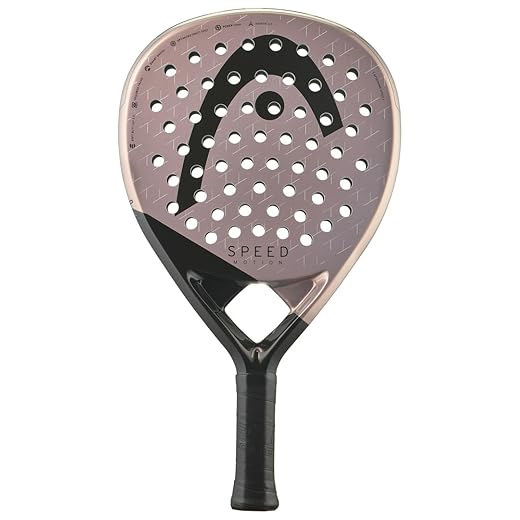
HEAD Speed Padel Racket Paddle Series (Pro, Pro X, Motion, Elite, ONE, ONE X, Team)
Trade-offs are real: the same softer, round-oriented builds that raise comfort and forgiveness can reduce put-away speed on short balls unless you accelerate well, while higher stability setups (thicker carbon, more weight) may slow reaction time in fast exchanges. For players who defend first but want a sharper counterattack, a hybrid like Bullpadel Vertex 04 Hybrid 2025 often bridges the gap–keeping maneuverability for resets while improving precision on attacking volleys.
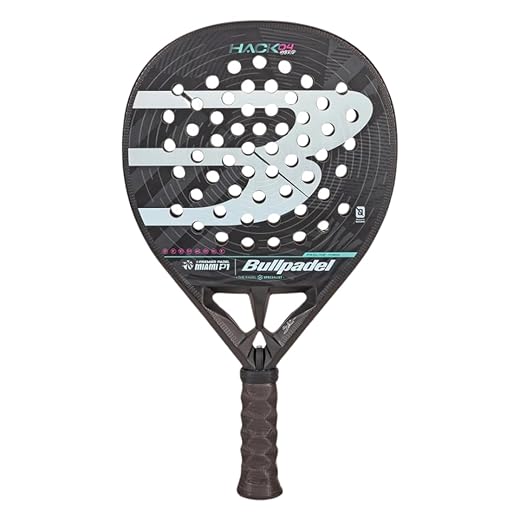
BULLPADEL Padel Racket HACK 04 Hybrid 2025 Miami Paquito Navarro | Limited Edition Diamond Shape | TRICARBON 3D & MULTIEVA Core | Channel Technology & Triple...
Do Control Rackets Help with Defense in Padel? Benefits, Drawbacks & Best 2025–2026 Picks
Yes: if you spend a lot of time under pressure at the back glass, choose a round or teardrop, low-to-mid balance paddle (360–370 g) and a softer EVA. You’ll get faster reaction, cleaner placement on lobs and blocks, and more forgiveness on off-center contacts–especially on fast bandejas and low volleys when you’re stretched.
Why this shape/balance works under pressure: a round head and centered sweet spot improve precision on defensive shots (chiquita, lob, soft block), while high maneuverability makes handling easier in tight exchanges at the net after you recover position. Softer cores add comfort for frequent glass rebounds and reduce vibration when you’re absorbing pace.
Trade-offs to know before buying: you may lose some free power on overhead winners and long-distance smashes, and a very soft core can feel “trampoline-like” if you hit flat at high speed. To keep a reliable counterattack, look for a 3K/12K carbon face (not pure fiberglass) and medium EVA, so you can redirect pace without the ball sailing long.
2025–2026 Amazon-ready recommendations (search these exact model names): prioritize round/teardrop all-round lines, medium EVA, and rough surface for spin on lobs and controlled viboras. The options below are widely distributed and typically easy to find on Amazon US/EU in the latest seasons.
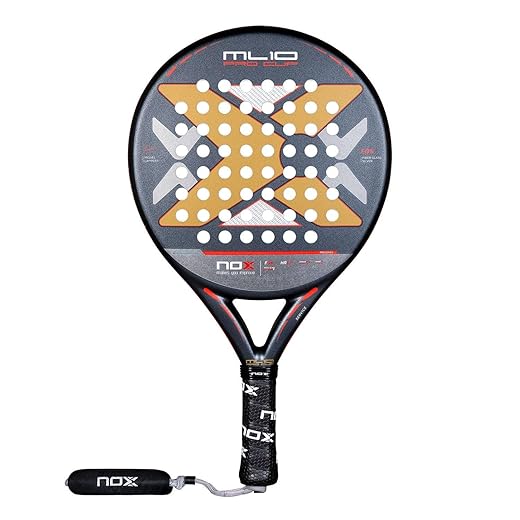
Padel Racket ML10 Pro Cup Rough Surface Edition by Miguel Lamperti 2025 | High-Performance Pala Padel | Carbon Frame & HR3 Core | Rough Sand Finish for...
| 2025–2026 model (Amazon search name) | Who it suits | What to look for (spec cues) | Why it’s strong under pressure |
|---|---|---|---|
| Bullpadel Vertex 04 (2025) | Intermediate → advanced defenders who like stable blocking | Round format, medium balance, textured face | High precision on blocks and lobs; solid handling in quick exchanges; reliable counterattack when redirecting pace |
| HEAD Speed Motion (2025) | Players wanting fast maneuverability and comfort | Lighter build, teardrop shape, medium EVA | Quick reaction on jammed volleys; easy placement to corners; forgiving on late contacts |
| NOX ML10 Pro Cup (2025) | All-level players prioritizing comfort and consistency | Round head, large sweet spot, medium feel | Excellent forgiveness on glass rebounds; steady lob precision; smooth handling in long rallies |
| adidas Metalbone Carbon Ctrl (2026) | Players who want a firmer touch for counterattack control | Round shape, carbon face, medium/firm feel | Sharper placement on punch volleys; cleaner counterattack lines; stable in fast hand battles |
| Siux Electra ST3 (2025/2026) | Aggressive defenders who transition forward often | Hybrid / teardrop shape, medium balance | Strong maneuverability for quick net recovery; precise directional changes; more bite than very soft options |
Choose a round or teardrop frame (low-to-medium balance) and a softer EVA to get faster reaction near the glass, cleaner placement on lobs, and higher comfort on long rallies. On court, this setup boosts maneuverability for quick blocks, improves handling in tight corners, and adds forgiveness when you’re late on the ball–so your precision stays stable even under pressure.
For defensive shots, the biggest change is how easily you “hold” the ball on the face: softer cores and rough-but-not-aggressive surfaces slow the rebound slightly, which makes it easier to reset the point and prepare a counterattack. Round geometry also reduces twisting on off-center contact, so you can keep a compact swing and still send a controlled lob or a low, skidding return. If you’re often defending body shots, prioritize a medium/soft core plus carbon (or carbon-fiberglass mix) to keep comfort without losing directional precision.
2025–2026 Amazon-ready models that fit a defensive-first style and still allow a sharp counterattack:
• Nox AT10 Luxury Genius 18K Alum 2025 – excellent handling and placement from the back wall, reliable forgiveness on stretched contacts, and a crisp response for fast reaction volleys when stepping forward.
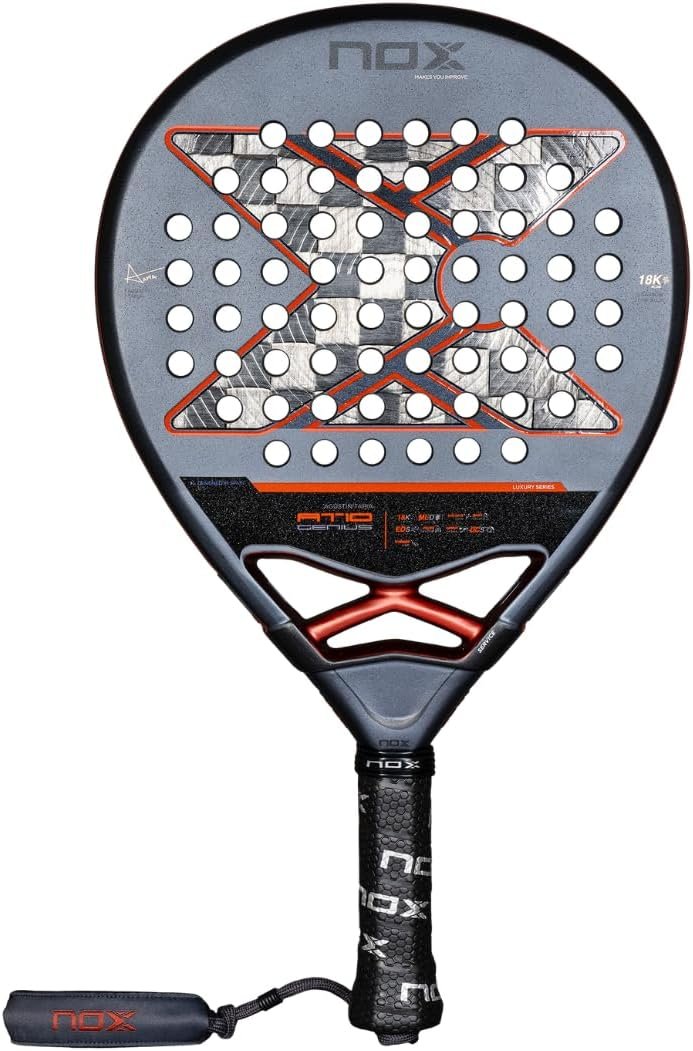
Padel Racket AT10 Genius 18K Alum by Agustin Tapia 2025 | Luxury Teardrop Pala Padel | Enhanced EOS Flap & NOX Custom Grip Technology Dual Texture Spin...
• Adidas Adipower CTRL Team 2025 – very friendly maneuverability for blocks and chiquitas, solid comfort for elbows/shoulders, and predictable precision on high lobs.
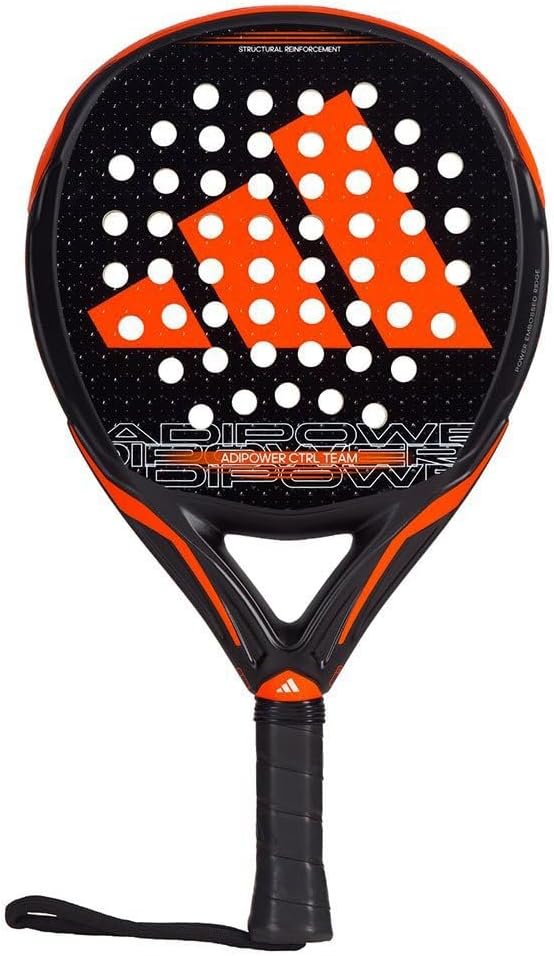
Adidas Adipower Padel Racket Paddle Series
• Babolat Counter Veron 2026 – tuned for quick counterattack transitions; easy reaction in defensive digs, stable handling at the net, and good forgiveness when timing breaks.
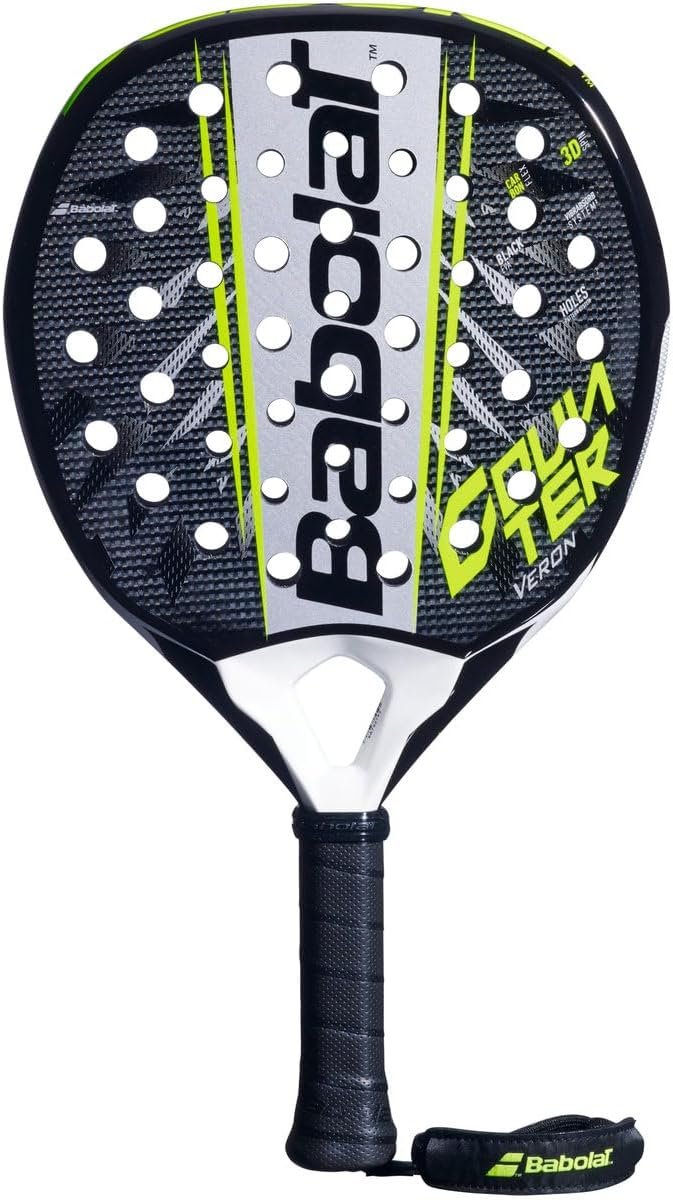
Babolat Counter Veron 2.6 Padel Racket (Black/Yellow)
• HEAD Speed Motion 2025 – light, fast, and accurate; strong maneuverability for last-second saves, plus clean placement on resets to the middle.
• Wilson Bela LT V2 2026 – lighter swing for rapid reaction and easier handling in scramble points; supports precision on controlled rebounds and defensive volleys.
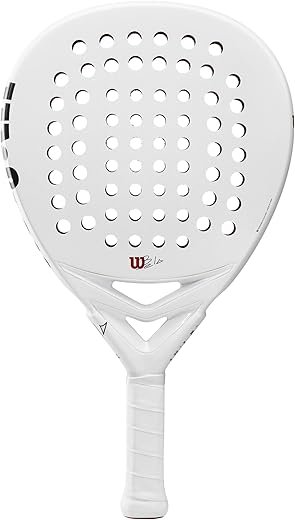
Wilson Bela Padel Rackets
Defense scenarios where a control racket changes outcomes: lobs under pressure, low volleys, and glass rebounds
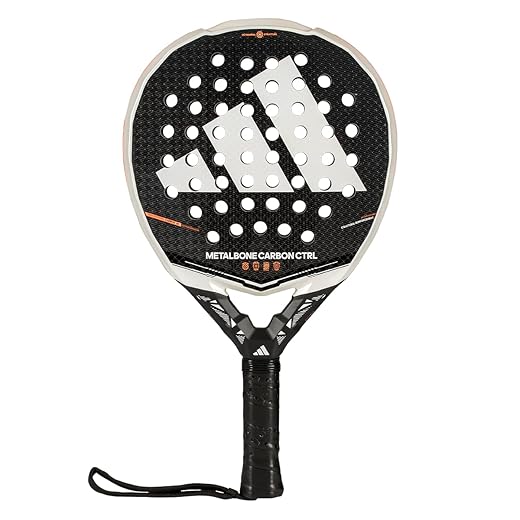
METALBONE CARBON CTRL 2026
Choose a 2025–2026 teardrop or round-shaped frame in the 355–370 g range, low-to-mid balance, and a medium EVA core: it maximizes precision and comfort when you’re pinned at the back glass and need a safe reset. On Amazon, look at recent editions like Nox AT10 Luxury Genius 18K Alum (2025), Adidas Metalbone Carbon CTRL (2026), and Bullpadel Vertex CTR (2026). These lines are typically tuned for stability on off-center hits and offer enough maneuverability to survive fast exchanges near the fence.

BULLPADEL Padel Racket Vertex 05 2026 | Juan Tello Pala Padel for Multipurpose Balance & Control | Air Power, Xtend-Carbon 12K Face, Multieva | Curvaktiv...
Lobs under pressure (deep corner, opponents at net): prioritize a softer face and lower balance for higher launch and cleaner placement. The goal is a lob that clears the net by 1–2 meters and lands near the back line, not a “winner” attempt. Frames like the Nox AT10 Luxury Genius 18K Alum (2025) are popular for predictable trajectory and forgiveness when your contact point is late. Practical cue: open the face slightly and use a compact lift; a more forgiving sweet spot keeps the ball from dying into the tape when your reaction is rushed.
Low volleys and half-volleys (digging at your feet): pick a model that stays steady on punch blocks and doesn’t twist on impact–high torsional stability matters more than raw power here. The Adidas Metalbone Carbon CTRL (2026) style of construction (stiffer frame + balanced feel) makes it easier to “catch and guide” the ball into the middle lane or down the line. For tight situations, aim for a 30–50 cm net clearance and use short strokes; the extra precision reduces floaters that invite an opponent’s smash. If you want a safer countering option, block cross-court deep, then prepare for a quick counterattack on the next ball.
Glass rebounds (back wall + side wall combos): you need fast reaction and consistent output when you can’t set your feet. A rounder shape and medium EVA usually give better read on rebound pace and angle, improving placement when you’re defending the “V” corner. The Bullpadel Vertex CTR (2026) type of profile often feels solid on defensive scoops and controlled flicks, especially when you’re forced to take the ball after glass at shoulder height. Recommendation: practice one default reset–high cross-court lob–and one aggressive option–flat drive to the feet–for a structured counterattack pattern.
Key control specs that matter for defense: round head, balance point, and sweet spot placement
Choose a round head + low-to-mid balance (around 250–265 mm from the butt cap) if you want faster reaction in volleys and lobs and cleaner placement under pressure. This combo boosts maneuverability near the net and makes emergency blocks less “all-or-nothing,” especially when contact happens late.
Round head shape is the most reliable spec for simple handling on cramped swings. It keeps the hitting area compact and predictable, so you can guide the ball deep or short using wrist and forearm rather than full body rotation. For players who defend a lot of fast balls, round geometry also improves forgiveness on slightly off-center touches–useful for digging out low shots and resetting the rally instead of gifting an easy finish.
- What to look for: “Round” or “circular” head; 3K/12K carbon or carbon+fiberglass blends for a softer feel.
- Who it suits: players prioritizing quick blocks, accurate lobs, and safer returns.
Balance point determines how quickly you can get the face behind the ball. For defensive exchanges, a lower balance (head-light) usually wins: it improves maneuverability and reduces arm fatigue in rapid sequences. Mid balance can be a smart compromise if you still want a firm counterattack after absorbing pace. Aim for these ranges:
- Low balance (≈240–255 mm): quickest reaction, easiest wrist adjustments, best for fast exchanges.
- Mid balance (≈255–270 mm): more punch on transitions, solid stability on hard blocks.
- High balance (>270 mm): slower to reposition; only worth it if your game is built around finishing power.
Sweet spot placement is the hidden spec that changes your consistency. A round head typically puts the sweet spot closer to the center, improving precision for controlled lobs and “reset” shots. If the sweet spot sits higher, you’ll feel extra pop on aggressive volleys, but defensive blocks become more sensitive. For reliability, prefer a centered or slightly lower sweet spot plus a medium/soft core; it increases forgiveness when you’re stretched wide or late.
- Centered sweet spot: steadier placement on blocks and lobs; easier depth control.
- Higher sweet spot: better finishing feel; more demanding on late contacts.
- How to confirm: check brand diagrams, user reviews mentioning “large sweet spot,” and core type (EVA Soft/Comfort usually enlarges it).
2025–2026 Amazon-available examples that match these specs (round head, low/mid balance, centered sweet spot) and feel stable on blocks: HEAD SPEED Motion 2025 (fast handling and good reaction), Bullpadel Vertex 04 Comfort 2025 (high forgiveness and dependable stability), adidas Metalbone Carbon CTRL 2025 (clean precision for varied placement), Nox ML10 Luxury Bahia 2025 (predictable touch and easy transitions into counterattack).
2025–2026 frame and face tech to look for: vibration systems, carbon layups, and surface textures for lift
Choose a 2025–2026 teardrop frame that combines a vibration-damping bridge (elastomer inserts or injected foam) plus a carbon tubular frame; it gives noticeably better comfort on hard blocks and keeps precision when you’re rushed. On Amazon, look for updated lines like Adidas Metalbone Carbon 3.4 (2025) and Bullpadel Vertex 04 (2025/2026), where newer anti-vibration pieces near the throat reduce sting and improve reaction on fast exchanges. This combo also preserves stability so the face doesn’t twist on off-center impacts, raising forgiveness on defensive digs.
For carbon layups in 2025–2026, prioritize mixed carbon schedules: stiffer fibers in the frame for torsional rigidity, and a slightly more elastic face for dwell time and placement. Examples commonly listed on Amazon include Nox AT10 Genius 12K/18K (2025 edition) and Head Speed Pro (2025) variants–aim for 12K or 18K faces if you want extra pop on the counterattack while keeping the ball on the strings long enough for directional control. If you value maneuverability over sheer punch, pick designs advertising a more neutral balance and reinforced sides rather than head-heavy builds; it keeps your wrist fresher and improves late contact shots.

HEAD Speed Padel Racket Paddle Series (Pro, Pro X, Motion, Elite, ONE, ONE X, Team)
To get “lift” (easy spin and higher clearance) without losing precision, focus on 2025–2026 face textures that are 3D micro-relief or sand-spin quartz finishes, ideally paired to a medium-hard EVA core. On Amazon, newer textured faces in lines like Babolat Technical Viper (2025) and select Adidas models can add bite for lobs and controlled passing shots, while still feeling clean on volleys. Practical rule: 3D texture tends to be more consistent over time; sand finishes can feel grippier early but may wear faster depending on court surfaces.
Trade-offs on defense: when control rackets reduce depth, speed, or counterattacking options
If you often land short lobs or float slow balls from the back corner, switch to a mid-balance (≈265–270 mm) and slightly firmer face; you’ll gain depth and speed without losing placement and precision on blocks.
The main trade-off is simple: softer faces + lower balance boost forgiveness and comfort, but they can cap ball exit speed. On deep returns, that means you may need a longer swing to reach the same length, which slows reaction time on fast exchanges. If your opponent pins you with heavy viboras, a very soft feel can also reduce stability on off-center hits–great handling, but less authority when you counter through the middle.
- Depth loss: Soft EVA and low balance make it easier to keep the ball in, but you may see shorter clears unless you accelerate more. If your average lob lands inside the last 1–2 meters, you’re leaving counterattacking options open.
- Speed ceiling: When you try to flip the point from the back wall, the face can “absorb” energy; you get safe placement, but fewer winners. Consider a firmer variant if your counter-drive consistently sits up.
- Slower transitions: Too much focus on comfort can reduce crisp feedback; your reaction on volleys after glass rebounds may suffer because the ball feels “late” off the face.
For 2025–2026 Amazon-available gear, avoid ultra-soft low-balance options if you want sharper counterpunching. Instead, pick frames marketed as “hybrid/teardrop” but still tuned for precision, then verify specs: 365–375 g, medium EVA, and reinforced throat for stability. Examples to look up on Amazon: Nox AT10 Luxury Genius 18K Alum (2025), Bullpadel Vertex 04 (2025), Head Speed Pro (2025). These keep maneuverability high while restoring depth and faster ball exit, especially on defensive lobs and straight-line chiquitas.
- If you struggle to clear the net player: prioritize a firmer face and slightly higher balance; keep your placement targets (deep middle or backhand corner) but regain length.
- If your wrist gets tired: stay in the softer range for comfort and forgiveness, but add stability via a sturdier frame and avoid very light builds that twist on impact.
- If counters feel slow: choose a textured surface for bite, then shorten your swing and rely on precision–faster reaction beats bigger wind-ups under pressure.
Best 2025–2026 control rackets for defensive players: top picks by play level and budget
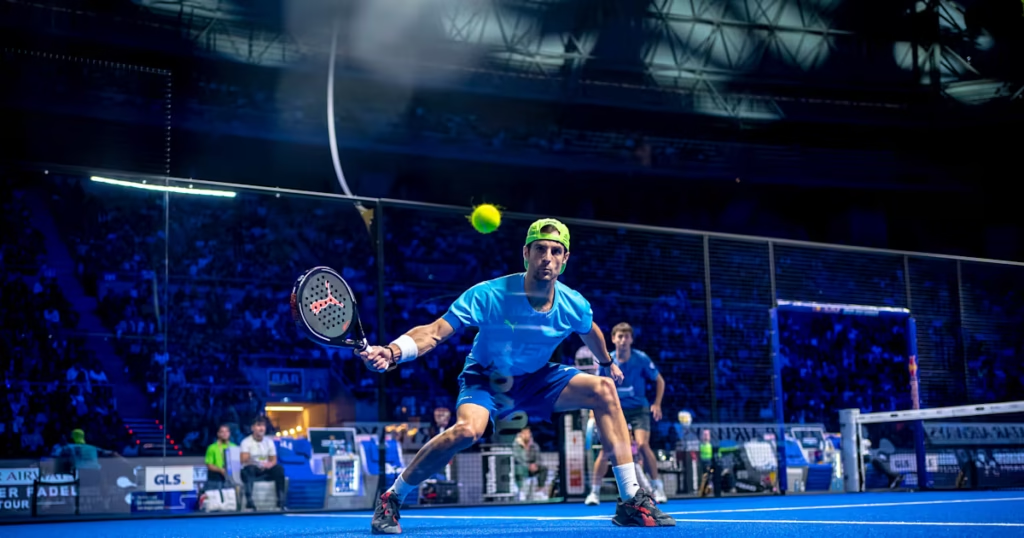
For deep-lob retrieval and calm counterplay, choose a round shape + low/medium balance + soft/medium EVA: it boosts placement and comfort while keeping reaction fast on blocks close to the glass.
Padel Rackets Comparison (2025–2026)
🟢 Beginner / Budget
Under ~$120 on Amazon
| Model | Control | Forgiveness | Maneuverability | Best For |
|---|---|---|---|---|
| GAMMA RZR Padel Racket(2025) | ⭐⭐⭐⭐☆ | ⭐⭐⭐⭐⭐ | ⭐⭐⭐⭐☆ | Дightweight design, carbon fiber face, textured surface |
| Adidas Match 3.4 Round (2025) | ⭐⭐⭐⭐☆ | ⭐⭐⭐⭐☆ | ⭐⭐⭐☆ | Comfortable feel, steady volleys, low mishit rate at slow–medium pace |
| Babolat Air Vertuo 2.5 (2025) | ⭐⭐⭐⭐☆ | ⭐⭐⭐⭐☆ | ⭐⭐⭐⭐⭐ | Defensive play, quick blocks, late contacts, very easy handling |
🔵 Intermediate / Value
≈ $120–$260 on Amazon
| Model | Control | Forgiveness | Maneuverability | Best For |
|---|---|---|---|---|
| Nox AT10 Genius 12K (2025) | ⭐⭐⭐⭐⭐ | ⭐⭐⭐⭐☆ | ⭐⭐⭐⭐☆ | Precise corner placement, redirects, glass pickups |
| Head Speed Motion (2025) | ⭐⭐⭐⭐☆ | ⭐⭐⭐⭐☆ | ⭐⭐⭐⭐⭐ | Fast net exchanges, hand battles, long sessions without arm fatigue |
| Babolat Counter Veron (2026) | ⭐⭐⭐⭐☆ | ⭐⭐⭐⭐⭐ | ⭐⭐⭐⭐☆ | Deep defense, controlled lobs, smooth transition to attack |
🔴 Advanced / Premium
≈ $220–$360 on Amazon
| Model | Control | Forgiveness | Maneuverability | Best For |
|---|---|---|---|---|
| Wilson Bela V3 (2025) | ⭐⭐⭐⭐⭐ | ⭐⭐⭐☆ | ⭐⭐⭐⭐☆ | Aggressive counter-volleys, punch blocks, early ball contact |
| Nox ML10 Pro Cup Luxury (2025) | ⭐⭐⭐⭐☆ | ⭐⭐⭐⭐⭐ | ⭐⭐⭐⭐☆ | Long matches, comfort, consistency from difficult positions |
| Head Extreme One (2026) | ⭐⭐⭐⭐⭐ | ⭐⭐⭐☆ | ⭐⭐⭐⭐⭐ | Compact swings, reflex volleys, pinpoint precision under pressure |
🔍 Quick Takeaways
-
Beginners → round shapes, high forgiveness, lighter feel
-
Intermediates → balance of control + maneuverability
-
Advanced players → faster frames, precision, stability under pace
Questions and answers:
Do control rackets actually make defending easier in padel, or is it mostly marketing?
They can make defense easier, but not because they magically “fix” bad positioning. A control racket usually has a rounder head, a lower balance, and a larger sweet spot. That combination helps on typical defensive situations: blocking fast volleys, digging out low balls near the glass, and resetting the point with a safe lob. You’ll often feel more stability on off-center hits, and the ball tends to leave the face with a calmer, more predictable trajectory. The trade-off is that you may need cleaner technique or more racket-head speed to get depth from the back corner, especially under pressure. So yes—there’s a real benefit, but it shows up most when your priority is consistency and you defend a lot.
I’m struggling against hard smashers: should I switch to a control racket for defense?
It depends on what “struggling” looks like. If you’re late and you mostly block/react at the net, a control-oriented racket with a lower balance can help you get the face behind the ball faster and keep blocks lower. If the problem is that the ball explodes off their smash and you can’t control rebounds off the glass, a softer core or more forgiving sweet spot can reduce “trampoline” surprises and make your counter shots steadier. But if you’re losing because you can’t push the ball deep or your lobs sit up short, a very soft, low-power setup may hurt you: you’ll defend one shot, then gift an easy overhead. Many players do best with a control-leaning “all-round” racket: stable enough to block, but with enough output for defensive lobs and deep resets.
What are the biggest drawbacks of control rackets for defensive play?
Three common drawbacks show up quickly. First: depth under stress. From the back corner, you may need more swing and better timing to send a high, deep lob or a firm cross-court reset. Second: counterattacking. When you finally get a short ball, a control-heavy racket can feel “polite” on finishing shots unless you accelerate well. Third: some very soft control models can feel vague on touch, especially for players who like crisp feedback on volleys. None of these are deal-breakers; they just shift the workload from the racket to your legs and technique. If you already rely on the racket for free power, expect an adjustment period.
How do I choose a control racket specifically for defense—what specs matter most?
For defense, prioritize: (1) balance: low to mid balance tends to feel quicker when you’re jammed at the net or forced to react off the body; (2) shape: round heads usually give a larger usable hitting zone, which helps when you’re scraping balls near the glass; (3) core feel: a medium or medium-soft touch often supports controlled blocks and lobs without turning every hit into a “spring”; (4) surface: smoother faces are typically easier for clean, simple defense, while very rough surfaces can reward spin but won’t compensate for late contact; (5) weight: choose the heaviest weight you can handle for 90 minutes without your shoulder or forearm tightening up. Stability matters, but fatigue destroys defense faster than any spec.
Can you suggest a few control-oriented padel rackets that suit defensive players, and who each one fits?
Common defensive-friendly picks (models vary by yearly version, so match the exact release):
• Head Gravity Pro — For players who want a classic control feel with a big sweet spot and solid stability on blocks. Good if you defend a lot and build points patiently.
• Nox ML10 Pro Cup — A popular “safe” choice for consistent defense: forgiving, comfortable, and easy to trust on glass shots. Fits intermediate players who want fewer unforced errors.
• Adidas Adipower CTRL — For defenders who still want a firmer response and a bit more bite on volleys and overheads. Better if you like a sharper contact feel.
• Bullpadel Vertex 03 CTRL — For players who like control shape but also need presence at the net; tends to feel stable and precise. Works well for an aggressive defender who counterattacks when the chance appears.
If you share your level, typical position (left/right), and whether you prefer a softer or firmer feel, I can narrow it to 2–3 options that match your defense style.



No Comment! Be the first one.