


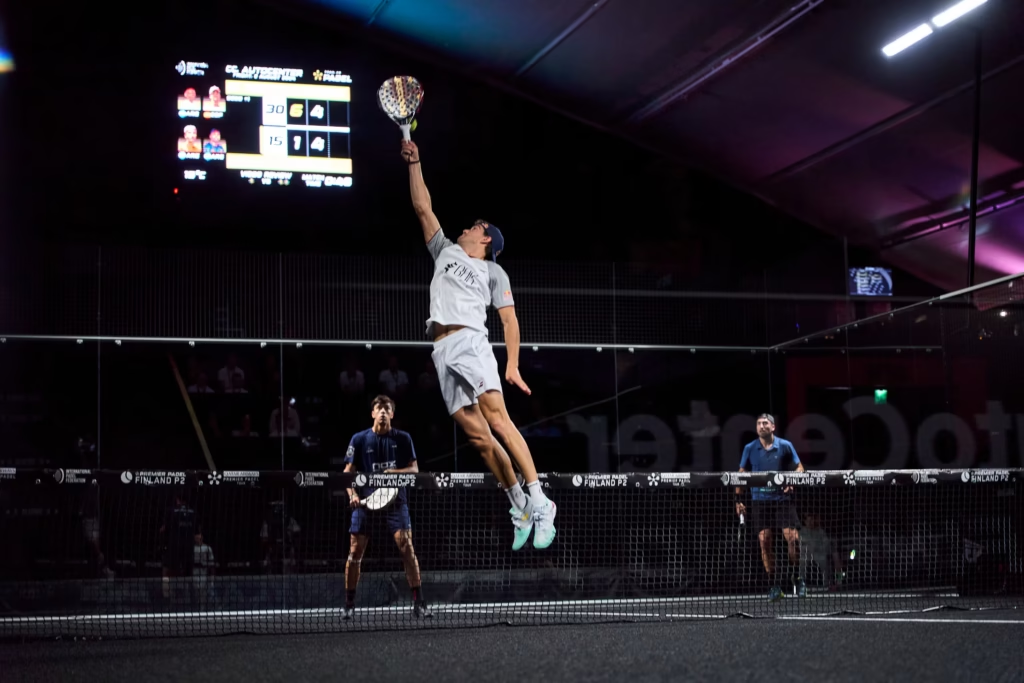
In this guide to 10 Precision Padel Rackets for Advanced Players, we highlight the best padel rackets designed for maximum control, accuracy, and consistency at a competitive level. Advanced players demand precise shot placement, stable response under pressure, and reliable feedback on every swing—and the rackets in this list deliver exactly that. From refined carbon constructions and optimized sweet spots to balanced weight distribution and enhanced vibration dampening, these precision-focused models help you dominate rallies, control tempo, and execute tactical play with confidence. Whether you rely on sharp volleys, deep lobs, or pinpoint bandejas, this selection will help you find the ideal racket to elevate your performance on the court.
Table Of Content
- 📊 Precision Padel Rackets for Advanced Players (2025–2026)
- How to Choose a Precision Padel Racket for Advanced Control and Power
- Round vs teardrop vs diamond: which shape sharpens placement without losing pace
- Balance point tuning: when head-light beats head-heavy for surgical volleys
- Hard vs medium cores: how EVA density changes touch, rebound, and depth
- 🏓 EVA Core — Hard (High Density)
- 🏓 EVA Core — Medium (Mid Density)
- Face materials (12K/18K/24K carbon): what improves directional stability on fast exchanges
- Surface finish (smooth vs rough): spin generation for controlled lobs and kick bandejas
- Testing Checklist for Control, Accuracy, and Match-Ready Performance
- Questions and answers
- I like to build points with lobs and controlled volleys, not power. Which racket shape from your list will give the cleanest placement—round or teardrop?
- Two rackets in the article have similar weights, but one feels faster at the net. What specs should I check to predict maneuverability?
- I’m an advanced player but I struggle with off-center hits under pressure. Which construction details help keep control on mishits?
- Your list includes rough/sandy faces. Do they really improve accuracy, or do they mainly add spin? I’m worried they’ll make touch shots harder.
- I’m switching from a power-oriented diamond racket to something more precise. How long is the adjustment, and what should I change in my strokes?
- Choose teardrop or hybrid 360–365 g frames with 12K–18K carbon for repeatable placement and low vibration in long rallies.
- Prefer head-light balance for surgical volleys; add 2–4 g under the grip to improve net accuracy without harming aerodynamics.
- Hard EVA cores give firmer touch and tighter depth; medium EVA enlarges sweetspot and calms vibration for defensive control.
- 18K carbon balances stiffness and feel for directional stability; 12K is more forgiving, 24K is crisp but demanding.
- Surface texture: rough faces boost spin and kick; smooth faces deliver cleaner release and tighter height control on lobs.

Choose a teardrop or hybrid 360–365 g frame with 12K–18K carbon faces if your priority is repeatable placement under speed: this spec range delivers the best balance between fast handling and stable impact, while keeping vibration low enough to stay sharp late in long rallies.
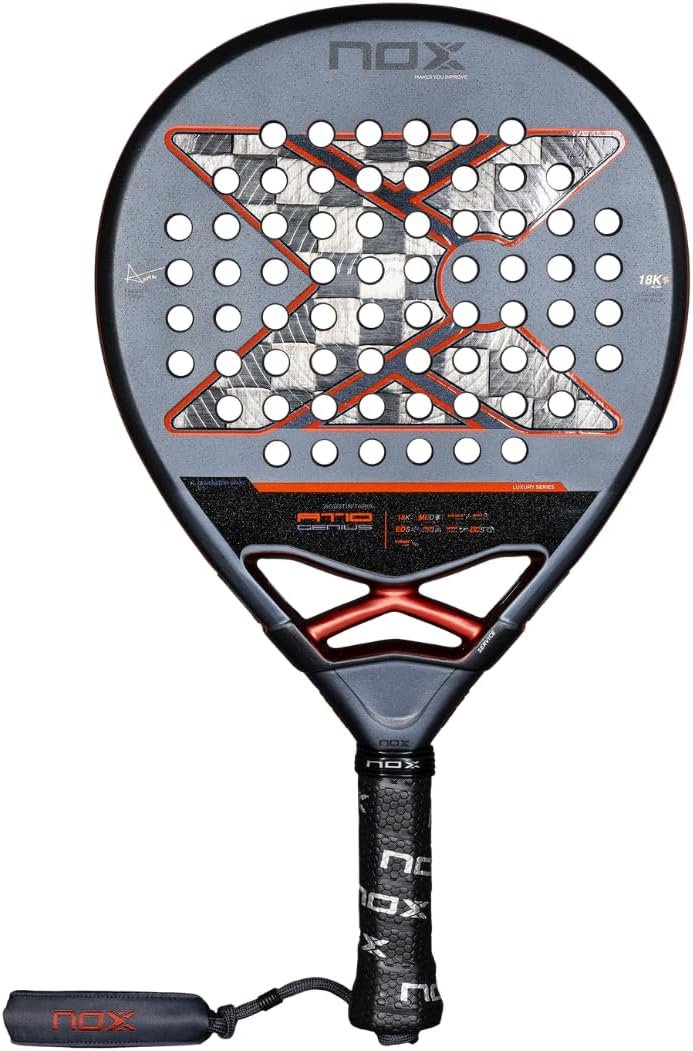
Padel Racket AT10 Genius 18K Alum by Agustin Tapia 2025 | Luxury Teardrop Pala Padel | Enhanced EOS Flap & NOX Custom Grip Technology Dual Texture Spin...
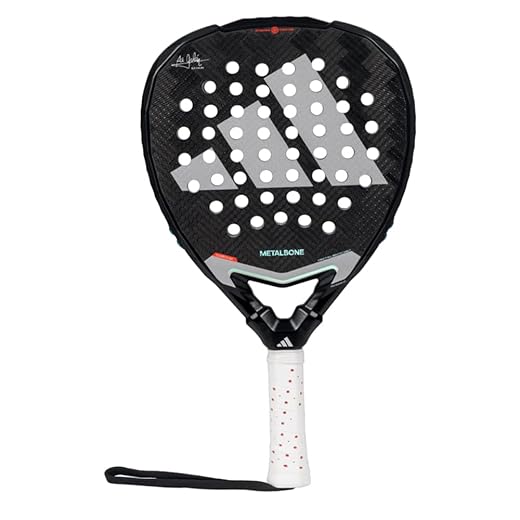
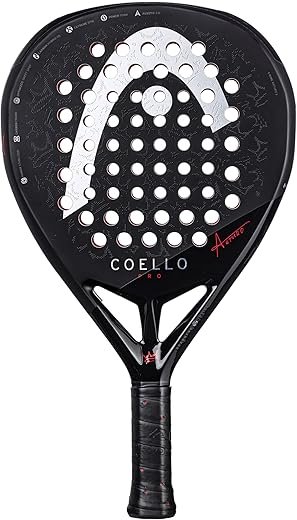
From the 2025–2026 lines, start your shortlist with Nox AT10 Genius 18K (2025) and Head Coello Pro (2025) when you want crisp responsiveness and a compact, predictable sweetspot that rewards clean mechanics. If you prefer a slightly more forgiving contact zone without losing point-to-point exactness, look at Bullpadel Vertex 04 (2025) or Adidas Metalbone 3.4 (2025)–both tuned to keep accuracy high even when you’re defending off-balance.
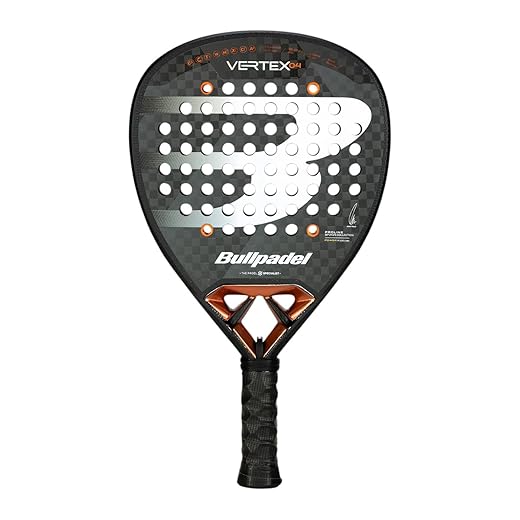
BULLPADEL Padel Racket Vertex 04 2025 Juan Tello | Professional Diamond Shape Pala Padel | Xtend Carbon 12K & MultiEva Core | Curvaktiv & Air Power Frame...
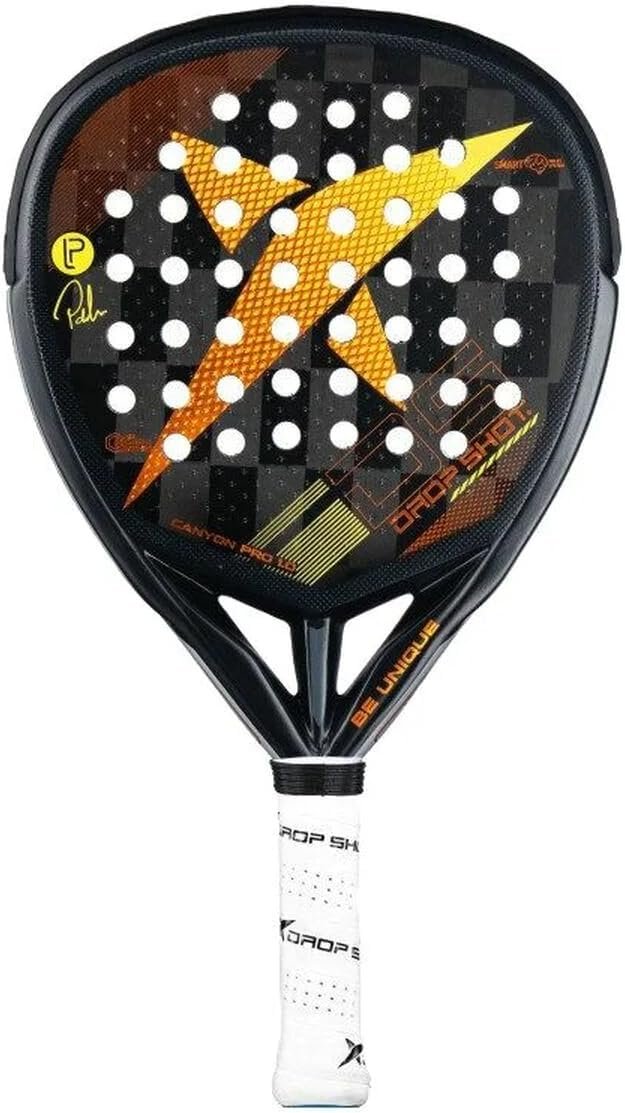
When net exchanges decide the set, prioritize profiles engineered for aerodynamics: StarVie Metheora Pro Touch (2025), Siux Electra Stupa Pro St4 2025, and Babolat Technical Viper (2025) stand out for quick directional changes and reliable maneuverability on volleys, blocks, and late wrist adjustments. If you’re sensitive to harsh feedback, target frames with dampening-focused layups–Wilson Bela Pro v3 (2025) and Drop Shot Canyon Pro (2025) are strong picks to cut perceived vibration while keeping the face lively.
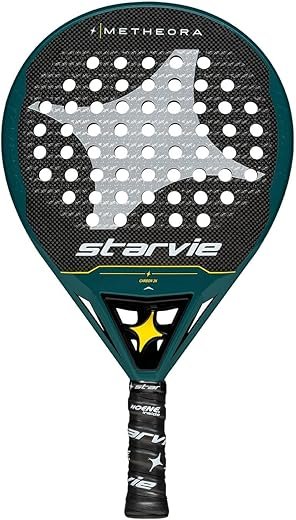
STARVIE METHEORA PRO Touch
The models below are selected specifically for players who already generate pace and now need measurable placement gains: consistent rebound mapping across the sweetspot, stable torsional response from layered carbon, and a head-light to mid balance that preserves speed through contact without sacrificing touch.
📊 Precision Padel Rackets for Advanced Players (2025–2026)
| Model | Player Profile | Shape | Feel | Key Strengths | Best For |
|---|---|---|---|---|---|
| Nox AT10 Genius 18K (2025) | Advanced all-court | Teardrop | Medium-hard | Stable control, compact sweet spot, clean feedback | Tactical play, precise volleys |
| Head Coello Pro | Advanced / aggressive | Teardrop | Hard | Crisp carbon response, fast handling | Net dominance, sharp angles |
| Bullpadel Vertex 04 (2025) | Advanced attackers | Teardrop | Medium-hard | Power + control balance, forgiving stability | High-tempo rallies |
| Adidas Metalbone 3.4 (2025) | Advanced power-control | Diamond | Hard | Directional stability, adjustable balance | Controlled power finishing |
| StarVie Metheora Pro | Control specialists | Round | Medium | Large sweet spot, low vibration | Defense, blocks, placement |
| Siux Electra Stupa Pro ST4 2025 | Advanced all-court | Hybrid (TD/D) | Medium-hard | Aerodynamics, fast reactions | Quick net exchanges |
| Babolat Technical Viper (2025) | Aggressive finishers | Diamond | Hard | Explosive response, heavy spin | Smashes, point-ending shots |
| Wilson Bela Pro v3 | Competitive precision | Teardrop | Medium-hard | Dampened feel, stable touch | Long matches, consistency |
| Drop Shot Canyon Pro (2025) | Advanced control | Teardrop | Medium | Predictable rebound, comfort | Tactical rallies |
| Wilson Blade Pro | Precision-first players | Round / TD | Medium | Clean response, balanced feel | Volleys, controlled pace |
📌 Disclaimer
This article was written in late December 2025. At the time of publication, not all 2026 padel racket models had been officially released or were widely available for sale. Some information is based on manufacturer announcements, early specifications, and pre-release details, which may be updated as brands finalize their 2026 lineups. Availability, final specifications, and retail listings may vary by region and release schedule.
How to Choose a Precision Padel Racket for Advanced Control and Power
Pick a 2025–2026 teardrop or hybrid shape with a medium-high balance if you want clean placement plus strong finishing shots; it keeps the sweetspot usable on fast exchanges while still adding punch on overheads. If your volleys feel late, go slightly lower balance to boost maneuverability; if smashes lack depth, move one step higher in balance and keep the head size moderate to protect accuracy.
Drop Shot Canyon Pro 1.0 - Professional Padel Racket With Shock Absorption, Great Control and Power
Prioritize 12K–18K carbon faces with an EVA Medium/Hard core when you want sharper responsiveness on contact. Softer foam can feel comfy, but it often blurs feedback and costs directional accuracy on compact swings. Look for a textured face (fine sand or 3D print) to grip the ball without needing extra arm speed; it helps on slice viboras and controlled lobs while keeping your trajectory repeatable.
Check frame design: a reinforced bridge and a slightly thicker beam (around 38 mm with solid sidewalls) improves stability when blocking heavy shots at the net. For aerodynamics, prefer a streamlined throat cutout and reduced air drag edges–this makes quick hand changes easier and keeps maneuverability high in defense-to-attack transitions. Also, choose a model with anti-vibration inserts or dampening channels; less vibration means cleaner touch on drop shots and fewer mishits when you’re tired.
Adidas Metalbone 3.4 "ALE GALAN" Padel Racket 2025
Use these quick selection rules: smaller sweetspot + harder core = maximum point-and-shoot accuracy (best if you hit the center consistently); larger sweetspot + medium-hard core = safer under pressure with nearly the same placement. Aim for a weight range of 360–375 g if you want stability on blocks and drives; go 350–360 g if you rely on speed and wrist work to create angles.
Round vs teardrop vs diamond: which shape sharpens placement without losing pace
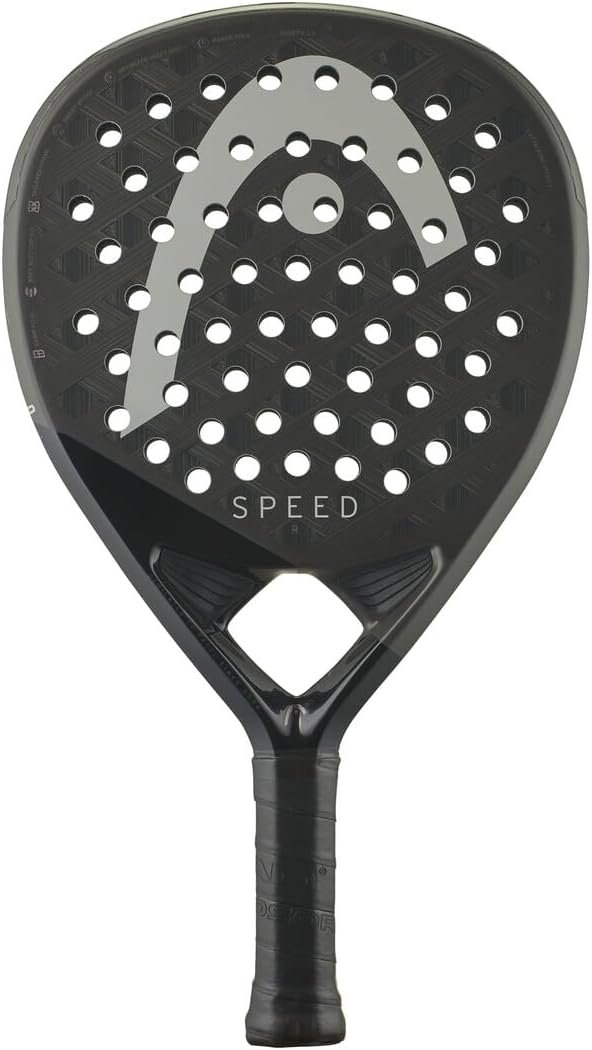
Pick a teardrop shape if you want tighter placement without giving up easy speed: it keeps a medium-high sweetspot, a cleaner balance than diamond, and better aerodynamics than most round heads. In 2025–2026 lines, look at HEAD Speed Pro 2025 or Bullpadel Hack 04 Hybrid 2025: both feel quick through the air, with solid responsiveness on compact swings and enough punch on counter-hits.
HEAD Speed Padel Racket Paddle Series (Pro, Pro X, Motion, Elite, ONE, ONE X, Team)
Round is the safest route to repeatable placement when you’re defending or playing lower-speed exchanges. The big sweetspot helps keep accuracy high even when contact is slightly late, and the head shape naturally boosts torsional stability. If you’re sensitive to elbow/forearm stress, round frames tend to manage vibration better–especially in builds using quality carbon layups plus dampening layers. Good 2025–2026 examples include Wilson Blade Pro V3 2025 (crisp but not harsh) and Nox AT10 Luxury Genius 18K 2025 (predictable exits, forgiving on off-center blocks).

Siux Electra Stupa Pro St4 2025
Diamond sharpens point-ending pace, but it only “sharpens placement” if you already hit clean and like a higher, head-heavy balance. The smaller sweetspot punishes lazy timing, yet rewards fast mechanics with heavy ball speed and aggressive overheads. Choose it when you win with volleys and smashes and want maximum bite. Check 2025–2026 models like Adidas Metalbone HRD+ 2026 or Siux Electra Stupa Pro St4 2025: both are stiff, high responsiveness frames–great power, but expect more vibration if your technique is not compact.
Siux Electra Stupa Pro St4 2025
Fast rule: round = easiest consistent placement; teardrop = best blend of placement + pace; diamond = maximum pace if you can hit the small sweetspot. If you want “sharper placement without losing pace,” teardrop is the default choice–then tune feel by going softer core to cut vibration or stiffer carbon faces to boost responsiveness.
Balance point tuning: when head-light beats head-heavy for surgical volleys
Choose a head-light balance (about 255–265 mm from the butt cap) if your goal is surgical volleys: it boosts maneuverability at the net, lets you hold a compact swing, and improves responsiveness on rapid exchanges. In 2025–2026 frames, this range typically keeps swingweight near ~340–360 kg·cm², which is a sweet spot between quick handling and enough mass to keep the face stable on off-center blocks.
Head-light wins when you’re finishing points with short punches: the faster the tip returns to square, the higher your accuracy on “stick” volleys and low half-volleys. It also reduces late-face rotation, so stability on contact comes more from clean timing than brute head mass. If you feel the ball “climbs” the face on fast feeds, shift 2–4 g to the handle (under the grip) instead of adding weight at 12 o’clock; you’ll keep aerodynamics intact and the sweetspot will feel easier to access in tight reaction windows.
Use head-heavy (often 270–285 mm) only if you’re losing depth on counter-volleys or getting bullied by heavy drives. The trade-off is slower tip speed and more drag through the air; for net duels, that can cost you the extra 50–80 ms you need to close the face. With many 2025–2026 carbon layups, extra head weight can also amplify vibration on mistimed blocks; a head-light setup plus a softer overgrip or 1–2 g of silicone in the handle usually calms feedback without sacrificing responsiveness.
HEAD Coello Padel Racket Paddle Series (Motion, Pro, Team)
Quick tuning method: measure balance on a ruler, then adjust in 2 g steps. Add 2 g at 3 & 9 o’clock if you want more stability without making it sluggish; add 2–4 g under the grip if you want faster transitions and better accuracy at net. Stop when you can volley 20 fast feeds in a row without the face lagging–your balance and maneuverability are dialed in.
Hard vs medium cores: how EVA density changes touch, rebound, and depth
Choose a hard EVA core if you want a firmer touch, lower trampoline rebound, and tighter depth on fast balls–especially when your technique is stable and you hit cleanly near the sweetspot.
Hard EVA (high density) gives a “direct” feel: the face deforms less, so the ball leaves earlier with less dwell time. That improves accuracy on flat drives and aggressive volleys, but it also punishes off-center hits with more vibration. Pair hard EVA with a high-quality carbon layup (12K–18K) to keep the response crisp without feeling hollow. For depth control, hard EVA rewards shorter, faster swings: you’ll get stable trajectories even in windy conditions, and the stiffer face can slightly help aerodynamics by keeping the profile steady through contact. If you often feel the ball “springing” too much at the back of the court, hard EVA is the fix.
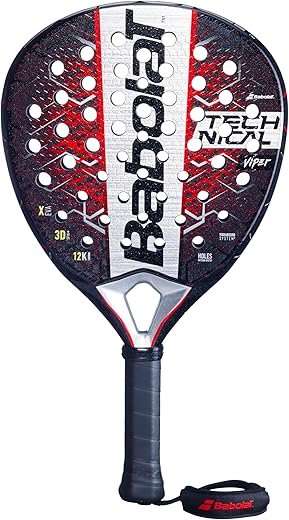
Babolat Technical Viper 2.5 Padel Racket
Medium EVA (mid density) is the safer pick if you want easier length with less effort and fewer harsh shocks on mishits. Medium cores add dwell time, which boosts responsiveness on lobs, defensive blocks, and topspin shots because the face “holds” the ball a fraction longer. That extra pocketing also expands the usable sweetspot, reducing random depth errors when you’re stretched wide. The tradeoff: more rebound can push balls long if your swing is already powerful, so consider a slightly head-light balance to keep touch shots from floating.
Practical fitting rules (2025–2026 specs that actually matter): hard EVA works best around 360–375 g with a medium-to-head-heavy balance if you want a punchy net game, while medium EVA feels more precise around 355–370 g with a head-light balance to maximize maneuverability. If your elbow or shoulder is sensitive, avoid ultra-stiff combos (hard EVA + full 18K carbon) unless the frame includes anti-vibration inserts; otherwise, medium EVA + 12K carbon is the friendlier pairing.
🏓 EVA Core — Hard (High Density)
🔹 Touch & Rebound
-
Firm touch, lower rebound
-
More vibration on mishits
🔹 Depth Behavior
-
Tighter ball length
-
Less “jump” on fast balls
🔹 Best Setup Tips (2025–2026)
-
Choose a 12K–18K carbon face
-
Add anti-vibration system
-
Try medium or slightly head-heavy balance for stable power
🏓 EVA Core — Medium (Mid Density)
🔹 Touch & Rebound
-
More pocketing and higher rebound
-
Smoother feel at contact
🔹 Depth Behavior
-
Easier depth control from defense
-
Be cautious of overhitting if you swing hard
🔹 Best Setup Tips (2025–2026)
-
Pair with 12K carbon for softer feedback
-
Use head-light balance for better maneuverability and net play
Quick decision: if you’re already generating pace and want cleaner lines, go hard EVA; if you want a bigger sweetspot, easier lift, and calmer vibration, go medium EVA.
Face materials (12K/18K/24K carbon): what improves directional stability on fast exchanges
Pick 18K carbon as the safest upgrade if you want steadier direction on rapid volleys: it usually gives the best balance between stiffness and feel, keeping the face from twisting when contact happens slightly off-center. In 2025–2026 lineups, many “pro” series keep 18K on the face because it holds line without feeling overly harsh, improving accuracy when you redirect pace.
12K carbon is the practical choice when you need cleaner responsiveness and easier maneuverability. The weave tends to feel a bit more elastic, so you get a more forgiving sweetspot and fewer “dead” impacts during quick hand battles at the net. If your timing is good but you want help on rushed blocks, 12K often reduces face “kick” and keeps vibration lower than very stiff builds.
24K carbon is the most demanding option: it can feel extremely crisp and stable, but only if the frame and core are tuned to avoid a board-like hit. When it’s done right, 24K improves directional stability on fast exchanges because the face stays flat through impact, especially on punch volleys and hard counter-drives. The trade-off is a smaller usable sweetspot and higher perceived vibration if you catch the ball outside the center.
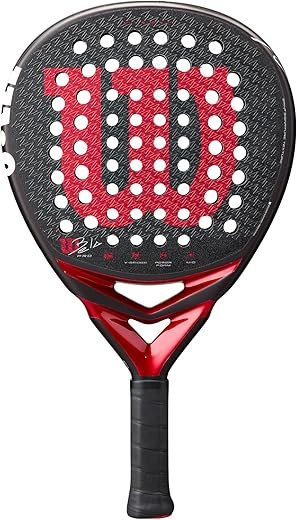
Wilson Bela V3 Padel Rackets - Grip Size 2-4 1/4"
Scan specs and look for three indicators that directly affect line-holding: (1) face carbon rating (12K/18K/24K), (2) stated balance point (a slightly head-light build helps maneuverability in firefights), and (3) “anti-vibration” additions (foam inserts, dampening bridges). Add in aerodynamics details like a sharper throat or reduced drag edges–these help you arrive earlier and keep the face square, which is often more important than raw stiffness.
Surface finish (smooth vs rough): spin generation for controlled lobs and kick bandejas
Choose a rough surface when your goal is a higher-kicking bandeja and heavier, safer lobs; pick a smooth face when you want cleaner ball release and tighter height control under pressure. In 2025–2026 lines, the most consistent spin comes from textured 12K–18K carbon faces that keep responsiveness high without adding harsh vibration.
Smooth finish (gloss/matte without texture): best when you build points with depth and placement rather than brute spin. A smooth face reduces “grip time,” so the ball leaves the sweetspot faster–useful for fast defensive lobs where you need repeatable launch angles. Look for a medium-high balance and good aerodynamics to keep the head moving freely on late contacts. To avoid floating lobs, prioritize stability from a firmer carbon layup and a tighter core; that combination improves accuracy while keeping vibration predictable on off-center hits.
Rough finish (sand/3D texture): best when you want the ball to “grab” and jump. A rough face increases friction, so your cutting motion in bandeja/víbora-style shots transfers more rotation, giving a noticeable kick after the bounce. For controlled lobs, use a slightly lower balance (or a head shape with a bigger sweetspot), because rough textures can exaggerate spin and lift; a more neutral balance keeps your trajectory repeatable. If you feel extra vibration with aggressive texture, choose a model that mentions dampening layers or softer intermediate carbon (e.g., 3K + fiberglass mix) to protect the arm while keeping responsiveness.
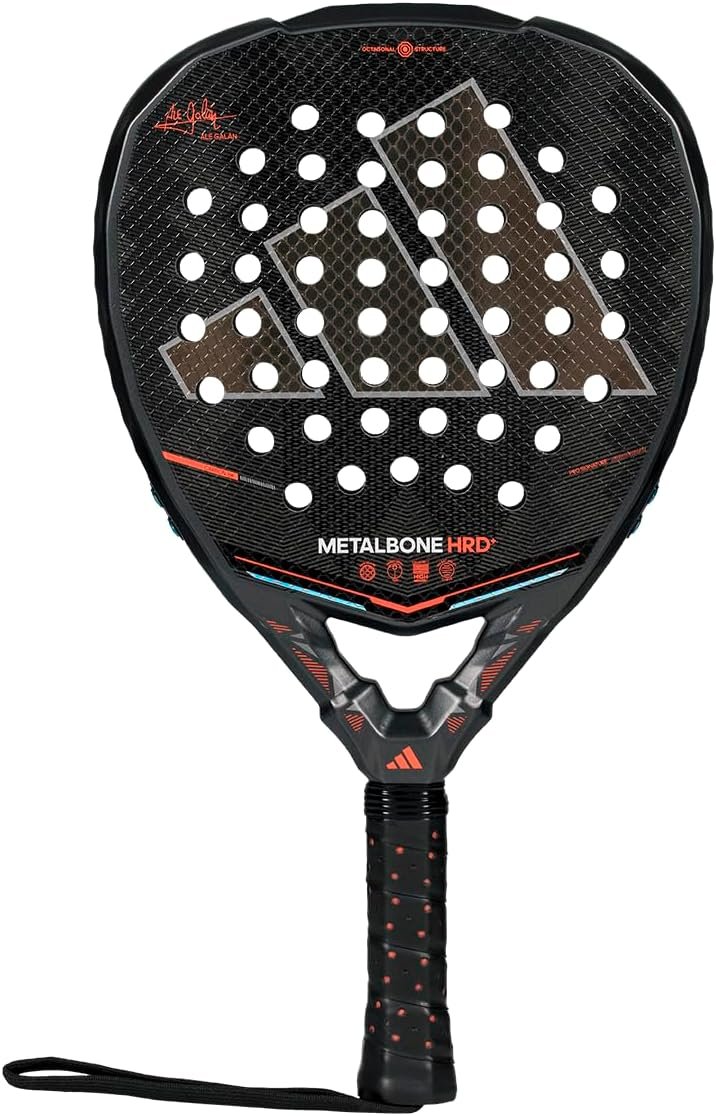
METALBONE HRD+ 2026
- Kick bandeja setup (rough): 12K–18K carbon + textured face, medium core, neutral-to-medium balance, high stability. Focus on brushing across the back-right quadrant (right-hander) to maximize kick without losing accuracy.
- Defensive lob setup (smooth): smooth carbon face, slightly softer core, wider sweetspot, good aerodynamics. Swing compact, finish high, and rely on clean release rather than extra texture.
- Mixed style (hybrid): light texture (micro-sand) + mid balance. You get enough spin to lift lobs over the rival while keeping predictable depth.
Quick buying checklist (SEO 2025 terms you’ll actually see in listings):
- Face material: “12K/18K carbon” usually boosts responsiveness; “3K carbon” often feels softer and can reduce vibration.
- Texture description: “3D/rough/sandy” = more spin; “smooth/gloss” = cleaner launch and more linear accuracy.
- Balance note: head-heavy adds power but can hurt lob consistency; even balance supports stability and repeatable sweetspot contact.
- Aerodynamics: look for “aero frame” or “reduced drag” wording if you play lots of late bandejas.
If you can only pick one: go with a lightly rough carbon face and even balance. It gives enough bite for a kick bandeja while keeping lob height and depth consistent, with less risk of unpredictable vibration when contact drifts outside the sweetspot.
Testing Checklist for Control, Accuracy, and Match-Ready Performance
Start with a 30-ball wall drill and log your miss zone: aim 20 volleys + 10 bandeja-style shots at a 1×1 m target. If fewer than 24/30 land clean, the sweetspot is too small or your balance is fighting you. Mark impact points with removable tape; a good 2025–2026 frame keeps usable response within a palm-sized area around center, not a coin-sized dot.
Check maneuverability with a timed “net reaction” test: from ready position, do 15 rapid forehand/backhand blocks against fast feeds. If your contact is late more than 3 times, the swing weight is likely high, or head-heavy balance is slowing transitions. A match-ready setup should let you change direction without over-gripping, and still keep stability when you catch the ball slightly outside center.
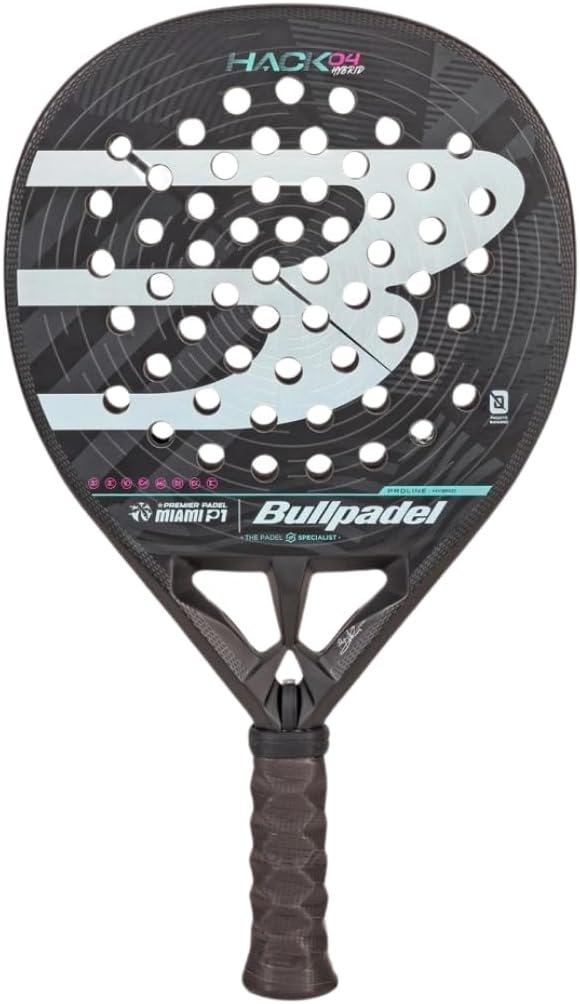
BULLPADEL Padel Racket HACK 04 Hybrid 2025 Miami Paquito Navarro | Limited Edition Diamond Shape | TRICARBON 3D & MULTIEVA Core | Channel Technology & Triple...
Validate aerodynamics using a 10-swing shadow + 10-smash sequence: record audio on your phone 1 m away. Clean, consistent “whoosh” sound across swings usually means the frame cuts air evenly; erratic noise often correlates with drag that hurts timing. In 2025–2026 designs, look for smoother throat channels and less turbulent edges–this typically improves speed without sacrificing stability.
Measure responsiveness on slow balls, not only hard hits: do 12 drop shots from mid-court. If the ball dies too early or pops up, the face/foam combo isn’t returning energy predictably. You want a repeatable launch angle: the same swing should produce the same depth. This is where real accuracy shows up–especially under fatigue.
Run a vibration and comfort check in under 2 minutes: hit 20 off-center impacts (intentionally catch high/low). If you feel sharp sting in the palm or elbow after the set, reduce string/overgrip thickness changes first, then reconsider the frame. Better 2025–2026 builds dampen high-frequency buzz while keeping feedback; that balance protects joints without making touch shots feel “numb.”
Questions and answers:
I like to build points with lobs and controlled volleys, not power. Which racket shape from your list will give the cleanest placement—round or teardrop?
For pure placement, round shapes are usually the safest pick. Their balance sits closer to the handle and the sweet spot is larger and more centered, so your contact point stays consistent on defensive lobs, soft volleys, and blocked returns. Teardrop models can still be very accurate, but their sweet spot is slightly higher and the balance tends to move forward, which can add punch yet asks for cleaner timing—especially on quick exchanges at the net. If your priority is “same response every time” on touch shots, a round control-focused racket from the list is the most predictable option; if you want a bit more finishing ability without going full diamond, choose a teardrop with a medium balance and a smoother face (not overly rough).
Two rackets in the article have similar weights, but one feels faster at the net. What specs should I check to predict maneuverability?
Weight alone doesn’t tell the whole story. Check: (1) balance point—lower balance (more handle-heavy) swings faster and recovers quicker on volleys; (2) head shape—round tends to feel quicker than diamond at the same weight; (3) frame thickness and stiffness—stiffer, thicker frames can feel “heavier” during fast direction changes; (4) grip size and total length—small differences change how easily you can rotate the racket in hand for quick volleys and bandejas; (5) swingweight (if provided)—this correlates best with how “fast” the racket feels through the air. If the article provides only weight and shape, the better bet for net speed is the model with a lower balance and a round/teardrop head rather than a diamond head.
I’m an advanced player but I struggle with off-center hits under pressure. Which construction details help keep control on mishits?
Look for a larger, more forgiving sweet spot and higher torsional stability. Practically, that means: a round or forgiving teardrop head; a frame designed with reinforced bridges or side rails (they reduce twisting on impact); and a core that isn’t extremely hard. Very hard EVA cores and very stiff carbon faces reward perfect contact, but they punish slight mishits with a harsher feel and more directional error. A medium-density core paired with a stable carbon layup often keeps the ball from “spraying” when you’re stretched wide or rushing a volley. If the rackets in your list mention stability tech, anti-vibration systems, or structural reinforcements in the throat/side, those features usually translate into better control when the hit is not clean.
Your list includes rough/sandy faces. Do they really improve accuracy, or do they mainly add spin? I’m worried they’ll make touch shots harder.
Rough textures mainly help spin generation because the surface increases friction at contact, letting you “grab” the ball more on slices and topspin. Accuracy is more about how predictable the rebound is (core firmness, face stiffness, balance, and sweet spot). A rough face can help your defensive slice stay lower and your vibora kick more, which can feel like “better placement,” but it doesn’t automatically tighten your aiming. For touch shots—drop volleys, short chiquitas, soft lobs—rough surfaces are usually fine, but very aggressive textures paired with a hard face can make the ball come off quicker than you expect. If you rely on delicate pace control, choose a moderate texture and a medium feel rather than the roughest face in the list.
I’m switching from a power-oriented diamond racket to something more precise. How long is the adjustment, and what should I change in my strokes?
Most advanced players adapt within 2–6 sessions, depending on how different the balance and core feel are. Coming from a diamond racket, you’ll notice: (1) contact point drops slightly lower on round/teardrop heads—aim to meet the ball a bit earlier and closer to your body on volleys; (2) you may need a slightly longer follow-through on overheads to keep depth, since the new racket won’t “carry” the ball as much; (3) on lobs, reduce wrist flick and use more shoulder/leg drive for consistent height. A practical approach is to spend one training focused on defense (lobs, blocks, wall exits) and one on net patterns (volley-to-volley, bandeja/vibora direction). After that, match play usually feels normal—just with fewer unforced errors if the control model suits your timing.



This article provides great insights into choosing the right padel racket based on EVA core density, face materials, and surface finish. It’s helpful to know how these factors can affect your game and performance.
This article provides a detailed guide to choosing the best precision padel racket for advanced players. It’s helpful to have specific recommendations based on player needs and preferences.
This guide on precision padel rackets for advanced players is very helpful in choosing the right racket for increased control and accuracy on the court. It’s great to see specific recommendations based on playing style and preferences.