


The Control Padel Racket Guide is your ultimate resource for choosing a racket that delivers precision, stability, and maximum shot accuracy on the court. Control rackets are designed for players who value placement, consistency, and tactical play over raw power, making them ideal for beginners, intermediate players, and defensive-style athletes.
Table Of Content
- Control (Precision) Padel Racket: Definition, Benefits, Key Features & When to Choose One
- What a Control/Precision Padel Racket Means in 2025–2026
- How “control” differs from power in real match scenarios
- Why brands label some models “precision” and what it signals
- Typical playstyle outcomes: placement, tempo management, error reduction
- Common misconceptions: “control = low power” and when it’s not true
- Key Design Features That Create Control
- FAQ: The Control Padel Racket Guide
- Round head and low-to-medium balance maximize maneuverability, larger sweetspot, and repeatable accuracy on volleys and lobs.
- Medium-soft EVA core plus textured or carbon face improves touch, spin control, and predictable ball output without surrendering all power.
- Target weight 355–370 g (including overgrip) for the best mix of stability on blocks and quick net exchanges.
- Precision models favor torsional stability, balanced drilling, and anti-vibration features to keep accuracy on off-center hits.
- Best for placement, tempo control, and error reduction; avoid if your main scoring relies on constant flat, head-heavy power.
In this Control Padel Racket Guide, we’ll explain what defines a control racket, how it differs from power and hybrid models, and which features truly matter, such as shape, balance, materials, and sweet spot size. By the end, you’ll know exactly how to select the perfect racket to improve your control, confidence, and overall performance.

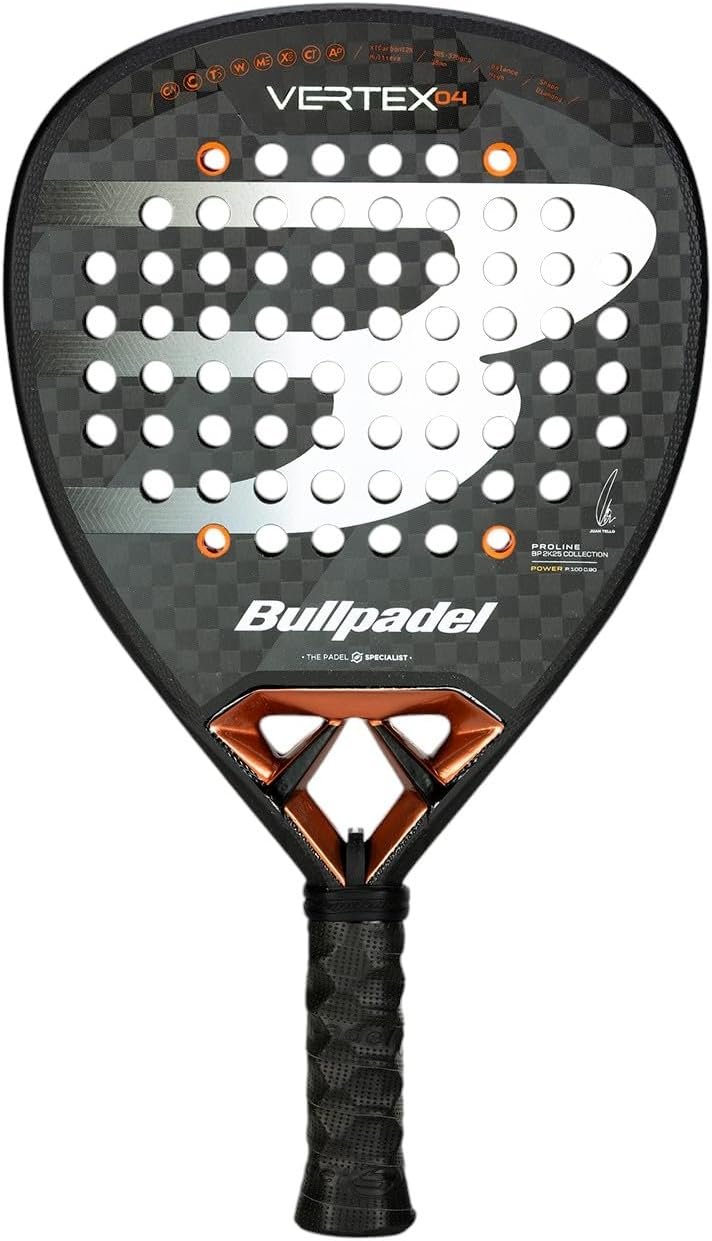
BULLPADEL Padel Racket Vertex 04 2025 Juan Tello | Professional Diamond Shape Pala Padel | Xtend Carbon 12K & MultiEva Core | Curvaktiv & Air Power Frame...
Pick a round shape with a low-to-medium balance when your priority is accuracy under pressure: it places more mass closer to the hand, improves handling, and makes defensive resets and controlled lobs repeatable. For 2025–2026 options on Amazon, shortlist the NOX AT10 Luxury Genius 18K Alum (2025), Adidas Metalbone Carbon CTRL (2025), and Bullpadel Vertex CTR (2025)–all designed to maximize touch and stability rather than raw power.
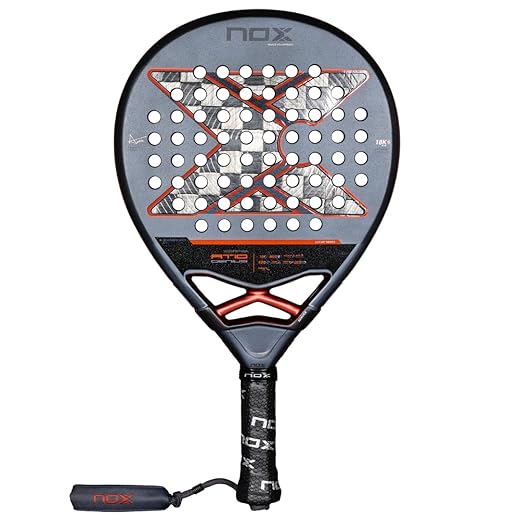
Padel Racket AT10 Genius 18K Alum by Agustin Tapia 2025 | Luxury Teardrop Pala Padel | Enhanced EOS Flap & NOX Custom Grip Technology Dual Texture Spin...
The main advantage is a larger, easier-to-find sweetspot that reduces mishits on late volleys and stretched pickups. A round head and softer-to-medium core typically deliver cleaner ball output at lower swing speeds, so your blocks, chiquitas, and directional volleys land deeper with less effort. If you often defend from the back glass or build points with placement, this profile improves defense without sacrificing shot variety.
Look for specific specs that translate directly to match results: a balanced drilling pattern for consistent rebound, an anti-vibration system to keep touch sharp on off-center contact, and a textured face if you rely on spin to steer accuracy. Prioritize maneuverability with a lighter 355–365 g setup (including overgrip) for quick exchanges at the net; move toward 365–375 g only if you need extra stability on hard-driven balls.
Choose this style if your rally plan depends on placement: controlled bandejas, tight wall exits, and reliable lobs that buy time to recover. Skip it if your main scoring pattern is constant flat finishing–diamond or head-heavy options will produce easier pace, but they typically trade away precision and forgiving sweetspot geometry.
Control (Precision) Padel Racket: Definition, Benefits, Key Features & When to Choose One
Pick a round-shaped 2025–2026 model with a centered balance if your priority is reliable placement and fewer unforced errors; this profile boosts maneuverability, enlarges the sweetspot, and improves accuracy on slower, tactical rallies.
A precision-focused frame is built to keep the ball “on the face” longer, so you feel more touch on blocks, lobs, and short angles. Expect easier timing in defense: compact swings stay stable at the net, and you can redirect pace without overhitting. For most intermediate players, a weight range around 355–370 g and a medium/soft EVA core typically gives the best mix of comfort and precision, while still offering enough punch for controlled volleys.
Look for these practical specs that translate directly into match results: a round head for a bigger sweetspot, a medium or slightly head-light balance for fast hand changes, and a textured face (3D/rough finish) if you want extra bite on slices without sacrificing accuracy. If you play frequent glass rebounds, prioritize a frame with strong torsional stability (carbon frame, reinforced throat) to keep precision on off-center contacts and improve defense consistency.
Choose this style if you win points through placement, transitions, and countering rather than raw power: you’ll feel the gain in maneuverability on quick volleys, the extra touch on drop shots, and the safer margin on deep lobs. If you often miss long or struggle to control direction under pressure, switching to a round option with a forgiving sweetspot is usually the fastest way to raise accuracy week to week.
| Padel Racket Model | Why it fits precision play | Player fit |
|---|---|---|
| HEAD Speed Motion 2025 | Fast maneuverability, predictable balance, clean response for touch and accuracy | Intermediate–advanced, agile net play + solid defense |
| Nox ML10 Pro Cup (2025 edition) | Round shape, generous sweetspot, easy precision on blocks and lobs | All levels seeking fewer errors and better placement |
| Adidas Metalbone CTRL 3.4 (2025) | Structured feel with strong accuracy, stable on volleys, confidence in defense | Intermediate–advanced who like a firmer response |
What a Control/Precision Padel Racket Means in 2025–2026
Choose a round, mid-balance frame with a large sweetspot and medium EVA if your priority in 2025–2026 is accuracy on volleys, lobs, and safer defense under pressure. For most intermediate players, the most reliable spec target is 355–370 g, a round head, and a balance around 25.5–26.5 cm: it keeps handling fast at the net while still giving stable blocks from the back glass.
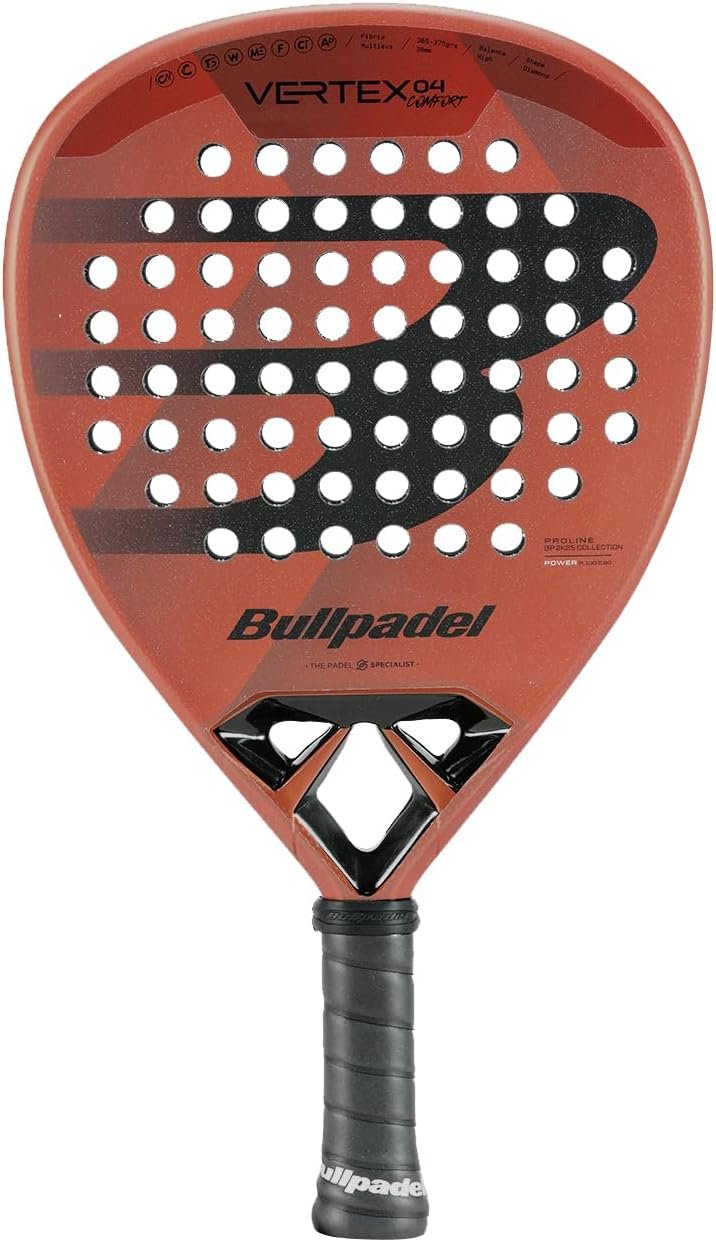
BULLPADEL Padel Racket Vertex 04 Comfort 2025 | Professional Diamond Shape Pala Padel | Curvaktiv & Air Power Technology | Fibrix Hybrid Fiber & MultiEva...
In the newest 2025–2026 lines on Amazon, “precision-oriented” models usually combine carbon face layers (3K–12K) with a softer core to protect touch on drop shots and reduce shock on off-center hits. Examples to search on Amazon include Nox AT10 Genius 12K (2025), HEAD Speed Motion (2025), and Bullpadel Vertex 04 Comfort (2025). Look for marketing terms like “soft/comfort EVA” or “hybrid foam” if you want easier depth control; pick a firmer core if you hit flat and want a crisper response for counterattacks.
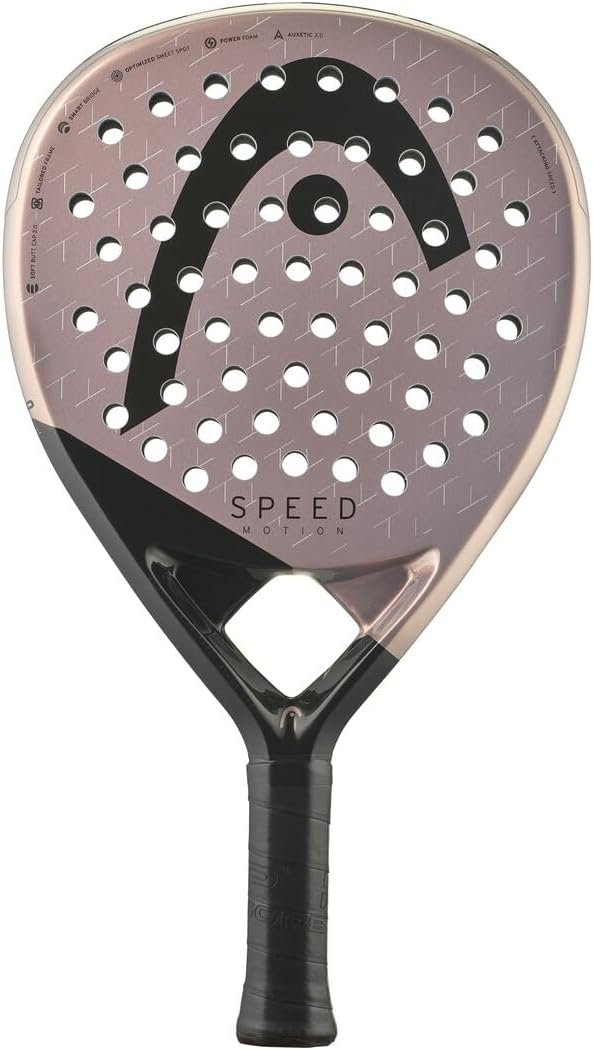
HEAD Speed Padel Racket Paddle Series (Pro, Pro X, Motion, Elite, ONE, ONE X, Team)
For handling and maneuverability in fast exchanges, prioritize a smoother swing weight rather than chasing the lightest number on the label. A 360–365 g build with a slightly lower balance often feels quicker than a 350 g option with a high balance. If you struggle with late contact, a round geometry plus a generous sweetspot will help keep accuracy consistent even when you defend with short swings near the glass.
For defense-focused play in 2025–2026, pick surfaces that keep the ball on the face a fraction longer–this improves touch on chiquitas and controlled resets. Textured finishes can add bite, but avoid overly aggressive roughness if you tend to over-spin and lose length control. A clean, predictable face plus stable balance is usually better for repeatable placement than “maximum grip” claims.
How “control” differs from power in real match scenarios
Choose a round, low-to-medium balance frame when rallies get fast at the net and you must place the ball within a 30–50 cm window; pick a harder, head-heavier option only if you reliably finish points with 3–5 decisive hits per game. In real match play, “control” shows up as repeatable precision and accuracy under pressure, not as slower speed.
In defensive corners, control-focused gear gives better handling and maneuverability for late contact. When you’re stretched and hit off-axis, a forgiving sweetspot reduces the “dead drop” errors that hand points away. You’ll notice it most on lobs and soft resets: a cleaner touch helps keep the ball deep (back glass) instead of floating mid-court for an easy smash.
- Corner defense → safer exits: round shape + stable balance lets you block and guide the ball cross-court with higher accuracy.
- Net exchanges → earlier prep: superior maneuverability helps win hands battles; you can change direction late without losing handling.
- Transition shots → fewer gifts: a larger sweetspot keeps precision even if contact is slightly toward the frame.
Power-oriented builds earn points when you have time and space: overheads, high volleys, and short balls. The tradeoff is tighter margins–mis-hits fly long or sit up. If your match stats show frequent unforced errors on bandejas/viboras, downshift to a more control-leaning setup and focus on placement: aim 1–1.5 m inside the line until your accuracy stabilizes.
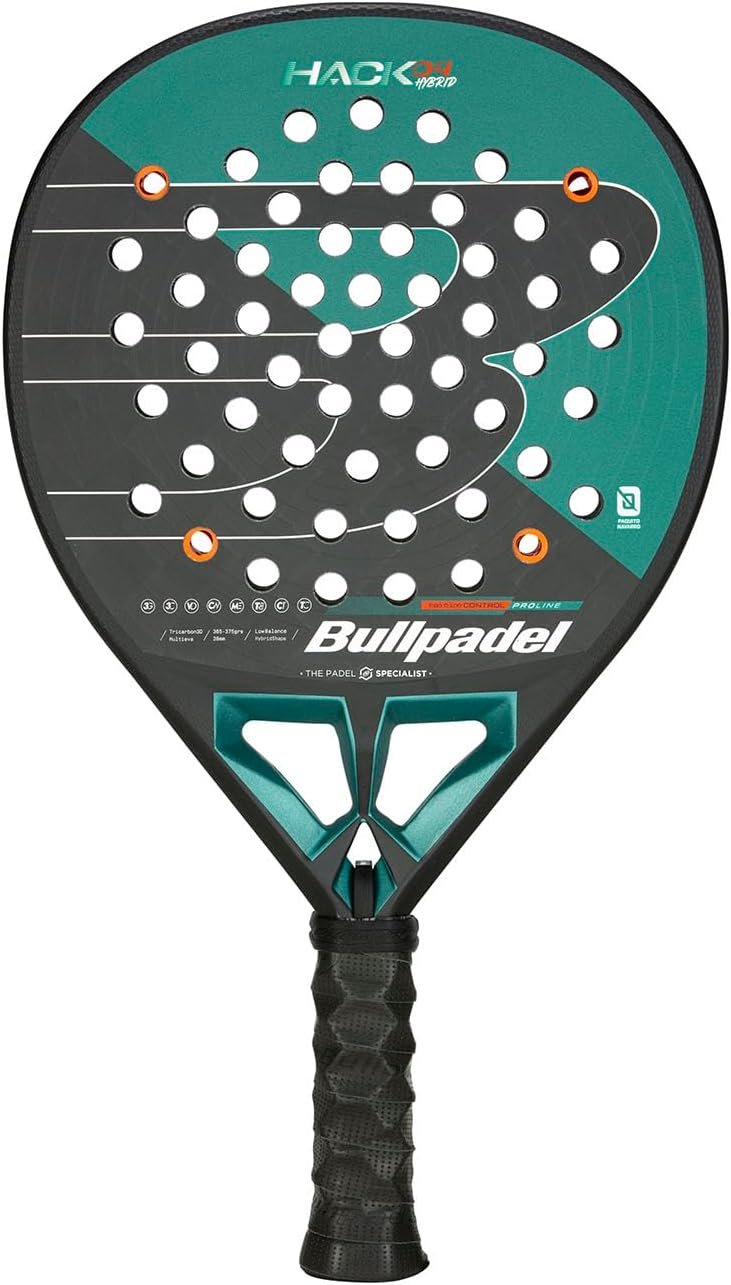
BULLPADEL Padel Racket HACK 04 Hybrid 2025 Paquito Navarro | Professional High Balance Pala Padel | TriCarbon 3D & MultiEva Core | Channel Aerodynamics &...
- If opponents rush the net: prioritize touch and handling for low volleys and angled blocks.
- If you win on smashes: keep power, but ensure the balance doesn’t slow your maneuverability on quick returns.
- If you play long rallies: pick a round head with a generous sweetspot to maintain precision in the third set.
2025–2026 Amazon picks that fit this match logic: HEAD Speed Motion 2025 (quick maneuverability and easy handling for net play), Bullpadel Hack 04 Hybrid 2025 (hybrid shape for balanced precision + finishing ability), Nox AT10 Genius 18K 2025 (clean touch with reliable accuracy across the face), Adidas Metalbone Carbon 3.4 2025 (strong output, but needs good timing to keep precision).
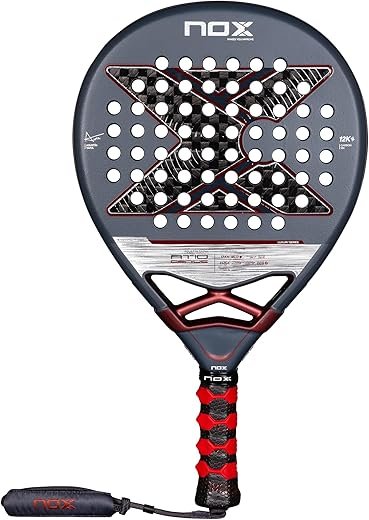
Padel Racket AT10 Genius 12K by Agustin Tapia 2025 | Luxury Series Teardrop Pala Padel | EOS Flap Aerodynamics & Custom Grip Technology | Carbon with MLD...
Why brands label some models “precision” and what it signals
Choose a “precision” model if you want tighter shot placement on volleys and lobs: the label usually signals a smaller, more focused sweetspot, a cleaner touch on contact, and a head shape tuned for accuracy rather than raw power.
In 2025–2026 lines, brands typically reserve “precision” naming for gear built with a slightly lower or centered balance to keep the face stable and predictable under pressure. That balance improves handling in fast exchanges and boosts maneuverability for quick direction changes at the net. Expect firmer carbon layouts or reinforced frames that reduce face twist on off-center hits, so the ball goes where you aim instead of drifting wide.
On Amazon, look for recent “precision”-leaning releases like the adidas Metalbone Carbon CTRL 3.4 (2025), Bullpadel Vertex 04 CTR (2025), NOX AT10 18K (2025), and Head Speed Motion (2025). These models are commonly picked for defense because their response stays consistent on blocks and counterattacks. The practical check: if a listing highlights “low balance,” “reduced vibration,” and “faster handling,” it’s usually a precision-oriented build even if the product name varies.

Adidas Metalbone Carbon Ctrl 3.4 2025 Padel Racket One Size
Reading spec sheets helps you decode the label: a compact sweetspot plus firm faces often means sharper accuracy but demands cleaner technique; a slightly softer face keeps touch easier and expands the usable area for late reactions. For doubles, prioritize maneuverability and stable handling; for baseline play, favor a controlled rebound that keeps depth predictable during defense-to-attack transitions.
Typical playstyle outcomes: placement, tempo management, error reduction
Pick a round 2025–2026 model with medium-soft foam and a low-to-mid balance if your goal is reliable placement under pressure: you’ll gain easier handling at the net and steadier defense from the back glass without overhitting. Examples on Amazon often labeled as 2025/2026 refreshes include Babolat Counter Veron 2.5 (2025), Bullpadel Vertex/Elite lines in their 2025 editions, and Nox ML10 series updates–look for descriptions mentioning “round,” “soft feel,” and “low balance” to lock in consistent touch on volleys and lobs.
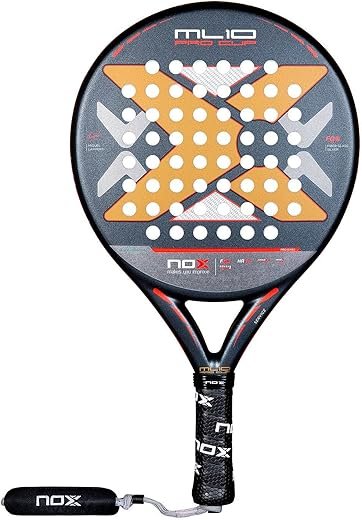
Padel Racket ML10 Pro Cup Rough Surface Edition by Miguel Lamperti 2025 | High-Performance Pala Padel | Carbon Frame & HR3 Core | Rough Sand Finish for...
Placement: Aim to win points with angles and depth, not speed. A round head boosts maneuverability, so you can guide the ball late and still keep accuracy to the side fence. Practical targets: play 6–8 of 10 cross-court shots landing within the last 1.5 meters before the back glass; on volleys, prioritize “to-the-feet” placement (bounce within 0.5–1.0 m in front of the opponent) to force a lifted reply. The combination of balance + touch makes drop volleys and soft chiquitas easier because the face stays stable through contact and the ball doesn’t jump long.
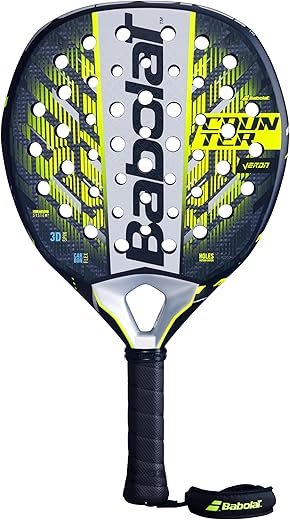
Babolat Counter Veron 2.5 Padel Racket
Tempo management: Use slower, heavier balls to reset rallies, then accelerate only when the opening is clear. With good handling, you can change rhythm by switching between a deep lob (high arc, landing close to the back glass) and a firm, flat volley to the middle gap. A simple rule: if you’re late to the ball, choose height and depth; if you’re early and set, choose angle. This approach improves defense because you stop “trading power” and start dictating where the next shot must go.
Error reduction: Reduce unforced mistakes by keeping swing size smaller and letting precision do the work. For volleys: compact swing, contact in front, and finish toward your target line–this keeps accuracy high even during fast exchanges. For back-glass retrievals: open the face slightly, prioritize lift over pace, and aim center-right/center-left (safer margins) instead of the sideline. A practical benchmark: if you’re missing more than 3 balls per game into the net, increase net clearance by ~20–30 cm and use a softer touch; if you’re missing long, shorten follow-through and choose more spin.
Common misconceptions: “control = low power” and when it’s not true
Choose a modern round-shaped frame with a medium EVA core and a carbon face if you want accuracy without sacrificing punch: it keeps the sweetspot large for consistent depth, yet still transfers enough energy for fast volleys and overheads. The myth “control = low power” is only true for older, very soft foams and low-density faces that absorb impact; 2025–2026 builds use stiffer layups and optimized drilling patterns that return speed while preserving precision.
Power depends more on balance and face stiffness than on “control-oriented” geometry. A slightly higher balance (but not head-heavy) can add free pace while maintaining clean handling–especially if the frame stays around 360–375 g and uses a reinforced bridge for stability. If you’re losing power, it’s often because you’re contacting outside the sweetspot; a round profile plus a textured face helps you keep the ball on the strings longer for better touch and reliable acceleration.
Situations where “control = low power” is not true: (1) you play aggressive transitions and need fast blocks–stability boosts speed on short swings; (2) your technique already creates racquet-head speed–then precision simply makes that speed land in; (3) you rely on defense lobs–round heads with a wide sweetspot send the ball deeper even at low preparation. In all three, the goal is not “less power,” but predictable output with better accuracy.

HEAD Speed Padel Racket Paddle Series (Pro, Pro X, Motion, Elite, ONE, ONE X, Team)
Amazon 2025–2026 examples that keep power while improving placement: adidas Metalbone Carbon 3.4 (2025) for stiff response and crisp touch, NOX AT10 Luxury Genius 18K Alum (2025) for strong handling and stable blocks, and Bullpadel Vertex 04 (2025) if you want explosive finishes without losing precision. For a more forgiving round option that still hits hard, look at the HEAD Speed Pro (2025)–its wide sweetspot helps you keep pace even under pressure.
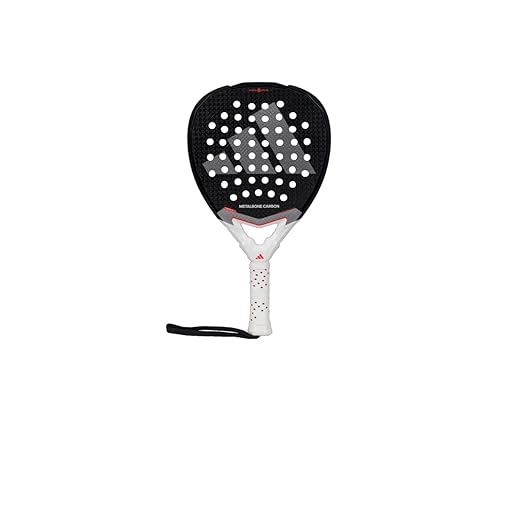
Adidas Metalbone Carbon 3.4 Padel Racket 2025
Key Design Features That Create Control
Pick a round head shape if you want higher accuracy on slower, placement-first shots: it naturally pushes the sweetspot closer to the center, so off-center hits lose less precision. On Amazon’s 2025–2026 lineups, look for round options such as HEAD Speed Motion 2025 or Babolat Counter Vertuo 2.5 (2025)–both are tuned for clean, repeatable ball output rather than raw power spikes.

Babolat Counter Vertuo 2.5 Padel Racket
Prioritize a medium-to-low balance point (often described as “head-light” or “even”) to improve maneuverability at the net and faster handling in defensive blocks. This setup helps you adjust the face angle late, which directly boosts accuracy on volleys and lobs. If you’re comparing specs, choose frames that feel quick in short swings and don’t drag your wrist through fast exchanges.
Choose a softer core (commonly labeled EVA Soft or similar) if you want better touch in drop shots and controlled chiquitas. A softer feel increases dwell time–giving you more precision in direction and height–while reducing rebound “jump” that can send balls long. For 2025–2026 Amazon picks, models like the Wilson Blade v3 (2025) are often selected by players who value consistent touch over explosive output.

Wilson Blade Padel Rackets
Surface and face materials matter: a 12K/18K carbon face usually feels crisper for line-hitting precision, while fiberglass faces tend to add comfort and a more forgiving sweetspot. For players focused on placement, pick a lightly textured surface (fine sand or subtle 3D pattern) to add spin without making the contact too “grabby,” keeping accuracy stable during fast handling moments.
FAQ: The Control Padel Racket Guide
Q1: What exactly is a “control” padel racket, and how is it different from a “power” racket?
A control racket is engineered for precision, consistency, and tactical placement over sheer power. Its key differentiators are a round or teardrop shape, a lower balance point for better maneuverability, a larger and more forgiving sweetspot, and often a softer core (like EVA Soft). This design helps with accurate volleys, deep lobs, and reliable defense. A power racket, in contrast, typically has a diamond shape, a head-heavy balance, and a harder core to maximize smash speed and offensive power, often at the cost of control and a smaller sweetspot.
Q2: I’m an intermediate player who makes too many unforced errors. Will switching to a control racket really help?
Yes, absolutely. A control racket is specifically designed to reduce errors. Its larger sweetspot makes off-center hits more forgiving, and its balanced, maneuverable design helps you make cleaner contact under pressure. This leads to more consistent shot placement, especially on defensive shots, volleys, and lobs. It won’t fix technique, but it provides a more forgiving and stable platform, allowing you to focus on accuracy and build confidence during rallies.
Q3: Are control rackets only for defensive or beginner players?
Not at all. While they are excellent for beginners and defensive-style players, many advanced and professional players use control-oriented rackets. The modern “control” racket for 2025–2026 often features advanced carbon faces and hybrid technologies, providing exceptional touch and precision without sacrificing all power. They are ideal for players who win points through smart positioning, angled shots, and tactical play rather than relying solely on overpowering smashes.
Q4: What are the most important specs to look for when choosing a control racket?
Focus on these three key specifications:
-
Shape: Prioritize a Round shape for the largest sweetspot and best defensive control.
-
Balance: Look for Low-to-Mid balance (often described as “even” or “head-light”). This improves handling and quick reactions at the net.
-
Weight: A weight range of 355–370 grams (with overgrip) offers the best blend of stability for blocks and maneuverability for fast exchanges.
Q5: Can a control racket still provide enough power for offensive shots like bandejas or viboras?
Yes, modern control rackets are not “low-power.” While they prioritize precision, models with carbon faces (like 12K or 18K) and optimized drilling patterns transfer energy efficiently. You generate power through technique and racket head speed. A control racket provides predictable power—it helps you place your attacking shots with accuracy and depth, turning potential errors into winning placements. For players with good technique, it offers ample power for finishing points, just with a greater margin for error.




No Comment! Be the first one.