


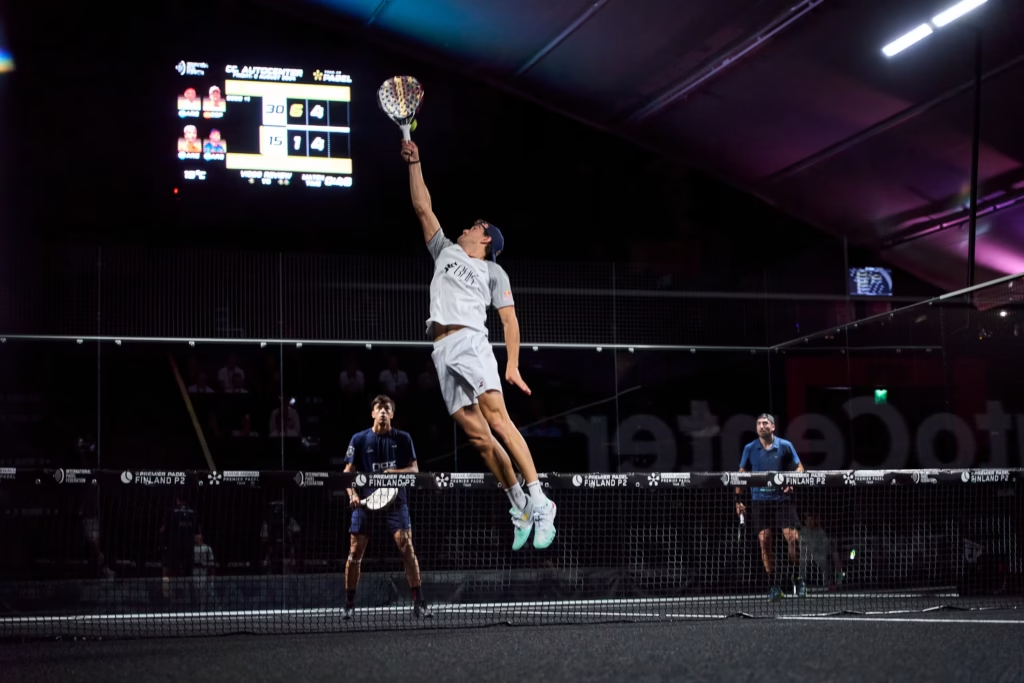
Effective management of training regimens remains crucial for enhancing the performance of athletes in their formative years. A recent study highlighted the need to focus on individual movement patterns and skill acquisition to mitigate poor outcomes in aspiring athletes. By implementing structured practices, licensed coaches can guide players through specific drills that embody essential techniques, such as the backhand stroke.
Table Of Content
- Understanding Training Load Injuries and Well-Being in Youth Padel Players
- Insights from a Cross-Sectional Study
- Exploring the Relationship Between Training Load and Injury Risk
- Assessing Psychological Well-Being in Young Athletes
- Identifying Key Indicators of Adaptability in Padel Players
- Practical Strategies for Monitoring Training Load
- How to Promote a Balanced Sport Experience for Youth
- Question-answer
- What is the main purpose of the study on training load injuries and well-being in youth padel players?
- What were the key findings regarding training load and its impact on injuries in the study?
- How does the study address the well-being of young padel players?
- What recommendations do the researchers provide for coaches and trainers based on this study?
- What implications does this research have for the training practices of youth athletes in general?
- What factors contribute to training load injuries in youth padel players?
- Monitor and individualize training load to prevent spikes in intensity that raise injury risk and reduce well-being.
- Include structured recovery, varied session intensities, and regular assessments to balance performance and injury prevention.
- Address psychological well-being through mindfulness, communication, and player-centered routines alongside physical monitoring.

The research conducted in Sweden provided valuable insights into the population of young racquet sport enthusiasts, revealing a median training frequency that often correlates with intensive activity. Coaches are encouraged to utilize tools that not only track these levels but also facilitate a reflective reset of training priorities. This adjustment may include reducing the overall intensity of exercises to promote recovery and skill development.
As pointed out by Steve, a key contributor to the study, practitioners must adopt various ways to monitor athlete progress effectively. A systematic collection of data about training loads can shed light on common areas of concern, allowing for timely interventions. Recognizing that early adjustments are necessary can lead to true improvements in fitness and technique, ultimately benefiting the overall competitive landscape.
Understanding Training Load Injuries and Well-Being in Youth Padel Players
To enhance performance while minimizing risks, professionals should focus on assessing the training regimen for young athletes. Using metrics like session intensity and duration can help in identifying the right balance. Different training intensities, when structured properly, can lead to optimal progression and reduced injury rates.
For instance, planning training sessions over the weekend with varied exercise intensities can pave the way for better recovery and adaptation. At this site, coaches should emphasize small-sided games and specific drills that engage players without excessive physical strain. These pathways ensure that young athletes develop their skills while maintaining health.
Initial assessments should involve monitoring how players respond to various workloads. It’s crucial to establish associations between volume and intensity to prevent overexertion. If players are exposed to high-intensity contact drills without adequate recovery, the risk of injuries rises significantly.
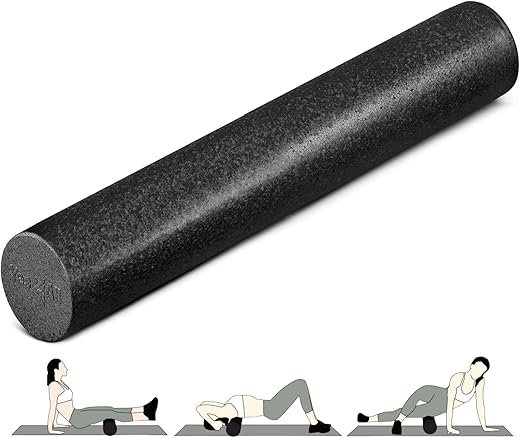
While observing different training phases, implementing rest days and lighter sessions can be incredibly beneficial. For example, one can explore products like foam rollers or resistance bands available on Amazon to help players enhance flexibility and recovery on off days.
Coaches and trainers can also promote wellness through proper hydration and nutrition. Encouraging athletes to stay hydrated, especially after intense practices, plays a right role in performance and overall health. Integrating these practices can significantly impact their ability to compete effectively.
Insights from a Cross-Sectional Study
To minimize musculoskeletal issues among young athletes, it’s crucial to focus on player-centred practices that enhance movement patterns. For instance, the integration of strength training and flexibility exercises can address these concerns effectively. Programs implemented in Sweden have shown promising results in reducing injury risks while improving overall performance.
In France, structured warm-up routines are a vital component that coaches should invest in. These routines do not just prepare players physically but also involve decision-making aspects, helping boys understand their body mechanics better during gameplay. Simple drills can contribute significantly to their overall skill development and health.
Especially for younger boys, instilling a strong foundation in movement efficiency is important. They often engage in varying environments – from courts to recreational spaces. Ensuring that they are trained in these different settings will benefit them in adapting their skills accordingly. As a part of their training regimen, consider incorporating agility drills and plyometric exercises that can elevate their athleticism.
Coaches and trainers must not forget the importance of monitoring workload. A balanced approach that isn’t overly taxing can help prevent burnout and injuries. Adapting practices based on the individual needs of each player is essential. For tools that assist in monitoring physical conditions, consider products such as the Fitbit Charge 6 for tracking activity levels, or Theraband Resistance Bands for strength training exercises tailored to the players’ requirements.

| Product | Description |
|---|---|
| Fitbit Charge 6 | Activity tracker focusing on heart rate and movement |
| Theraband Resistance Bands | Great for strength training and rehabilitation |

Fitbit Charge 6 Fitness Tracker with Google apps, Heart Rate on Exercise Equipment, 6-Months Premium Membership Included, GPS, Health Tools and More,...
By prioritizing these strategies in training environments, coaches can ensure that young athletes are well-equipped to handle the physical demands of their sport. The goal is to create a holistic approach that not only excels in performance but also addresses the well-being of each individual player.
Exploring the Relationship Between Training Load and Injury Risk
In analyzing the association between training intensity and injury incidence, one must note that sex-specific factors can play a crucial role. Data from various studies indicate that young athletes exhibit diverse risk patterns based on their sex, highlighting the need for tailored approaches. For instance, it’s vital to monitor flexibility levels closely, as this can alter the pressure placed on joints and muscles.
One article authored by Steves suggests that implementing a systematic approach to curation can mitigate risks. This means adjusting routines to account for individual differences while ensuring that no athlete exceeds their capacity over a given year. Athletes training too intensely without adequate recovery may feel that they can push through, yet this mentality isn’t always sustainable.
The critical question remains: how do we balance the demands placed on young athletes? Evidence shows that incorporating specific recovery periods during the week can significantly lower injury risks. Programs that are attentive to these variances not only foster athletic performance improvements but also prioritize long-term health.
For example, products like the TheraBand FlexBar or resistance bands available on Amazon can aid in developing strength while enhancing flexibility, which is essential for preventing strains and sprains. Additionally, focusing on holistic training systems that encompass nutrition, mental wellness, and physical care is vital, ensuring young athletes thrive across all dimensions of their sport.

Assessing Psychological Well-Being in Young Athletes
To enhance mental health in young sports enthusiasts, integrating structured drills that focus on both skills and enjoyment is essential. Incorporating activities like teamwork exercises can significantly improve overall mood and motivation. It’s crucial to create personalized schedules that allow for flexibility, ensuring that athletes don’t feel overwhelmed.
Utilizing specific methods like mindfulness practices can also be beneficial. These techniques help young athletes cope with stress and anxiety, which can sometimes lead to physical issues. For example, engaging in short meditation sessions during training can enhance focus and reduce the risk of burnout. Recommendations include setting aside just 10 minutes before practice for these exercises.
Regular assessments of psychological states are relevant for tracking progress. Utilizing simple surveys or questionnaires can help gauge mood changes over time and identify potential areas needing more attention. The mean scores can provide insights into the effectiveness of current practices. An example product that may aid this process is the “Mental Toughness For Young Athletes” found on Amazon, which offers engaging ways to track feelings and set goals.

Mental Toughness For Young Athletes: Eight Proven 5-Minute Mindset Exercises For Kids And Teens Who Play Competitive Sports
Understanding the potential causal relationships between mental health and physical injuries is vital. Athletes who experience heightened stress may be more prone to injuries. Therefore, focusing on psychological aspects, alongside physical training, is essential. Parents and coaches should ensure a balanced routine that prioritizes mental conditioning, like positive reinforcement practices, to build resilience in young athletes.
Ultimately, fostering a supportive environment with regular feedback can significantly contribute to the physiological and psychological growth of young participants. Investing time in creating a culture that values mental health paves the way for both successful athletic performance and improved well-being.
Identifying Key Indicators of Adaptability in Padel Players
To enhance adaptability, players should focus on flexibility exercises that target the footankle region. A good routine might include stretches for calf muscles and ankle mobility drills. This can help reduce the difference in performance levels during high-intensity games. Coaches can implement weekly sessions dedicated to these important aspects, guiding athletes through specific упражнения.
Tracking progress objectively is crucial. For instance, players should spend time noting their levels of усталости after practices and matches. Establishing a system of abbreviations, such as low (L), moderate (M), or high (H) fatigue, can assist trainers in assessing athletes’ response to training loads. By identifying trends, coaches can adjust sessions to meet each athlete’s unique needs.
Involving boys in activity while also ensuring they stay committed can be achieved through fun practices. Games that incorporate agility and strength not only keep engagement high but also build necessary resilience over time. Tools available on Amazon, such as agility ladders or resistance bands, can facilitate such training while allowing coach to monitor flexibility improvements effectively.

Ultimately, fostering a culture of adaptability requires regular reflection and open communication between the athlete and coach. Establishing clear objectives and encouraging discussions about fatigue helps in creating a supportive environment, driving players towards long-term commitment.
Practical Strategies for Monitoring Training Load
To effectively manage the physical demands on young athletes, coaches and parents should prioritize the use of wearable devices that track activity levels. These gadgets provide data on the duration and intensity of sessions, allowing them to adjust the training according to each athlete’s needs. For instance, a heart rate monitor can help identify when a player is exerting themselves too hard during games. This information is critical for maintaining a healthy fitness journey.

WHOOP 5.0/MG Activity Tracker - 12 Month Membership - Health and Fitness Wearable – 24/7 Activity and Sleep Tracker, Personalized Coaching, Menstrual Cycle...
Incorporate a consistent routine by scheduling evaluations at regular intervals. This ensures that they can monitor progress and make informed decisions based on the feedback collected. Using charts to visualize these metrics, such as duration of practice sessions and periods of rest, can make it easier to identify trends and adjust workloads accordingly. Encourage players to reflect on their performance and feelings post-training; qualitative feedback can complement quantitative data.
Try implementing a buddy system where they can partner with teammates to check in with one another. This not only promotes a sense of teamwork but also allows them to share insights on their experiences during training. Questions like “How did you feel after today’s session?” can open discussions on fatigue and recovery, which are crucial for maintaining adaptability and resilience.
- Consider investing in products that enhance recovery, such as foam rollers available on Amazon.
- Explore technical training tools like agility ladders or resistance bands, which aid in skill development while accommodating different sizes and abilities of athletes.
- Look for apps or platforms that allow tracking of progress over time, which can be beneficial for keeping an overview of each player’s individual progress.
Ultimately, being proactive about monitoring physical exertion will significantly contribute to the players’ long-term success. Regularly updating training plans based on collected data ensures that they are always working within a healthy range, benefiting both performance on the court and overall well-being.
How to Promote a Balanced Sport Experience for Youth
To achieve a balanced sport experience, it’s essential to develop programs that focus on flexibility and variety. Each game should provide opportunities for young athletes to explore different skills while enjoying their sport. Consider integrating multi-sport sessions that allow players to engage in various activities, which can enhance their overall athletic knowledge and capabilities.
When coaching, it’s crucial to identify the individual needs of each participant. Utilize effective assessments as an instrument to gauge physical and emotional load. This approach ensures that training sessions are tailored to fit the unique abilities and goals of every player. For instance, incorporating platforms that track performance data can help coaches refine their strategies based on concrete evidence.
Swedish programs have shown that engaging youth in a range of sports can contribute significantly to their long-term enjoyment and fitness levels. By promoting diverse activities, the risks associated with overuse injuries diminish, allowing students to cultivate a healthy relationship with sports. Noon practices, for example, can be a great way to attract kids, optimizing their energy levels for optimal performance.
To enhance the experience, sports organizations can partner with local agencies to provide additional services such as workshops on mental well-being or athletes’ rights. These resources ensure that participants feel supported and empowered, making a noticeable difference in their overall satisfaction and development. Engaging with communities can also foster a supportive population that encourages youth to enjoy participating in sports without undue pressure.
Finally, promoting a balanced experience includes creating competitive yet friendly environments. Games should prioritize fun and learning over winning at all costs. This philosophy nurtures a healthier mindset and motivates young players to embrace their passion for sports, laying the foundation for lifelong involvement. Check out products like the Totto T200 Mixed Sports Ball on Amazon for a perfect start, as it caters to various types of games and activities.
Question-answer:
What is the main purpose of the study on training load injuries and well-being in youth padel players?
The main purpose of the study is to investigate the relationship between training load, injuries, and overall well-being among youth padel players. It aims to provide insights into how different levels of training intensity and volume can influence the occurrence of injuries and affect the mental and physical health of young athletes.
What were the key findings regarding training load and its impact on injuries in the study?
The study found that higher levels of training load were associated with an increased risk of injuries among youth padel players. Specifically, it indicated that players who experienced significant spikes in their training intensity were more likely to sustain injuries compared to those with more stable training patterns. This suggests that managing training load is crucial for preventing injuries in young athletes.
How does the study address the well-being of young padel players?
In addition to examining injuries, the study explored the overall well-being of the players, which includes both physical and mental health aspects. It was found that players who encountered higher training loads reported lower levels of well-being. This highlights the importance of balancing training intensity and ensuring that players do not become overwhelmed, which can lead to both physical injuries and mental fatigue.
What recommendations do the researchers provide for coaches and trainers based on this study?
The researchers recommend that coaches and trainers carefully monitor and adjust the training loads for youth padel players to minimize the risk of injuries and promote well-being. They suggest implementing a structured training plan that includes gradual increases in load, regular assessments of players’ physical conditions, and open communication about any signs of stress or discomfort experienced by the athletes. These practices can help maintain a safer and more supportive training environment for young players.
What implications does this research have for the training practices of youth athletes in general?
This research has significant implications for the training practices of youth athletes beyond padel. It emphasizes the necessity of individualizing training loads based on the athlete’s unique circumstances, considering factors such as age, experience, and physical condition. By adopting such tailored approaches, trainers and coaches in various sports can enhance the safety and overall performance of young athletes, while also safeguarding their physical and mental health.
What factors contribute to training load injuries in youth padel players?
The study identifies several factors that can lead to training load injuries in youth padel players. These factors include the intensity and duration of training sessions, the frequency of competitions, and the players’ physical preparedness. Additionally, inadequate recovery time between sessions, poor training practices, and an unbalanced approach to conditioning can further increase the risk of injuries. Coaches and trainers need to monitor these variables closely to ensure the well-being of young athletes.



This article provides valuable insights into the importance of individualized training regimens for young athletes. Focusing on movement patterns, skill development, and monitoring workload can greatly benefit their performance and overall well-being.
It’s crucial for coaches and trainers to prioritize monitoring training load and well-being to prevent injuries and promote overall athlete development. Balancing intensity and variety in training programs is key to ensuring the long-term success and enjoyment of young athletes.
I agree with the importance of prioritizing mental health in young athletes. It’s crucial to focus on both physical and psychological well-being to ensure overall success and longevity in sports.