



Engaging in activities such as padel can be an effective way to improve overall well-being, particularly regarding cardiovascular health and muscle tone. Regular participation in this sport not only fosters physical improvement but also serves as an enjoyable outlet for stress relief. Many individuals have experienced acute gains in fitness levels, making this activity increasingly popular across diverse demographics.
Table Of Content
- 📱 Physical Benefits of Playing Padel
- Understanding Padel and Its Growing Popularity
- What Makes Padel Distinct from Other Racket Sports?
- Demographics: Who Is Playing Padel?
- The Role of Padel in Urban Fitness Trends
- Physical Benefits of Padel on Flexibility and Mobility
- How Padel Enhances Joint Flexibility
- Impact on Muscle Mobility and Recovery Times
- Question-answer
- What are the main health benefits of playing padel?
- What challenges do players face when trying to incorporate padel into their fitness routines?
- Are there any limitations to the fitness benefits that padel offers?
- How does padel compare to other racquet sports in terms of health benefits?
- What future trends could influence the role of padel in fitness and health?
- What are the physical benefits of playing padel?
- Padel improves cardiovascular health, muscle strength, flexibility, and overall physical conditioning through dynamic, court-based movements.
- Technology and apps expand accessibility, simplify matchmaking, and boost daily engagement and motivation among players.
- Inclusive community and varied skill levels foster social connection, self-esteem, and long-term participation.
- Padel complements urban fitness trends but should be combined with strength and aerobic training for a complete regimen.


Furthermore, considering the advancements in technology, the accessibility of padel leagues has dramatically increased. Social platforms and mobile applications have been developed, allowing players to connect, schedule matches, and organize tournaments. This integration of technology enhances the experience, drawing in participants who might otherwise feel disconnected from traditional sports. Authors suggest that this modern approach encourages daily engagement, boosting self-esteem and motivation to stay active.


The focus on making the sport inclusive has led to a broader community where everyone, regardless of skill level, can enjoy the game. Many players have noted personal improvement in their skills, which contributes to a greater sense of accomplishment. This progression can lead to enhanced self-worth, particularly for those who may struggle in more competitive environments. By smashing through barriers and embracing padel as a viable form of exercise, individuals can create a positive cycle of health and enjoyment.
📱 Physical Benefits of Playing Padel
| Benefit | What It Improves | Why It Matters | ||
|---|---|---|---|---|
| Cardiovascular Fitness | Heart & lungs | Improves endurance and overall stamina | ||
| Muscle Strength | Legs, core, arms | Builds functional, balanced strength | ||
| Flexibility | Joints & muscles | Reduces stiffness and injury risk | ||
| Coordination | Hand–eye, balance | Enhances reaction speed and precision | ||
| Agility | Lateral movement | Supports fast direction changes | ||
| Weight Management | Calorie burn | Helps maintain healthy body weight | ||
| Joint Health | Knees, hips, shoulders | Low-impact play is easier on joints | ||
| Mental Well-Being | Stress reduction | Boosts mood and mental clarity | ||
| Social Health | Interaction & motivation | Encourages consistency and enjoyment |
Understanding Padel and Its Growing Popularity
Current trends revealed a significant rise in interest towards this sport, attributed to its unique blend of fun and physical engagement. Participation in local leagues shows an excellent increase in the number of players eager to join. According to recent statistics, the growth rate is anticipated to continue, indicating a promising future.
One of the primary reasons for this phenomenon is the balanced nature of gameplay, which offers various levels of challenge for players of all skill sets. This aspect makes it appealing to a wide audience, from casual enthusiasts to competitive athletes. An article published in a leading sports magazine identifies the perfect balance of cardio and strength training involved, making it suitable for maintaining fitness while enjoying the game.
Ongoing programs across regions encourage community involvement, effectively turning spectators into active participants. These initiatives often include technical workshops and skill development sessions which aid players in enhancing their abilities. For instance, coaching sessions can be easily found on platforms such as Amazon, where you can purchase paddles and training equipment: link.
Such products enhance the overall experience and ease the transition from observation to active participation. As players engage more, the community around this sport continues to strengthen, further fueling its popularity and relevance in contemporary recreational culture.
What Makes Padel Distinct from Other Racket Sports?
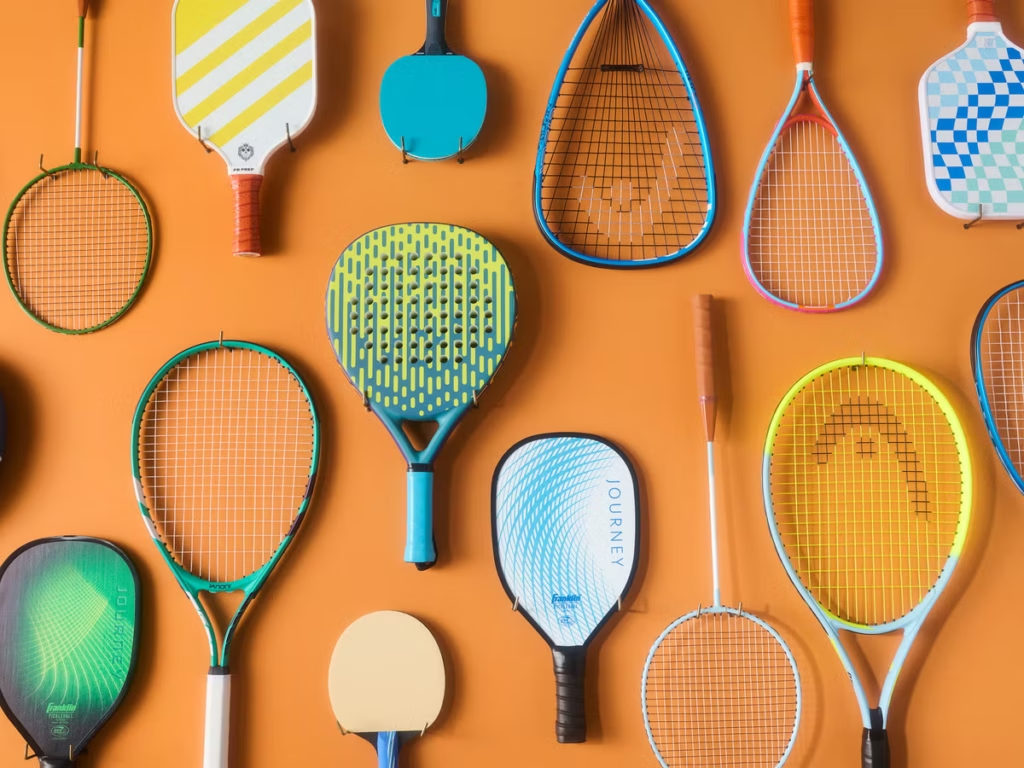
For those curious about what sets padel apart from traditional racket sports, consider its unique gameplay and appealing accessibility. With a growing popularity in Spain, this sport has adapted to various fitness levels and demographics, especially attracting women who are looking for a fun way to stay active. The game’s low-impact nature allows players to enjoy competitive play without excessive strain on joints, making it a perfect choice for all ages.
Regarding gameplay, the use of enclosed courts creates dynamic and fast-paced matches. Players hit the ball off walls, adding complexity and encouraging quick reflexes. This structure enhances the density of rallies, often requiring short bursts of energy but maintaining longer game durations, which can be excellent for endurance training. Moreover, the effectiveness of padel drills can be easily integrated into fitness programs, focusing on muscle groups such as the anterior chain, which supports a player’s position on the court.
Pressurometry studies have shown how engaging in regular padel sessions can lead to significant changes in muscular strength and handgrip ratings. For a weekly commitment, players can see a rise in their overall physical condition, making it an appealing option for those wanting more than just traditional workouts. Enthusiasts can find various products on platforms like Amazon, such as padel rackets and balls, designed specifically to enhance gameplay experience.
Moreover, the marketing of padel as a trendy yet effective sport has fueled its growth. With well-constructed courts appearing in urban areas, people are given easy access to practice and play. This convenience encourages continued participation, promoting a culture where staying fit feels less like a chore and more like an enjoyable routine. The combination of competitive spirit and community atmosphere makes it a standout choice among racket sports.
Demographics: Who Is Playing Padel?

Examining current trends, various demographics participate in this engaging sport. Reports indicate that individuals ranging from young teens to older adults have embraced it. For instance, many players aged 18-34 represent a significant portion of the population enjoying this activity, showcasing impressive skills on the court. In February, tournaments often see a diverse array of participants, highlighting the sport’s extensive reach.
Moreover, networking among players builds a community where social interaction flourishes. This sport often attracts those who prioritize health and socializing, making it a hub for fitness enthusiasts. According to studies, women have also become increasingly involved, with participation rates rapidly rising. Where once it was more male-dominated, the landscape now showcases a balanced representation.
Players face constant challenges as they improve their skills and try to smash through competitive barriers. For some, focusing on strategy and concentration is crucial when developing techniques. Their journey often requires overcoming personal hurdles, such as health or injury pathology, to excel. This underscores the importance of a supportive environment, which many clubs provide.
Additionally, individuals from varied backgrounds view this activity as not only sporting but also a way to maintain an active lifestyle. According to surveys, older adults continue to engage in such activities regularly, remaining active longer. When considering equipment, one might find items on Amazon, such as padel racquets or specific shoes that cater to different skill levels and ensure optimum performance on the court.
The Role of Padel in Urban Fitness Trends
To enhance urban wellness, engaging in match-play of racquet sports is highly recommended. Padel stands out due to its modern appeal and increasing popularity, especially among women. This sport not only offers an energetic way to stay active but also provides significant cardiovascular and musculoskeletal benefits.
Recent studies published in noted journals, such as Scopus, reveal positive effects on participants’ well-being. Playing regularly can aid in reducing anxiety levels, making it a great option for those dealing with daily stressors. The energetic nature of this sport helps in improving agility, coordination, and strength.
Testing new techniques and strategies during play can keep the experience fresh and engaging. Incorporating advanced stretching routines both before and after matches can further contribute to injury prevention and muscle recovery, allowing players to enjoy their sessions without discomfort.
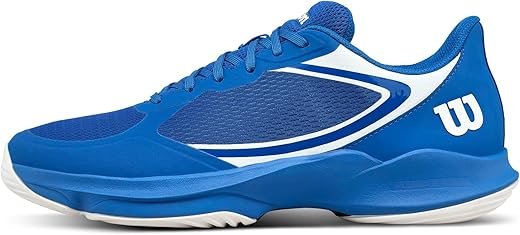
For those interested in gear, consider high-quality items available on Amazon. Look for racquets such as the HEAD Graphene 360 Zephyr or the Bullpadel Vertex 04 2025, which are tailored for optimal performance. Adding accessories like the Adidas Padel Bag or Wilson Padel Shoes can enhance your experience and convenience while playing.
In the future, the integration of technology in padel training and performance analysis could promote even greater participation. With its unique blend of sociability and physical activity, this sport is likely to maintain its upward trajectory in urban fitness trends, encouraging more individuals to partake and reap its benefits.
Physical Benefits of Padel on Flexibility and Mobility
For enhancing flexibility and mobility, consider incorporating regular gameplay into your routine. Engaging in this sport promotes core strength and overall body coordination, which is essential for maintaining a safe and active lifestyle. Consistent practice can lead to improvements in both physical and mental health.
Focus on dynamic movements like lunges and lateral shifts while playing. These actions help stretch major muscle groups effectively, proving to be a less strenuous option for those recovering from injuries or looking to avoid syndromes associated with inactivity. For instance, players often report better mobility in their hips and shoulders as they adapt their hitting techniques.
Future benefits include preventing common ailments linked to sedentary lifestyles, such as lower back issues and joint stiffness. Combining targeted exercises with padel serves as an excellent avenue for maintaining flexibility. A simple search on health platforms shows that players often experience significant improvements within a few weeks of consistent play.
Moreover, consider integrating specialized equipment, like resistance bands or balance boards, into your warm-up routines. These tools can further enhance your body’s range of motion. Items like TheraBand resistance bands, available on Amazon, can be a valuable addition to your training setup.
In summary, prioritizing this sport in your fitness journey offers numerous physical benefits while creating a fun, engaging routine. With the right approach, you can cultivate a positive and health-conscious lifestyle that contributes to long-term well-being.
How Padel Enhances Joint Flexibility
Practicing on the court offers a unique way to improve joint flexibility. Incorporating stretching exercises before and after each session helps maintain optimal mobility. Use dynamic stretching, focusing on movements that mimic those in sports, to prepare your body for the demands of quick lateral and backward movements.
Various studies have revealed that engaging in this sport allows players to develop flexibility at different angles. For example, reaching for low balls or lunging requires bending the knees and hips, promoting better flexibility over time. In Spain, where this game is highly popular, many players report noticeable improvements in their joint range of motion after just three months of regular practice.
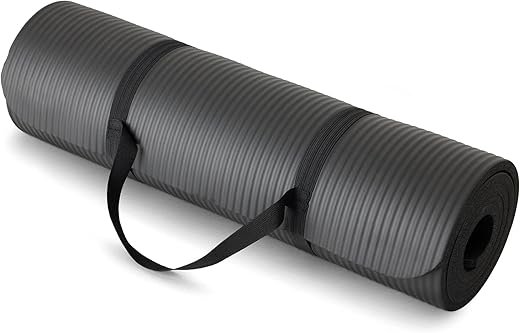
Additionally, consistency in performing flexibility exercises as part of the training course can enhance overall well-being. Investing time in yoga mats or resistance bands, available on platforms like Amazon, can further aid in effective stretching routines. These items are essential for supporting those serious about enhancing their performance and physical health.
A focus on maintaining joint flexibility not only enhances sports performance but also helps improve concentration during matches. This boost in mental acuity often leads to better decision-making on the court. With regular practice, you can enjoy the long-term benefits–keeping injuries at bay while ensuring that your joints perform optimally.
Impact on Muscle Mobility and Recovery Times
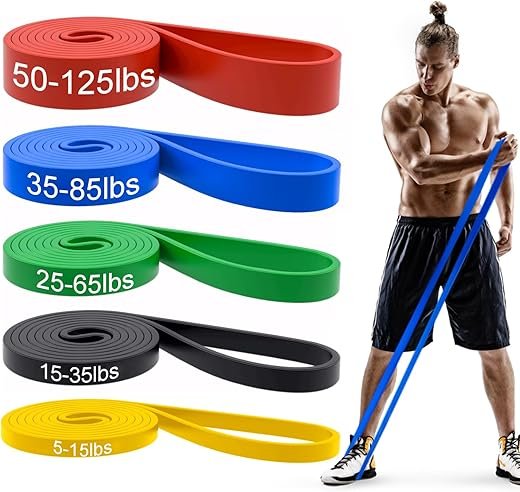
Incorporating a well-structured routine that combines aerobic activities with conditioning exercises can significantly enhance muscle mobility and reduce recovery times. Research indicates that specific stretching techniques, when practiced regularly, can improve flexibility, which in turn supports muscle density and bone strength. For example, resistance bands, often found on Amazon, are excellent tools for stretching while providing beneficial resistance to enhance performance.
It’s crucial to recognize the implications of muscle mobility on overall lifestyle. Improved mobility not only aids in athletic performance but also helps in daily activities, making every movement more efficient. Additionally, integrating a routine that balances power and flexibility can create a networking effect, where enhanced muscle function supports better recovery and reduces the risk of injuries. Products like foam rollers can be essential for post-activity recovery, helping to alleviate muscle soreness and tightness.
Conclusions drawn from various studies emphasize the need for a comprehensive approach to conditioning. For example, engaging in activities at a centro of coordination–where different muscle groups work together–can simplify the complexity of recovery. This holistic method allows athletes and fitness enthusiasts to achieve optimal performance levels without compromising their health.
In abstract terms, focusing on muscle mobility through dedicated training regimens improves not only performance but also contributes to long-term bone density. Utilizing tools like yoga mats or massage balls can support a healthy lifestyle by integrating stretching and recovery into daily routines, ensuring that every element of fitness is addressed cohesively.
Question-answer:
What are the main health benefits of playing padel?
Playing padel provides various health benefits, including improved cardiovascular fitness, enhanced muscle strength, and greater flexibility. The sport also contributes to better coordination and balance due to its fast-paced nature. Additionally, padel can promote weight management and mental well-being by reducing stress and providing a social outlet through team play.
What challenges do players face when trying to incorporate padel into their fitness routines?
One of the significant challenges for players is the accessibility of facilities, as not all areas have padel courts. Additionally, new players may struggle with the learning curve, as mastering the skills and strategies of the game takes time. Other challenges include potential injuries from overexertion or improper technique, which can discourage participation and hinder consistency in training and fitness routines.

Are there any limitations to the fitness benefits that padel offers?
While padel is beneficial for fitness, it may not provide a complete workout regime on its own. The sport focuses primarily on agility and quick reflexes, which can overshadow the need for strength training and aerobic exercises. Relying solely on padel may lead to muscle imbalances or insufficient cardiovascular conditioning if other forms of exercise are not included in a fitness program.
How does padel compare to other racquet sports in terms of health benefits?
Paddle offers health benefits similar to other racquet sports like tennis and squash. However, padel tends to be less straining on joints due to its smaller court size and the use of lower-paced movements. This may make it a more appealing option for individuals looking for a less intense physical activity while still gaining cardiovascular and muscular benefits. Each sport has unique advantages, but padel’s accessible nature can draw in a broader range of players.
What future trends could influence the role of padel in fitness and health?
Future trends may include the development of more accessible facilities and increased promotion through fitness communities. Additionally, advancements in technology may enhance player training through apps that track performance and fitness levels. As padel gains popularity, collaborations with health and fitness professionals could encourage more structured training programs that integrate padel into overall fitness strategies, potentially amplifying its positive impact on health.
What are the physical benefits of playing padel?
Padel offers various physical benefits, primarily through its combination of aerobic and anaerobic activity. Players engage in quick lateral movements, sprints, and upper body actions that enhance cardiovascular fitness, build muscle strength, and improve coordination. Regular participation in this sport can help increase endurance and promote weight management, making it a beneficial choice for maintaining an active lifestyle. Additionally, the social components of padel contribute positively to mental health, as engaging with others promotes emotional well-being and reduces stress.



I never knew padel had so many health benefits and was so accessible through technology. Definitely considering giving it a try!
I never realized how many physical benefits playing padel can provide! I’ll definitely look into incorporating it into my fitness routine.
I had no idea that padel had so many benefits beyond just being a fun sport to play! I’m definitely going to look into joining a local league and seeing how it can improve my overall well-being.