


When starting with padel, it’s essential to choose a racket that suits your child’s skills and physical ability. Lighter models, such as those with a teardrop shape, offer many advantages, allowing for easier maneuverability on the court. This gives youngsters a better chance to improve their saque and cross-court shots, paving the way for long-term progress.
Table Of Content
- Key Features to Consider in Junior Padel Rackets
- 🟢 Beginner / Younger Kids (5–10 years)
- Optimal Weight and Balance for Young Players
- 🟡 Intermediate Juniors (9–13 years)
- The Importance of Grip Size for Comfort and Control
- Material Types: Which Ones Are Best for Kids?
- 🔴 Advanced Juniors / Teens (13+)
- Design and Aesthetics: Boosting Engagement and Interest
- Age-Appropriate Racket Sizes
- Recommended Lengths for Different Age Groups
- Question-answer
- What factors should I consider when choosing a padel racket for my child?
- How do I determine the right size of a padel racket for my child?
- What materials are best for children’s padel rackets?
- How much should I expect to spend on a junior padel racket?
- Prioritize racket weight and balance for maneuverability and control tailored to the child's size and skill.
- Choose appropriate materials like fiberglass for flexibility or carbon for durability and performance as skills grow.
- Select correct grip size to ensure comfort, control, and reduced injury risk during development.
- Match racket length to age and height to maintain proper swing mechanics and progressive skill advancement.
- Consider appealing design and comfort to boost motivation and long-term engagement in the sport.

Many options are available, but not all are equally effective. A serious player should consider the balance and weight of a racket, as these factors significantly impact performance. Slightly heavier systems can sometimes provide more stability, but lighter designs are often easier for young players to handle. Therefore, finding a model that combines both agility and control is vital.
Furthermore, consider how the racket bounces off the ball and the surfaces played on. A flat design may suit some, while others may benefit from a more forgiving system that enhances their return game. Ultimately, selecting the right racket can help reduce disadvantages and ensure a more enjoyable experience that fosters enthusiasm for the sport.
Key Features to Consider in Junior Padel Rackets
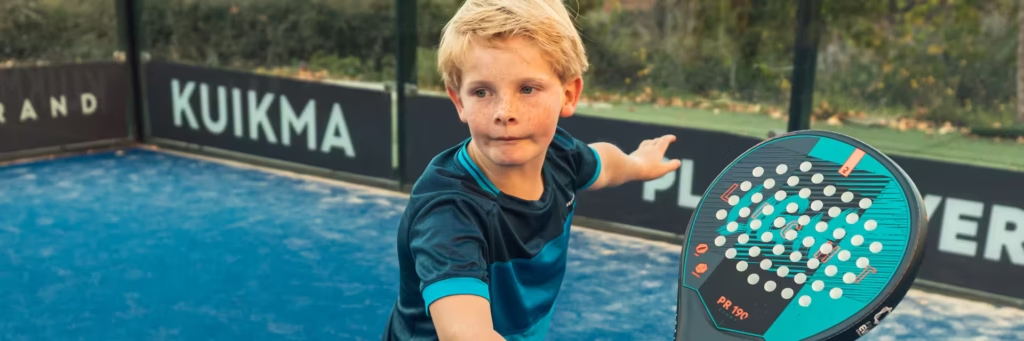
When selecting a racquet for young players, it’s crucial to focus on specific characteristics that cater to beginners. One essential feature is the weight of the racket. Lighter options, typically around 300-320 grams, allow children to maneuver easily, making contact with the ball more intuitive and precise.
Materials used in construction also play a significant role. Look for models utilizing advanced technologies like carbon fiber or fiberglass. These materials ensure durability while keeping the racquet flexible, which can enhance playability. For instance, the Wilson Chiquita features a lightweight design and is ideal for young beginners.
Another important aspect is the grip size. Beginners may struggle with improper grip sizes, which can affect performance and comfort. It’s essential to choose a racquet that allows children to hold it comfortably. The right size helps maintain control and reduces the risk of injury. Consider models from the Indiga collection, which offers various grip sizes suitable for kids.
In addition, familiarize yourself with the rules and official regulations of the sport. For example, some racquets have thicker edges for added durability but may slightly compromise ball control. On the other side, thinner models can provide better touch but may suffer in terms of robustness. Understanding these trade-offs will help you pick the right style for your child.
Lastly, try to select a racquet that combines style and functionality. Young players often appreciate colorful designs–racquets like the Tapia bring a fun aesthetic while maintaining performance standards. By choosing from a range of styles, you’re sure to find a racquet that not only fits your child’s needs but makes them excited to play.

Bullpadel INDIGA Girl 2025
🟢 Beginner / Younger Kids (5–10 years)
| Racket Model | Key Benefit | Notes |
|---|---|---|
| Wilson Chiquita | Very light & forgiving | Ideal for first padel steps |
| Puma Chiquita | Safe junior length | Mentioned for ages 5–7 |
| Enebe Junior Series | Balanced control | Ages 8–10, coordination focus |
| Indiga Junior Collection | Multiple grip sizes | Comfort for small hands |
Optimal Weight and Balance for Young Players
When aiming for maximum performance, selecting a racket with the right weight is essential. For young athletes, a weight between 250g and 300g allows for greater maneuverability and control. This weight helps ensure the player can comfortably handle various shots, such as the bandeja or chiquita, without straining.
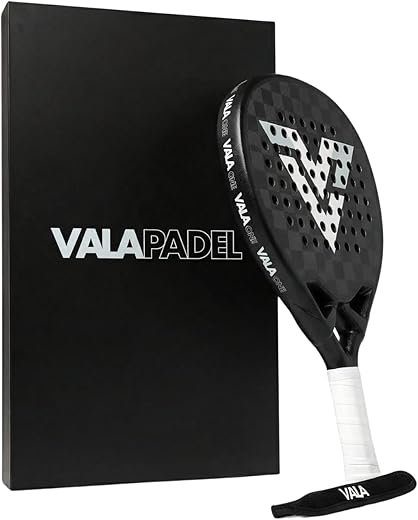
VALA One Diamond Black Edition Padel Racket | 18K Carbon Fiber Paddle/Pala with Soft EVA Core, Lightweight 365g Diamond Shape, Premium Power & Control...
Balance is another critical factor. A racket that is head-light tends to offer better control, allowing young players to position their shots accurately. A balanced feel helps with stability during gameplay, reducing the risk of injury from repetitive shots like the classic backhand or forehand. For instance, rackets like the Bela Pro or the Black Edition are made from fiberglass, known for their lightweight yet durable nature.

Wilson Bela Padel Rackets
In choosing the right material, fiberglass offers a great blend of flexibility and strength, making it ideal for newbie players still developing their skills. However, it’s worth noting that some players might prefer carbon composite alternatives as they offer rigidity and better ball bounce. Many experts recommend testing multiple options before settling on one, as the right fit can vary based on personal comfort and style of play.
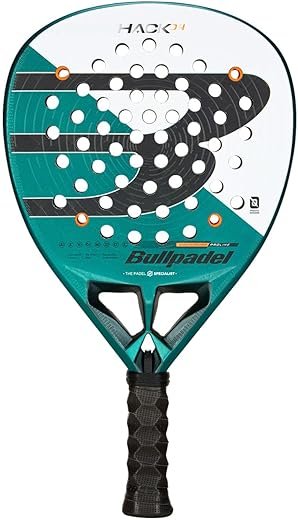
BULLPADEL Padel Racket HACK 04 2025 Paquito Navarro | Professional Diamond Shape Pala Padel | TriCarbon 3D & MultiEva Core | Total Channel Aerodynamics &...
Equally important is to keep in mind that while performance is crucial, enjoyment in the sport leads to longevity in practicing the deporte. Finding a racket that feels good in hand will contribute massively to motivation and development. For example, products found on Amazon, like the Bullpadel Hack and Wilson Blade, are specifically aimed at young enthusiasts who aspire for excellence without compromising comfort.
| Racket Model | Weight (g) | Material | Expert Rating |
|---|---|---|---|
| Bela Pro | 280 | Fiberglass | 4.5/5 |
| Black Edition | 270 | Fiberglass | 4.3/5 |
| Bullpadel Hack | 290 | Carbon Composite | 4.6/5 |
| Wilson Blade | 285 | Carbon | 4.4/5 |
Ultimately, investing in a well-balanced and appropriately weighted racket can enhance performance and enjoyment, allowing young players to develop their skills effectively and safely. Selecting the right one is crucial, as it can make all the difference in their sporting journey. Remember to test and see which model feels best in hand!
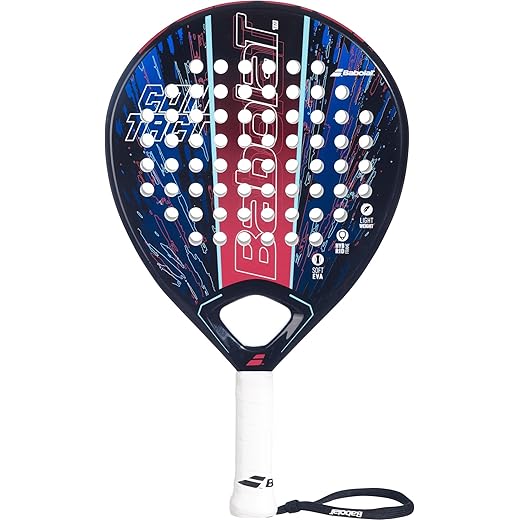
Babolat Contact 2022
🟡 Intermediate Juniors (9–13 years)
| Racket Model | Key Benefit | Notes |
|---|---|---|
| Bullpadel Beginner Racket | Control + power balance | Learning smashes & defense |
| Head Speed Junior | Carbon-based control | Better ball response |
| Adidas Adipower Light | Lightweight + comfort | Popular with progressing players |
| Motivation & aesthetics | Fun look, solid performance |
The Importance of Grip Size for Comfort and Control
Choosing the right grip size is crucial for hitting effectively and ensuring comfort. When selecting a bat for younger players, it’s vital to measure their height. A proper fit generally falls between 4 inches and 5 inches, depending on the child’s age and hand size. Manufacturers often offer a series of grip options, so you must know what works for your child.
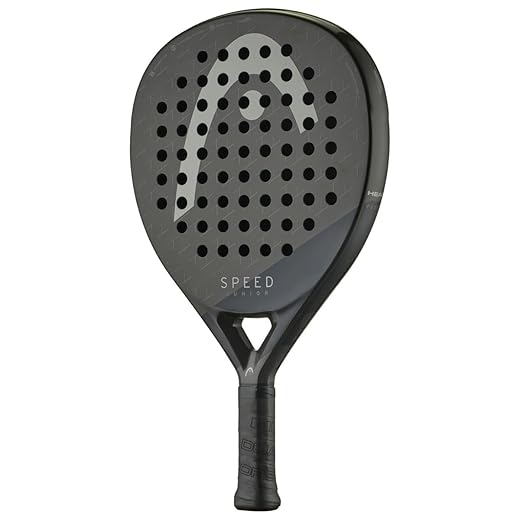
Head Speed Junior Pade Racket
Grips that are too large can lead to discomfort, causing unnecessary strain during play. Conversely, a grip that is too small can result in losing control, especially during crucial service moments. An affordable choice, like the HEAD Graphene 360+, provides a great balance between lightweight design and firm control, making it a worthy option for beginners.
It’s essential to consider the materials used in the grip. Some types are made of softer rubber which offers improved comfort, while others are designed for durability to withstand any abuse on the court. For instance, Wilson’s Burn 100 Lite features a thinner grip that lets children maintain a better feel during their game.

Bullpadel Junior Hack 2023
As players advance, exploring different categories of grips can help improve their skills. Lighter options allow for faster movements, enhancing their hitting precision. In order to find the right fit, it might be useful to visit a sporting goods store where children can try different sizes before purchasing.
Ultimately, a well-fitted grip enhances performance, encouraging youngsters to enjoy their time in play. Ensure your choice is pared down to what fits and feels just right; comfort should never be compromised. As your child gains experience, their preference, alongside the game’s demands, will naturally guide future selections. Always consider how grip size impacts overall enjoyment and skill development!
Material Types: Which Ones Are Best for Kids?
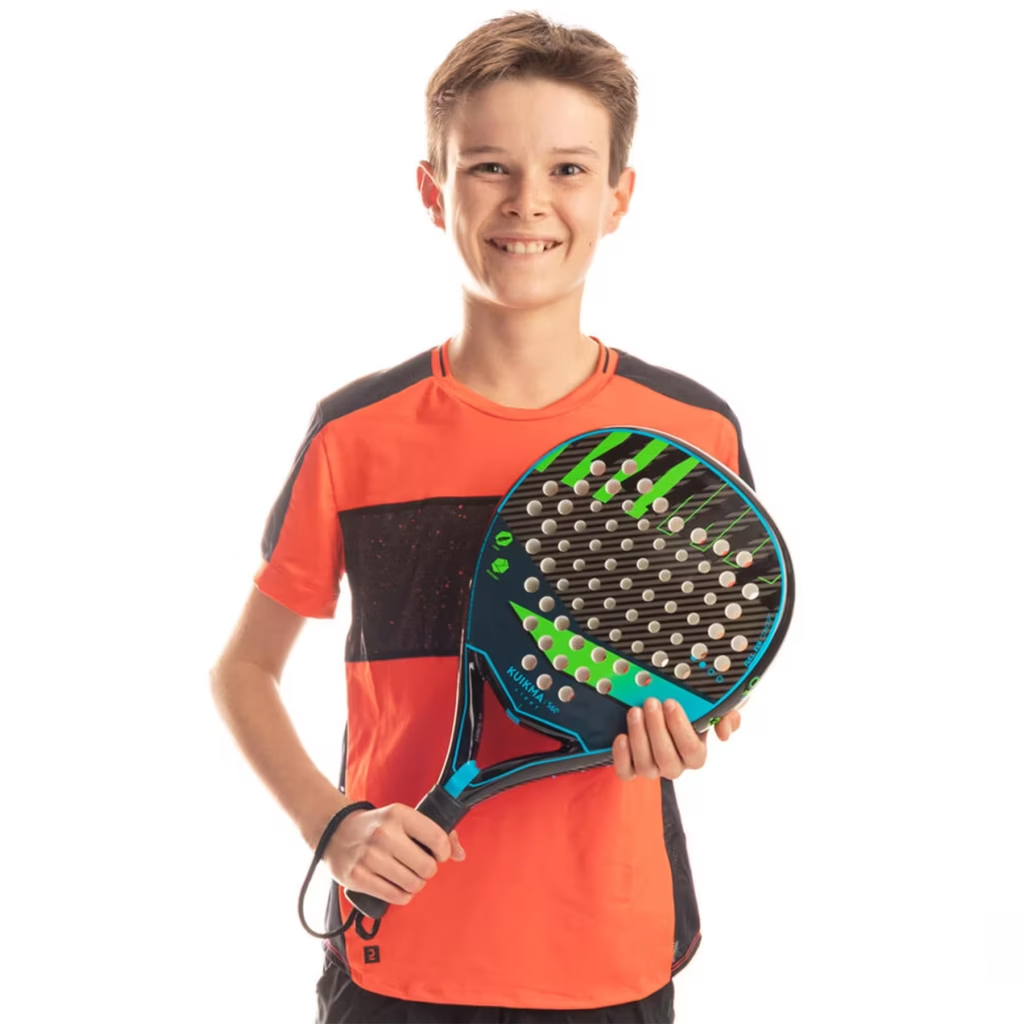
Beginner’s rackets made from composite materials are often recommended for children due to their lightweight nature. This allows for easier maneuverability and helps young players develop their technique without the risk of injury. Brands like Bullpadel and Babolat offer excellent options that you can find online. Consider the Bullpadel Beginner Racket, which offers a good balance between power and control, ideal for smashes and defensive plays.
For a more attacking approach, rackets constructed from carbon fiber provide enhanced performance. They are more durable and can withstand the heavy attacks often encountered during play. The Head Graphene Lite is an excellent example, providing precise control during contact with the ball. Kids will enjoy how this racket responds, allowing them to change their game as they progress.
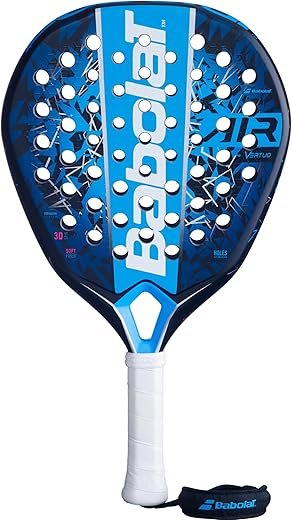
Babolat Air Vertuo 2.5 Padel Racket
When it comes to the grip, a soft, cushioned handle is essential for ensuring comfort during long matches. This prevents slips that can lead to injury and enhances their ability to swing freely. Items like the Adidas Adipower Light are popular among young players for their comfortable grip and lightweight design.
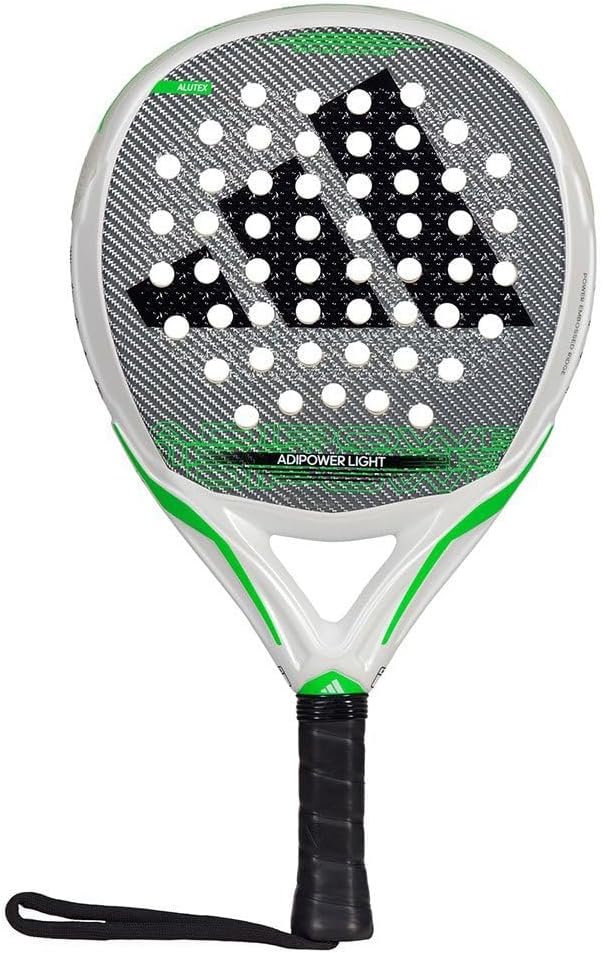
Adidas Adipower Padel Racket Paddle Series
Lastly, keep in mind that the comparison of materials can be crucial. While some children may prefer a more rigid feel, others might benefit from a softer touch that helps them learn proper techniques. Each player is different, and understanding their side preferences can help parents decide which item to invest in. Ultimately, guiding children through this journey can provide a solid foundation for their future in sports.
🔴 Advanced Juniors / Teens (13+)
| Racket Model | Key Benefit | Notes |
|---|---|---|
| Wilson Blade | Precision & style | Mentioned for young enthusiasts |
| Head Graphene 360+ Alpha Power | Lightweight performance | Especially recommended for girls |
| Adidas Adipower CTRL 3.4 | Control & comfort | Competitive junior option |
| Babolat Air Vertuo 2.5 | Power + manageability | For aggressive juniors |
Design and Aesthetics: Boosting Engagement and Interest
Choosing a racket is not just about performance; design and aesthetics play a significant role, especially for young players. A visually appealing racket can boost motivation and enthusiasm to play. Look for colors and patterns that resonate with the child’s personality. For example, a racket featuring vibrant hues or fun graphics can make a girl feel excited about learning and improving her skills.
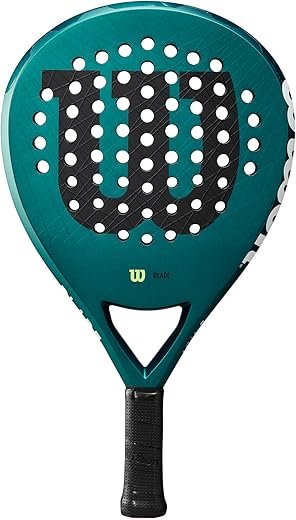
Wilson Blade Padel Rackets
When selecting a model, consider its overall build and material. Lightweight materials like carbon fiber not only enhance the versatility of the equipment but also ensure that children can play comfortably for longer periods. An arrow-like shape helps with maneuverability, allowing for swift movements on the court. This feature is essential for learning proper techniques, which can lead to significant improvements in skill level.
- For girls, the Head Graphene 360 Alpha Power s a fantastic option. Its sleek design and lightweight build make it easy to handle.
- The Wilson Blade combines style with performance, perfect for young enthusiasts ready to step up their game.
- Check out the Adidas Adipower CTRL 3.4, which features an eye-catching design and exceptional comfort, making it a popular choice among young female players.

Head Graphene 360 Alpha Power 2023 Shovel
Receiving a well-designed racket can spark joy, encouraging children to spend more time perfecting their game. The look of the equipment often aligns with their feelings about the sport, making it crucial to find something they truly enjoy. With the right aesthetics, young girls are more likely to pick it up and play regularly, which is key to developing their abilities and maintaining engagement over time.
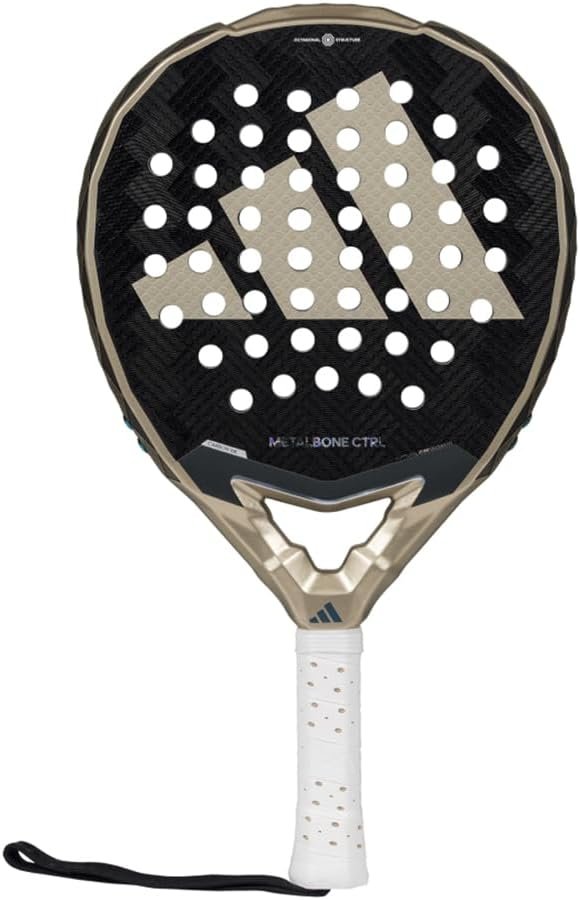
Adidas Metalbone Ctrl 3.4 Padel Racket 2025
Age-Appropriate Racket Sizes
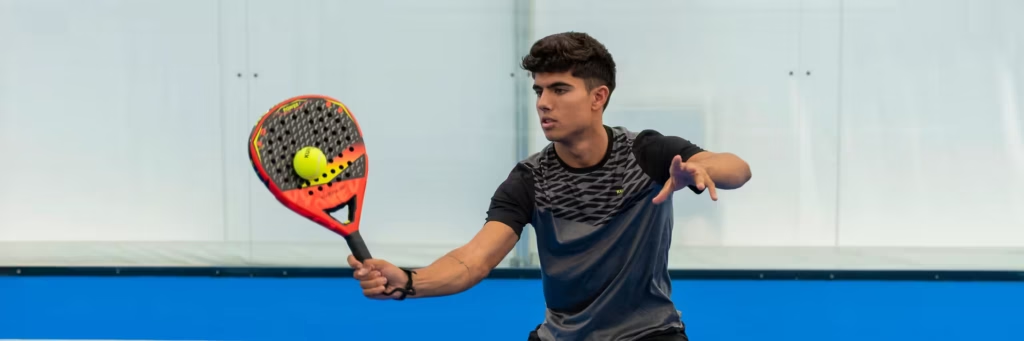
Choosing the right size of racket based on a child’s height is essential for optimal performance. For young players aged 5 to 8 years, a racket length of 60-65 cm is manageable and offers greater maneuverability. A slightly lighter frame makes swinging easier and enhances striking accuracy. Rackets designed for this age often utilize materials that boost lightness without sacrificing durability.
For children aged 9 to 12, the racket size can change to 65-70 cm, which provides a balance between control and power. Girls may prefer a more forgiving design, such as a head-heavy style, which helps with shot stability. When comparing materials, focus on those that offer both strength and flexibility, allowing for dynamic play while keeping fatigue at bay.
Players aged 13 and up typically need a racket length of 70-75 cm. At this stage, preferences become more defined, and they may seek heavier options for greater power. However, ensuring the racket remains light enough is crucial to maintain the dynamics of their game. These changes in height and weight requirements can significantly affect how well a child transitions into stronger playstyles, ultimately enhancing their overall experience.
In conclusion, selecting the right sizes based on these age groups and personal preferences helps kids become more confident in their game. For example, consider the Wilson Blade for older kids, which offers excellent control and comfort, or the Babolat Pure Aero Lite for those needing a boost in power while still being manageable. Each option enhances different playing styles and supports their growth in the sport.
Recommended Lengths for Different Age Groups
For young players between 5 to 7 years old, the ideal racket length ranges from 48 to 50 cm. This size allows them to manage their swings easily while developing basic skills. The Puma Chiquita racket is a great choice for this age group, ensuring safety and comfort during play.
Players aged 8 to 10 years should look for rackets measuring around 50 to 60 cm. At this stage, improving backhand skills and coordination are important. The Enebe Junior collection offers balanced options that help these athletes test their abilities without being overwhelming.
For those aged 11 to 13 years, lengths between 60 to 65 cm are appropriate. Players at this level are moving towards more competitive play. Choosing a racket like the Puma model can aid in refining their strokes while providing a sturdy frame, crucial for powerful shots.
As children transition into teens, specifically ages 14 and up, they may start using rackets up to 68 cm, which are more comparable to what adults use. This prepares them for competitive playing and helps in achieving high performance. It’s essential to avoid choosing a racket that may be too heavy or long, as this could hinder their development.
Ultimately, selecting the right racket length should be a mix of each player’s height and skill level. Using this glossary of recommendations will streamline finding suitable gear for different heights and ages, ensuring that young athletes stay engaged and motivated while learning and improving.
Question-answer:
What factors should I consider when choosing a padel racket for my child?
When selecting a padel racket for a child, it’s important to consider their age, height, and skill level. Younger children typically require lighter rackets that are easier to handle. The racket’s grip size should also be appropriate for their hand size, as this will significantly affect their control and comfort during play. Additionally, the racket’s balance and material can influence its performance. Beginners might benefit from a more forgiving racket that offers better accuracy and power, while more experienced young players may want a racket that allows for greater maneuverability and spin.
How do I determine the right size of a padel racket for my child?
Choosing the right size of a padel racket for children involves measuring their height and considering their grasp. Generally, for kids below 130 cm tall, a smaller racket (often about 20-24 inches in length) is suitable. For children between 130 cm and 150 cm, a medium-sized racket (24-26 inches) is usually appropriate. It’s advisable to have your child hold the racket to ensure they can comfortably grip it and swing it without strain. Visiting a sporting goods store or seeking expert advice can also assist in finding the perfect fit.
What materials are best for children’s padel rackets?
Children’s padel rackets are often made from various materials, each offering different benefits. Lightweight materials like fiberglass are common in junior rackets, as they make handling easier for younger players. Some high-end models use carbon fiber, which is more durable and enhances performance but tends to be heavier and pricier. For beginners, a racket made predominantly of fiberglass may be the best choice due to its balance of durability and maneuverability, while more advanced players may consider one with a carbon structure as they grow in skill.
How much should I expect to spend on a junior padel racket?
The price of junior padel rackets can vary widely based on the brand, materials used, and technology incorporated into the racket. Generally, you can find decent quality junior rackets ranging from $30 to $100. It’s wise to avoid excessively cheap options, as they may sacrifice quality and performance, which can hinder a child’s enjoyment of the sport. Investing in a mid-range racket can provide a good balance of quality and cost, ensuring that it lasts during your child’s growing years and skill development.



This article provides a helpful guide on selecting the right padel racket size for children of different ages. It’s great to see the emphasis on comfort, control, and power to enhance young players’ skills and enjoyment of the game.
I appreciate the emphasis on design and aesthetics in choosing a racket for young players. It’s important to make the sport enjoyable and fun for kids!
This article provides helpful guidance on choosing the right padel racket size for children of different ages. It’s important to consider height, skill level, and materials for optimal performance and development.