


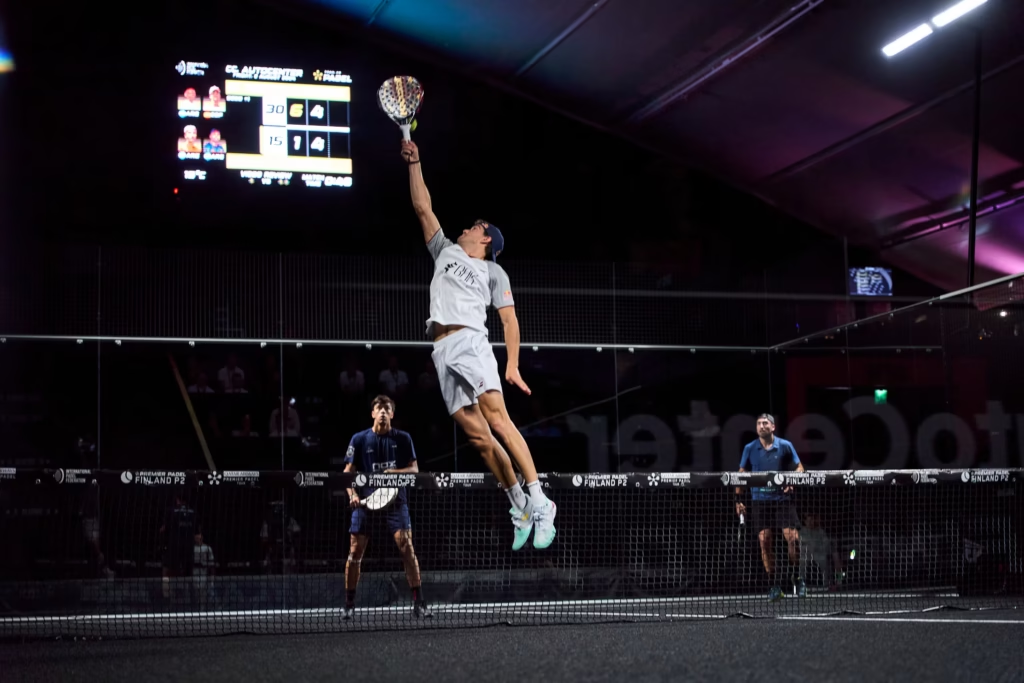
In this Head Padel Rackets 2025–2026 Review, we take a close look at the latest padel rackets from Head and analyze how they perform across different playing styles and skill levels. Head continues to innovate with advanced technologies such as Graphene constructions, optimized weight distribution, and improved vibration dampening, making their 2025–2026 lineup one of the most competitive on the market. Whether you are a beginner looking for control and comfort or an advanced player seeking power and precision, Head padel rackets offer a wide range of options designed to elevate your performance on the court. In this review, we compare key models, highlight their strengths, and help you choose the best Head padel racket for your game in the 2025–2026 season.
Table Of Content
- Performance specs and model-by-model buying picks for Head padel rackets 2025-2026
- 🏓 Head Padel Rackets 2025–2026
- 🏓 SPEED MOTION
- 🏓 SPEED PRO
- 🏓 SPEED ONE
- 🏓 EXTREME PRO
- 🏓 EXTREME MOTION
- 🏓 GRAVITY PRO
- 🏓 GRAVITY MOTION
- 🏓 EXTREME ONE
- Shape & balance choices (round/teardrop/diamond): who should pick what in 2025-2026
- Core density and feel: Power Foam vs Control Foam vs hybrid cores in real play
- Face materials & carbon layouts: fiberglass, 3K/12K/18K carbon, and what changes on court
- Surface textures & spin tech: rough finishes, Spin Surface, and grip-related shot outcomes
- Sweet spot size vs forgiveness: how Head’s drilling patterns and frames alter mishits
- Picking the best Head models by player profile (beginner to pro)
- Q&A
- 1. Which Head padel racket is the most versatile choice for 2025–2026?
- 2. What is the best Head padel racket for power and aggressive play?
- 3. Which Head racket is best for control and defensive play?
- 4. How does weight affect performance in Head padel rackets?
- 5. Should I choose Speed, Extreme, or Gravity in the Head 2025–2026 lineup?
- Speed Motion is the go-to versatile racket: light, maneuverable, forgiving sweet spot for fast net exchanges and controlled spin.
- Extreme Pro targets raw power: diamond shape, high balance, stiff carbon face for big smashes and heavy spin.
- Gravity Pro prioritizes precision: round shape, centered sweet spot, even balance for predictable rebounds and tight directional control.

Pick the if you want the most universal mix of control and fast handling: its lower weight feel and higher maneuverability suit quick volleys and defensive resets, while a medium balance keeps acceleration easy without sacrificing direction. For players who rely on touch and placement, this is the safest “do-everything” option with consistent spin on sliced bandejas and topspin lobs.
Choose the Extreme Pro 2026 when your priority is raw power: the more head-heavy balance drives harder overheads and deeper viboras, especially if you swing fully and finish points at the net. Look for a stiffer carbon face on this type of build to stabilize impacts and preserve durability under high-intensity play; the trade-off is slightly reduced maneuverability in rapid exchanges.
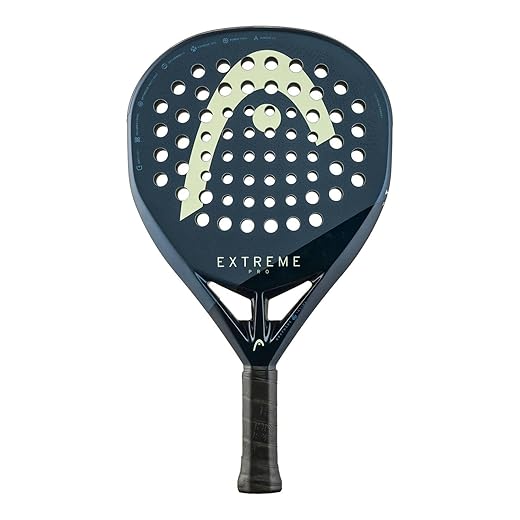
HEAD Extreme Padel Racket Paddle Series (Elite, Motion, One, Pro)
Go with the Gravity Pro 2026 if your match plan is precision first: a more controlled response helps block hard balls, guide volleys tight to the fence, and vary pace without losing accuracy. It’s the better call for players who want predictable rebound, extra confidence on counterattacks, and reliable spin generation from clean contact rather than brute force–while maintaining strong durability thanks to the reinforced carbon layup.
If your arm prefers comfort, shortlist the Speed Pro 2026: it typically sits between the Motion and the Extreme in balance, giving accessible power with steadier control on off-center hits. This introduction sets up the comparisons you actually need–how weight, face stiffness, and carbon construction change maneuverability, spin, and long-term durability across the 2025–2026 lineup.
Performance specs and model-by-model buying picks for Head padel rackets 2025-2026
Pick the SPEED MOTION if you want fast handling: ~360 g weight, slightly head-light balance, and a medium-hard feel that keeps control high while still giving usable power on quick volleys. The teardrop shape and forgiving sweetspot make it an easy upgrade for intermediate players who play a lot at the net and need top maneuverability without losing stability.
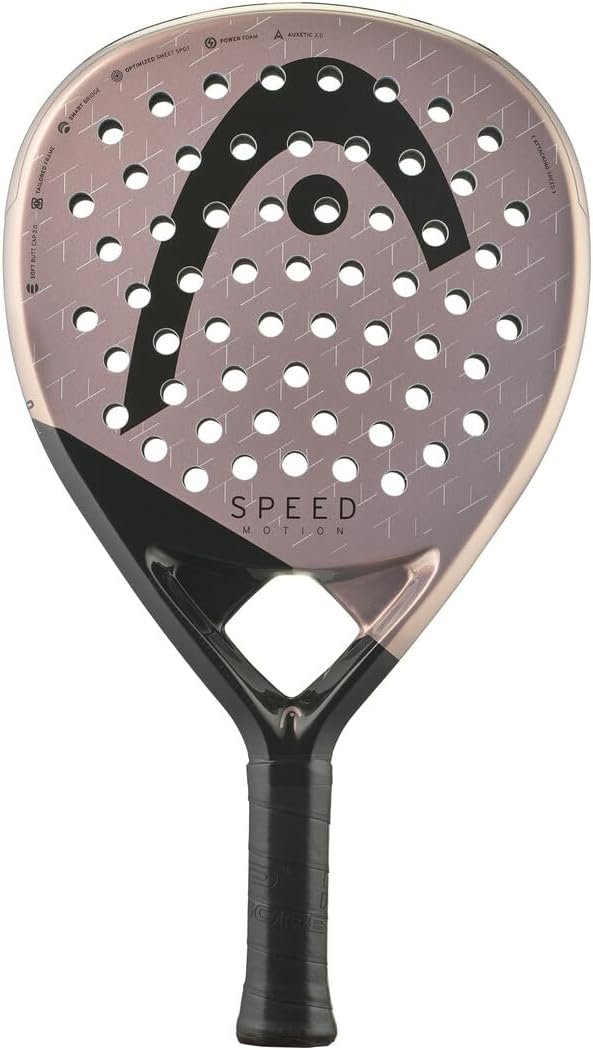
HEAD Speed Padel Racket Paddle Series (Pro, Pro X, Motion, Elite, ONE, ONE X, Team)
Choose the SPEED PRO when you hit flatter and want more punch from the back court: ~370 g weight with a more head-heavy balance increases power on overheads and deep drives. The carbon layup feels crisp, and the sweetspot sits a bit higher, so it rewards clean technique. If your arm gets tired, drop to the SPEED ONE for similar intent but easier swing speed.

HEAD Speed Padel Racket Paddle Series (Pro, Pro X, Motion, Elite, ONE, ONE X, Team)
Go for EXTREME PRO if your priority is spin + heavy finishing: diamond outline, higher balance, and a harder carbon face help you load the ball on bandejas and viboras. Expect a smaller sweetspot than the SPEED line, but more “free” power when you strike high on the face. EXTREME MOTION is the safer choice if you want the same family vibe with better maneuverability and less strain.
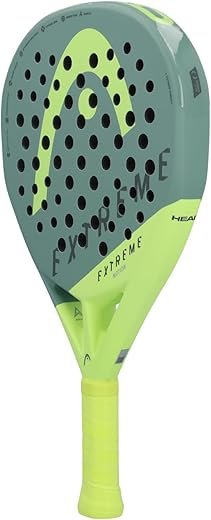
HEAD Extreme Padel Racket Paddle Series (Elite, Motion, One, Pro)
Pick GRAVITY PRO for precision: rounder geometry, centered sweetspot, and a calmer response that makes lobs, blocks, and directional changes feel predictable. Typical setup is ~370 g weight with an even balance, delivering control first and power only when you accelerate cleanly. GRAVITY MOTION is the friendliest option for quick exchanges and players who value comfort.
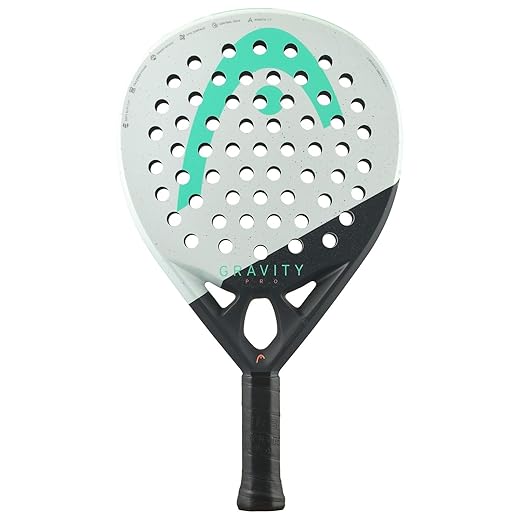
HEAD Gravity Padel Racket Paddle Series (Pro, Motion, Elite)

HEAD Gravity Padel Racket Paddle Series (Pro, Motion, Elite)
If you want an ultra-simple “one-stick” feel, look at SPEED ONE or EXTREME ONE: lighter swing weight, streamlined response, and strong maneuverability for fast hands. They’re ideal when you want easy acceleration for spin serves and sharp angles, but still want the solid carbon sensation.

HEAD Speed Padel Racket Paddle Series (Pro, Pro X, Motion, Elite, ONE, ONE X, Team)
🏓 Head Padel Rackets 2025–2026
🏓 SPEED MOTION
-
Who it fits: Intermediate all-court players, fast net play
-
Shape & feel: Teardrop, medium-hard
-
Key focus: Control & maneuverability, ~360 g, slightly head-light, forgiving sweet spot, carbon feel, easy spin
🏓 SPEED PRO
-
Who it fits: Advanced players, aggressive baseline & overheads
-
Shape & feel: Teardrop, hard
-
Key focus: Power-focused, ~370 g, higher balance, crisp carbon response, strong smash stability
🏓 SPEED ONE
-
Who it fits: Players wanting easy swing speed
-
Shape & feel: Teardrop, medium
-
Key focus: High maneuverability, reduced swing effort, balanced control, smooth carbon touch
🏓 EXTREME PRO
-
Who it fits: Power hitters, heavy overhead game
-
Shape & feel: Diamond, hard
-
Key focus: Maximum power & spin, high balance, smaller sweet spot, strong carbon bite
🏓 EXTREME MOTION
-
Who it fits: Aggressive players wanting easier handling
-
Shape & feel: Diamond / Teardrop hybrid, medium-hard
-
Key focus: Power with better maneuverability, lower balance vs Pro, usable sweet spot
🏓 GRAVITY PRO
-
Who it fits: Tactical players, defenders, blockers
-
Shape & feel: Round, medium
-
Key focus: Control-first, centered sweet spot, ~370 g, even balance, consistent carbon response
🏓 GRAVITY MOTION
-
Who it fits: Intermediate players, comfort & speed
-
Shape & feel: Round, medium-soft
-
Key focus: Maneuverability, large sweet spot, forgiving balance, easy spin on lobs
🏓 EXTREME ONE
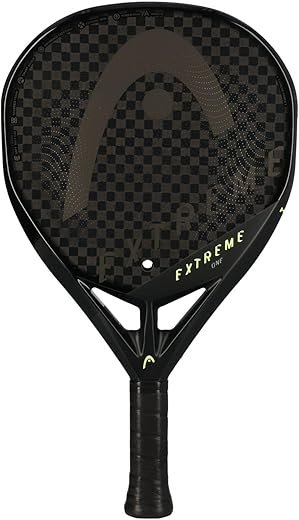
HEAD Extreme Padel Racket Paddle Series (Elite, Motion, One, Pro)
-
Who it fits: Quick hands, counter-punch style
-
Shape & feel: Diamond, medium
-
Key focus: Fast acceleration, controlled power, direct carbon feedback
Quick pick by playing style: for fast doubles exchanges choose SPEED MOTION; for smash-heavy power go EXTREME PRO; for placement and defense choose GRAVITY PRO; if you want lighter weight and maximum maneuverability without giving up carbon feel, pick SPEED ONE or GRAVITY MOTION.
Shape & balance choices (round/teardrop/diamond): who should pick what in 2025-2026
If you want the fastest improvement in control and fewer unforced errors, pick a round shape with an even-to-slightly head-light balance and medium weight (around 350–365 g without overgrip). The big sweetspot makes defensive blocks and soft volleys easier, and the lower swing inertia boosts maneuverability for quick reactions at the net. In the 2025–2026 lineup, look at a round “Zephyr/Speed Motion”-type option (soft-to-medium core, often with carbon reinforcement) if your priority is placement over power; it also helps preserve shoulder and wrist over long sessions while keeping solid durability if you avoid extreme impacts with glass walls.
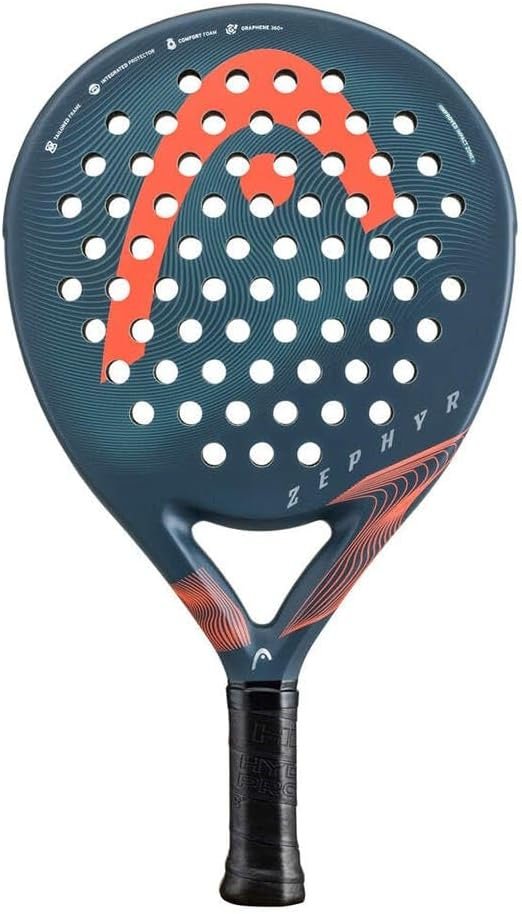
Head Zephyr Padel Racket 2023
Choose a teardrop shape if you play mixed court positions and want one tool for lobs, counterattacks, and controlled smashes. Teardrop typically centers the sweetspot slightly higher than round, giving you easier depth from the back and more “free” pace while staying manageable. Target a medium-to-high balance (not fully head-heavy) with 355–370 g: you’ll still keep good maneuverability for quick bandejas, but you gain stability on hard volleys. In the current range, a “Speed Pro / Speed”-style teardrop with a 3K/12K carbon face is ideal if you want sharper response, better directional control, and more reliable spin on viboras and kick serves (texture matters–go for a rough finish if available).
Pick a diamond shape only if you consistently hit above head height and finish points–its higher balance and smaller sweetspot punish late contact, but reward clean technique with heavier winners. For most advanced attackers, a 365–380 g weight with head-heavy feel gives the best smash output, but you should offset that with a slightly thicker grip and a stable frame to protect the elbow. In the 2025–2026 family, a “Extreme Pro / Extreme”-type diamond with strong carbon layup and reinforced bridge is the safer pick: you get higher torsional stability (better control on off-center hits) and improved durability when you play aggressive near the glass.
Core density and feel: Power Foam vs Control Foam vs hybrid cores in real play
If you want the fastest “easy depth” from the baseline and more pop on volleys, choose a Power Foam core in the 2025/26 lineup like Speed Pro (Diamond) or Extreme Pro; if you want safer placement and a calmer touch under pressure, pick Control Foam in models such as Radical Pro. Hybrid cores (often described as mixed/dual density) are the most practical all-court option when you need both control and punch without constantly adjusting your swing.
Power Foam (softer, rebounds quicker) usually feels lively on contact: the ball leaves the face faster, so perceived power is higher even at medium swing speed. Real-play effect: you get more help on counter-smashes and quick blocks, but you must manage trajectory with technique. Typical trade-offs:
- Control: lower at high pace–hard hitters may see the ball “jump” if timing is late.
- Sweetspot: often feels larger because the foam returns energy even on slight mishits.
- Spin: easier to generate on flicks and wristy shots, especially if the face texture is rough.
- Balance & weight: many power-oriented shapes push balance higher; if your weight is 365–375 g and balance is head-heavy, maneuverability drops in fast net exchanges.
- Durability: soft cores can feel “tired” sooner if you play 4–5 times/week, especially in hot weather.
Control Foam (denser, more muted) rewards full swings and clean technique. In real play it’s the safer choice for tight lobs, angled volleys, and defending hard drives. You’ll notice:
- Control: higher on flat hits–ball sits a fraction longer, giving better line control.
- Sweetspot: more “honest”–off-center contact loses depth, so timing matters.
- Spin: comes more from brushing mechanics than from trampoline effect; great for heavy topspin players.
- Balance & maneuverability: pairs well with even or slightly head-light setups, helping quick hand battles at the net.
- Durability: denser cores tend to keep their feel longer across a season.
Hybrid cores (dual-density feel) behave like “Control Foam on slow shots, Power Foam on fast shots.” For most intermediate-to-advanced players, this is the easiest way to get predictable defense plus finishing ability. Look for 2025/26 options such as Speed Motion (more agile) or Extreme Motion (more bite) if you want a better balance between maneuverability and put-away power. Practical matching tips:
- If your swings are short or you play mostly reaction volleys, go hybrid with mid balance and 360–370 g weight.
- If you build points with placement and lobs, Control Foam + even balance is the cleanest path to stable control.
- If you finish with overheads and fast counters, Power Foam + slightly higher balance helps, but keep total weight manageable to protect your shoulder.
Quick rule: if you’re missing long, move from Power Foam to hybrid or denser Control Foam; if you’re missing short and can’t finish points, move from Control Foam to hybrid or Power Foam. Keep weight and balance aligned with your role–net players benefit most from high maneuverability, while back-court hitters can tolerate more mass for stability and extra power.
Face materials & carbon layouts: fiberglass, 3K/12K/18K carbon, and what changes on court
Choose fiberglass if you want easier depth and fewer mishits right away: it boosts the sweetspot, softens impact, and gives safer control on defensive blocks and lobs. It also helps keep a neutral balance so the frame feels less “head-heavy,” improving maneuverability at the net. In the 2025/2026 lineup, look at Speed Motion 2025 (quick handling) or Zephyr 2025 (comfort-first) when you prioritize touch, easier timing, and consistent exits off the back glass.
Pick 3K carbon when you want a clear step up in precision without making the face too stiff. On court it tightens control on volleys and viboras, adds cleaner spin on brushing contacts, and typically feels more stable on hard-driven returns. A common “all-court” target is medium balance: enough mass for power, but still fast enough for counters. Good matches from the 2025/2026 family include Speed Pro 2025 (crisper response) or Radical Motion 2025 (quick reactions with a controlled hit).
Go 12K carbon if your technique is stable and you want extra pop from the face. Compared with 3K, 12K tends to return energy faster–more power on overheads and faster exits from the back wall–while slightly shrinking the sweetspot. To keep maneuverability, pair it with a shape and balance that doesn’t overload the tip; otherwise quick exchanges at the net get slower. In the newer range, Radical Pro 2025 is a strong pick if you want a firmer strike and heavier ball without jumping straight to the most demanding weave.
Use 18K carbon only if you consistently hit the center and want maximum bite and direct feedback. It can generate aggressive spin because the face feels “grippy” on fast cuts, but it’s less forgiving: off-center contact drops control and can feel harsh. Durability is usually high for carbon faces, yet stiffness can stress the arm if the rest of the build is rigid; consider softer cores or dampening if you play often. For players chasing a more explosive, attacking setup in the 2025/2026 release window, Extreme Pro 2025 is the style of choice–built for pace, with a more demanding response profile.
Surface textures & spin tech: rough finishes, Spin Surface, and grip-related shot outcomes
Choose a rough-faced option (matte sand-like or 3D micro-pattern) if your priority is higher spin on viboras, bandejas, and kick smashes; go smoother if you want cleaner ball release and more predictable control on flat drives. In the 2025–2026 lineup, models like Speed One, Speed Motion, Extreme One, Extreme Motion, Radical Pro, and Radical Motion differ noticeably in how their face texture “bites” the ball, so match texture to your typical contact time: the longer you brush, the more you benefit from a textured finish.
HEAD Extreme Padel Racket Paddle Series (Elite, Motion, One, Pro)
Rough finishes mainly change spin and control at medium pace. A sandy matte surface adds friction fast, improving slice depth without forcing extra power; it’s also usually more consistent across the sweetspot on off-center hits. A 3D micro-relief can generate even higher spin, but it may feel “grabby” in quick exchanges and can reduce maneuverability if you start over-swinging to exploit it. If you rely on compact strokes, prioritize a broader sweetspot and stable balance over extreme texture.
Spin Surface-style technology works best when paired with the right weight and balance. On lighter frames (often “Motion” versions), the easier maneuverability helps you brush up and around the ball, turning defensive lobs into controlled, high-arching shots. On heavier “Pro/One” styles, added weight boosts power on overheads, but the extra mass can slow last-second wrist adjustments–so textured faces matter most if your technique is already consistent. As a rule: lower weight = easier spin access; higher weight = heavier ball, but demands better timing.
Grip-related outcomes are just as important as face texture. A tacky overgrip increases control on quick redirections and helps keep the face angle steady during high spin shots, while a drier feel improves subtle touch and reduces over-rotation on volleys. If you feel the handle twisting on impact, add 1–2 overgrips or a thin grip sleeve: you’ll gain stability, a more reliable sweetspot feel, and better balance through the swing. If the handle feels too thick, swap to a thinner overgrip to restore wrist snap and spin without raising total weight too much.
Durability depends on how aggressive the texture is and how you store the gear. Sand-like finishes tend to wear more evenly; deep 3D patterns can flatten on the hottest strike zones faster, which gradually lowers spin and changes control. To keep friction consistent, wipe the face with a slightly damp microfiber after dusty courts and avoid rough contact with fences. If you play 3–4 times a week, expect noticeable texture smoothing within a season; choose a finish known for higher durability if you don’t want your spin to fade.
Sweet spot size vs forgiveness: how Head’s drilling patterns and frames alter mishits
If you miss the center often, choose the 2025–2026 Speed Motion or Speed Team: their hole layout spreads impact load wider, so the sweetspot feels larger and mishits keep more control and power. For cleaner hitters who want sharper response and heavier ball, go with Extreme Pro (2025–2026) where the drilling is tighter around the core hitting zone, trading some forgiveness for more direct feedback and easier spin when you contact well.
Drilling pattern = how forgiving your off-center hits feel. Wider, more uniform perforations reduce local stiffness spikes, so the face flexes more evenly. That boosts forgiveness on high/low contacts (typical “late” blocks at the net) and helps keep the balance stable through impact. Denser drilling near the center stiffens the main striking area: you get higher peak rebound (power) and more predictable control on perfect timing, but toe/edge hits drop speed faster and can twist the frame, hurting maneuverability in fast exchanges.
Frame shape and carbon layup change mishit behavior. Teardrop geometries like Speed Pro (2025–2026) typically place the sweetspot slightly higher, rewarding aggressive volleys and overheads; when you catch the ball low on the face, you’ll notice a bigger loss in depth. Diamond shapes like Extreme Pro amplify top-end power, but the effective sweetspot is more “narrow”: mishits can feel harsher unless your technique is consistent. Round shapes such as Radical Team (2025–2026) keep torsional stability higher on blocks, improving forgiveness and control. Look for higher-grade carbon faces if you want crisp response without extra trampoline, plus better durability when you frequently contact near the edge or scrape walls.
Quick picking guide for mishits: If your shots drift wide under pressure, prioritize a larger sweetspot and medium balance (easier maneuverability)–Speed Motion / Radical Team. If your issue is “floating” balls with low bite, choose a stiffer center and textured face for extra spin–Extreme Pro. If you want the middle ground, Speed Pro offers a blend: good power up top with enough forgiveness for defensive lobs and quick resets.
Picking the best Head models by player profile (beginner to pro)
If you’re starting out, pick a teardrop all-rounder like the Speed Motion 2025: lower weight (around 360 g) plus high maneuverability makes it easier to learn blocks, lobs, and wall rebounds without late contact. The medium foam feel boosts control and gives a larger sweetspot, so off-center hits stay playable.
For improving intermediates who want more direction and safer defense, the Speed Pro 2025 is a clean pick: slightly higher weight (typically 365–375 g) stabilizes volleys, and the face construction with carbon adds crisp response for control while still letting you roll spin on viboras and bandejas. If you prefer lighter hands at the net, the Speed Motion 2025 stays the easier choice, especially if you play long matches and want less arm fatigue.
If your profile is aggressive (quick volleys, fast overheads), choose a diamond attacker like the Extreme Pro 2025: the higher balance and firmer feel translate into more power on smashes, but it demands cleaner timing because the sweetspot is more compact. If you’re an advanced player who still values rapid hand speed, the Extreme Motion 2025 keeps the same attacking intent with better maneuverability thanks to a slightly reduced weight.
For players who build points with placement, pace changes, and heavy slices, the Radical Pro 2025 suits a “tactician” style: its firmer response and carbon face make it easy to hit deep chiquitas and sharp angles with strong control, while the textured surface supports consistent spin. If your elbow is sensitive, avoid going too stiff; pick the more forgiving variant (often the “Motion” in the same family) to keep comfort and durability in longer sessions.
If you compete and want maximum output, pick a top-end diamond like the Extreme Pro 2025 for raw power or a precision-focused option like the Radical Pro 2025 when match wins come from control under pressure. In both cases, don’t chase weight blindly: most competitive players perform best in a 365–375 g window, where stability is high but maneuverability remains sharp for fast hands.
Q&A:
1. Which Head padel racket is the most versatile choice for 2025–2026?
The Speed Motion 2026 is the most versatile option in the Head lineup. Its ~360 g weight, slightly head-light balance, and forgiving sweet spot make it ideal for all-court play, fast net exchanges, and defensive resets without sacrificing control or spin.
2. What is the best Head padel racket for power and aggressive play?
For players focused on power and finishing points, the Extreme Pro 2026 is the top choice. Its diamond shape, higher balance, and stiffer carbon face deliver maximum power and spin on overheads, viboras, and smashes, especially for advanced attackers.
3. Which Head racket is best for control and defensive play?
The Gravity Pro 2026 is designed for precision-oriented players. With its round shape, centered sweet spot, and even balance, it offers predictable rebound, excellent blocking ability, and consistent control for tactical and defensive styles.
4. How does weight affect performance in Head padel rackets?
Lighter rackets (around 355–365 g) improve maneuverability and reduce arm fatigue, making them better for quick exchanges and longer matches. Heavier rackets (370 g and above) provide more stability and power but require stronger technique and can feel slower in fast net play.
5. Should I choose Speed, Extreme, or Gravity in the Head 2025–2026 lineup?
Choose Speed if you want fast handling and all-court versatility, Extreme if you prioritize power and aggressive finishing, and Gravity if your game relies on control, placement, and defensive consistency. Your ideal choice depends on balance preference, swing speed, and typical court position.



This review provides a comprehensive breakdown of the different Head padel racket options for players of all skill levels, helping me make an informed decision on which one to choose for my game.
Interesting article with good tips on choosing the right paddle tennis racket based on carbon material and face texture. Will keep these factors in mind for my next purchase.
This article provides a good overview of factors to consider when choosing a tennis racket. I appreciate the emphasis on individual preferences and playing style.