


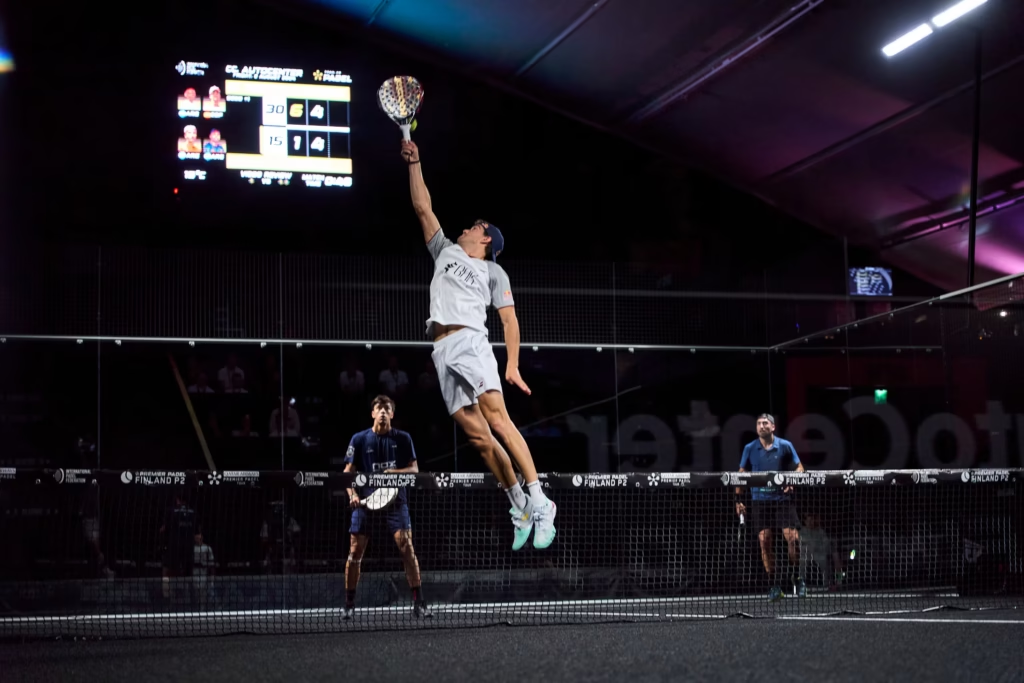
If you want to Master Your Padel Game, refining both your technique and equipment choices is essential. From selecting the right racket weight and balance to understanding how shot selection impacts control and power, every detail plays a role in your performance on the court. Whether you’re an intermediate player aiming to level up or an advanced competitor fine-tuning your strategy, learning how to Master Your Padel Game starts with smart adjustments that improve consistency, confidence, and match results.
Table Of Content
- Mastering the Fundamentals
- Understanding the Grip Techniques
- Positioning Yourself on the Court
- Footwork Drills for Better Movement
- Enhancing Your Serve
- Types of Serves to Practice
- Common Mistakes to Avoid
- Developing a Strong Rally
- Question-answer
- What are the most important technical skills to focus on while training in padel?
- How does mental preparation influence performance in padel?
- What are some effective drills to improve padel skills?
- How can I improve my physical condition for padel?
- What strategies can I use during a padel match to outplay my opponent?
- What are the most important techniques to focus on for improving my padel skills?
- How can I improve my mental game in padel?
- Integrate agility and strength training to improve movement, responsiveness, and scoring ability on court.
- Communicate strategically with your partner about positioning, shot preferences, and wall use.
- Master grip techniques and maintain a relaxed, consistent grip to improve control and shot variety.
- Practice footwork drills and maintain a low, balanced stance for quicker reactions and better court coverage.
- Develop a varied, confident serve routine and practice different serve types to keep opponents guessing.

To adapt effectively, integrate agility training into your weekly routine. Focus on exercises like squats and side shuffles to enhance your movement and responsiveness. This foundation will also aid in developing your scoring techniques, allowing you to dominate during matches.
Effective communication with your partner is crucial. Establish a strategic plan before stepping onto the court. Discuss positioning, shot preferences, and ways to leverage the wall for advantageous plays. Having this understanding can turn a single game into an exciting rally.
Consider participating in a local league or joining a university program focused on improving your partnership with a more experienced player. Observing their techniques and playing styles can offer fresh insights and enhance your own development.
As you progress, analyze your performance weekly. Document specific concepts that worked and areas needing improvement. This reflective approach is invaluable for beginners and seasoned players alike, ensuring a consistent path forward.
Mastering the Fundamentals
To enhance your performance, concentrate on mastering the basics of gameplay. This involves dedicating time to the effective use of your racket. For instance, practicing your underhand serves can give you an edge, especially when executed strategically. It’s important to recognize that a solid foundation allows you to build more complex techniques in the long run.
For those in Lithuania looking to strengthen their skills, consider joining a local school that offers specialized training programs. These institutions often use warehouse-style setups for drills, allowing you to practice in an immersive environment. Such settings help you focus on tactical movements and improve your reaction times significantly.
An example of a product that may be beneficial is the Bullpadel Hack 04 Hybrid racket available on amazon.com. This racket is recognized for its balance and handling, making it ideal for both beginners and seasoned players. In addition to solidifying your strokes, ensure that you maintain a healthy athletic regimen to support your gameplay.
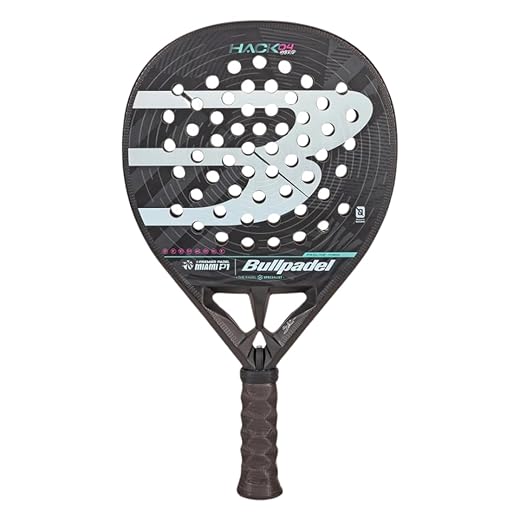
BULLPADEL Padel Racket HACK 04 Hybrid 2025 Miami Paquito Navarro | Limited Edition Diamond Shape | TRICARBON 3D & MULTIEVA Core | Channel Technology & Triple...
Next, let’s talk about how driving your focus into consistent practice can lead to dramatic improvements. Schools often provide courses that introduce students to advanced concepts, helping them to understand the governing rules essential for competitive play. This structured approach can be the next step in your journey towards becoming a player of note in the industry.
In summary, integrating these fundamental aspects into your training not only prepares you for the challenges ahead but also creates a robust platform for future growth. Remember, every player starts somewhere, and the right guidance can go a long way in achieving your goals.
Understanding the Grip Techniques

To build a solid foundation in racquet sports, adopting the correct grip technique is crucial. Beginners should focus on how to position their hands on the racquet. The most common grips–Eastern, Western, and Continental–play an essential role in how you strike the ball. Think about which grip allows you to hit effectively when the ball is approaching from different angles. Experimenting during practice can lead to greater comfort.
Exercises that strengthen grip can also enhance performance. Consider incorporating dumbbells into your routine. Simple wrist curls and grip squeezes will significantly build the muscles in your forearms and hands. This extra strength helps maintain control when facing an opponent, especially during long rallies.
When learning new techniques, make a point to practice in various positions on the court. A good grip works differently depending on whether you are on the ground or at the net. Remember, the grip that works well for you might not feel the same for someone else. Pay attention to how your body responds and adjust accordingly. It’s all about comfort and consistency.
In addition to physical exercises, consider visualizing your grip technique during school sessions. Observing skilled players, like Salvador from Norway, can provide insights into effective grips and styles. Often, watching matches helps you identify the grips before they hit the ball, allowing you to prepare better.
Furthermore, maintaining a relaxed grip matters. Many players tend to stop their progress by gripping too tightly, which can hinder fluidity of motion. Remember, a light grip allows for better wrist movement, essential for adding spin and direction to your shots.
In conclusion, developing a grip that feels comfortable should be your priority. Regular practice, combined with strength-building exercises, will enable you to master the fundamentals and become a more effective player on the court.
Positioning Yourself on the Court
To succeed in padel, positioning plays a crucial role. Here’s a straightforward technique: always maintain an optimal stance to ensure you can react quickly. This position should allow for maximum agility, placing you in a spot to control the play, whether you’re driving or preparing for an underhand shot.
Start by creating a solid base. Your feet should be shoulder-width apart, with knees slightly bent, ready to press forward or shift sideways. Maintaining this stance enables you to dominate the court effectively. Remember that staying low helps control your balance, which matters when executing shots.
When your opponent hits the ball, watch their body language and the angle of their racket. This observation will provide insights into their next move. Reacting promptly is crucial; even a split second can differentiate between winning and losing a point. Emphasizing tactical awareness will allow you to anticipate their actions better.
- Invest in a good pair of padel shoes for grip and support.
- Consider a lightweight racket, which can enhance your speed on the court.
- Practice positioning drills to grow your confidence and ability.
There are millions of techniques for positioning, but the basics remain vital. As you practice, you’ll tire less and react quicker, giving you a significant edge. Clubs worldwide emphasize these strategies, confirming their effectiveness for aspiring players.
For example, check out the best-rated Babolat Men’s Movea 2 on Amazon or high-quality rackets that can enhance your performance. Here’s a quick search tip: look for products with customer reviews that praise agility and control to ensure you’re making the right choice for your journey.

Babolat Men's Movea 2 Padel Shoes
Footwork Drills for Better Movement
Focus on lateral movement drills to enhance footwork. Set markers in a straight line around your training space to create lanes, allowing you to practice rapid switches between them. Local clubs often feature facilities ideal for these exercises, helping you gain better control during matches.
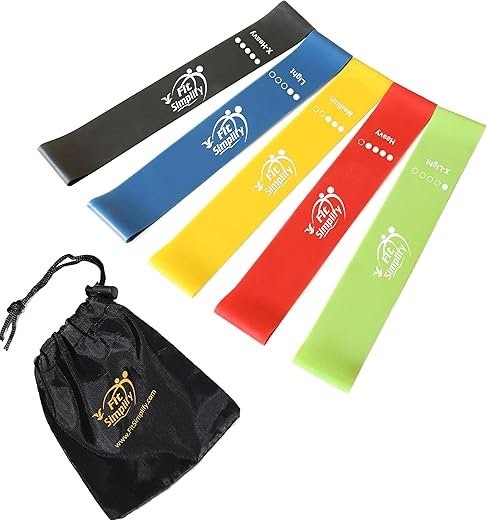
In Denmark, many coaches emphasize the importance of developing a strong base. Utilize resistance bands to strengthen your leg muscles and increase agility. These bands can be easily found on Amazon, such as the Fit Simplify Resistance Bands, which provide perfect support for various drills.
In regions like Strathclyde, clubs offer specialized training sessions. Here, participants engage in footwork drills that focus on precision and rebounds, allowing them to adjust quickly during gameplay. It’s crucial to practice these movements in dynamic settings to mimic the differences in matches played in countries like Qatar.
To implement this effectively, consider developing a routine that includes short sprints between markers, weaving in and out, and maintaining balance while switching directions. Observing coaching techniques from experienced players can provide additional insights; those with a background in competitive sports often have unique strategies.
Implementing these drills consistently will significantly enhance your movement efficiency on the court, allowing you to react quicker and play at a higher level. Remember, the focus on precision can make all the difference in critical moments during competitive matches.
Enhancing Your Serve
To truly master your serve, focus on integrating a dynamic technique that allows you to control the pace of the ball. Visualise the trajectory and aim for a strategic spot on the court. A well-placed serve can increase your chances of an aggressive return from your opponent, making it essential to practice regularly. Invest time in training to develop a single motion that is fluid yet powerful, reducing any faults that could arise from a poor serve.
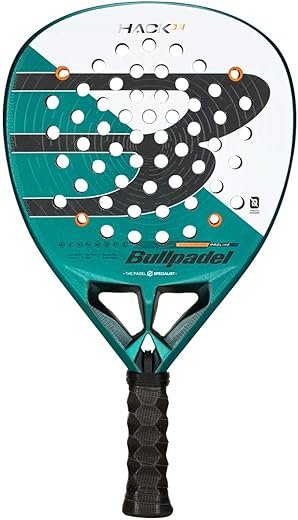
BULLPADEL Padel Racket HACK 04 2025 Paquito Navarro | Professional Diamond Shape Pala Padel | TriCarbon 3D & MultiEva Core | Total Channel Aerodynamics &...
Consider using tools like the NOX AT10 Luxury Genius 18K or the Bullpadel Hack 04, available on Amazon, which can help elevate your performance. These rackets offer the right balance of control and power. Moreover, staying engaged with the community can enhance your skills. Join local clubs or groups in Canada to play and learn from others. Surrounding yourself with like-minded individuals helps keep your motivation high, which is key when looking to enhance your technique.
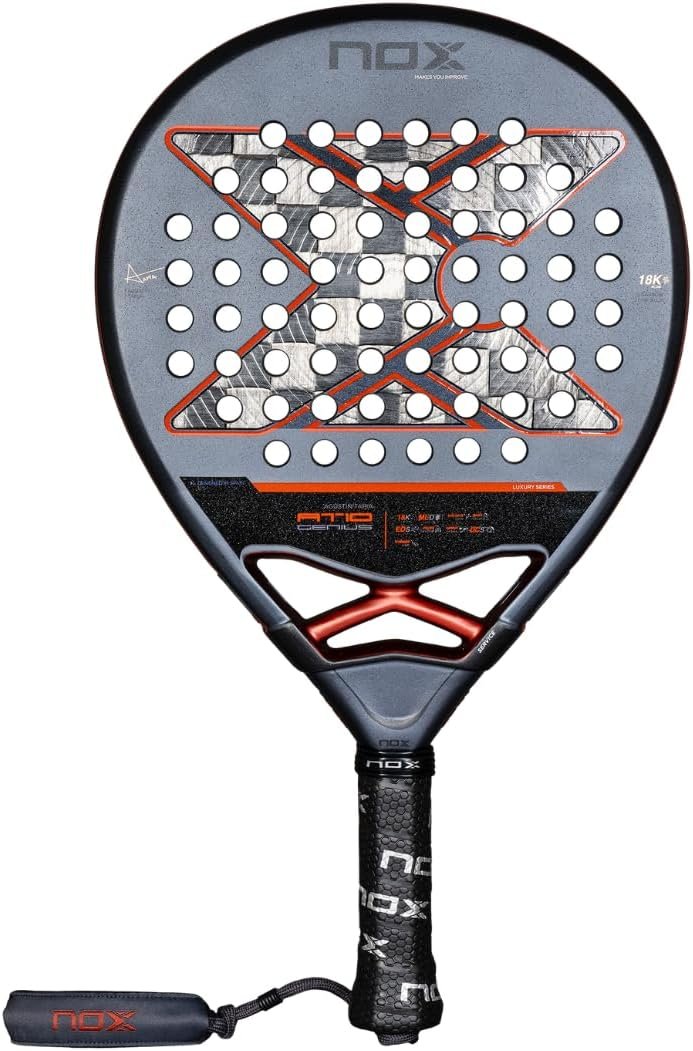
Padel Racket AT10 Genius 18K Alum by Agustin Tapia 2025 | Luxury Teardrop Pala Padel | Enhanced EOS Flap & NOX Custom Grip Technology Dual Texture Spin...
When you’re on the court, aim for less hesitation and more confidence. Practice a varied serving strategy that keeps your opponents guessing. By doing so, you not only improve your chances of scoring but also keep the game exciting for you and your rivals. Remember, consistent practice is a complete investment that will pay off in the long run, allowing you to stay at the top of your game.
In summary, focus on developing a proper serve technique that is aggressive and dynamic. This approach will allow you to stand out in your matches. Embrace every opportunity to refine your skills, and don’t hesitate to reach out for coaching or guidance to maximise your potential on the court.
Types of Serves to Practice
Mastering different serves is essential for strategizing your approach on the court. One effective technique is the flat serve. It makes it difficult for your opponent to predict where the ball will land. This serve involves hitting the ball with minimal spin, creating a fast-moving shot that can catch your rival off-guard.
Another exciting option is the kick serve. This serve generates a significant amount of topspin, which causes the ball to bounce higher after contacting the ground. It’s particularly useful during a match when you want to challenge your opponent’s ability to return serves, especially on their backhand side. Maintaining a solid kick serve can help you dominate points and keep your rival on their toes.
For beginners, practicing the underhand serve can also prove beneficial. This sneaky approach takes your opponent by surprise, especially if they are positioned far behind the baseline. The element of surprise can lead to easy points and create opportunities for aggressive attacks. Understanding when to deploy this tactic is key in maintaining pressure in a match.
Lobs are another strategic serve variant worth practicing. When executed skillfully, lobs can reach the back of the court and force your opponents into a defensive position. Incorporating lobs into your game adds versatility; it allows you to mix up your serves and keep your opponents guessing about what’s next. Collaboration with a coach or practiced peer can teach you how to effectively implement these serves into your overall gameplay.
Incorporate the use of training aids, such as the “Wilson Padel Racket” available on Amazon, which can enhance your serve technique. The right equipment makes a significant difference in your experiences on the court. Additionally, turning your serve technique into a fun practice session not only hones your skills but cultivates ambition. Always look to improve each serve, making them exciting for yourself and challenging for your opponents.
Common Mistakes to Avoid
A frequent issue players encounter is standing too close to the net. This can lead to misjudged hits and an inability to react effectively to fast balls. Instead, maintain a comfortable distance, ideally around the baseline, allowing for more space to execute powerful strokes. This strategic position matters significantly during matches.
Incorporating inconsistent racket styles can hinder performance. Players should stick to a tried-and-tested racket that suits their playing style. For example, models like the Bullpadel Hack 04 or Nox ML10 can be great choices available on Amazon, helping you feel delighted on the court. Switching constantly can hinder progression and result in a lack of confidence.
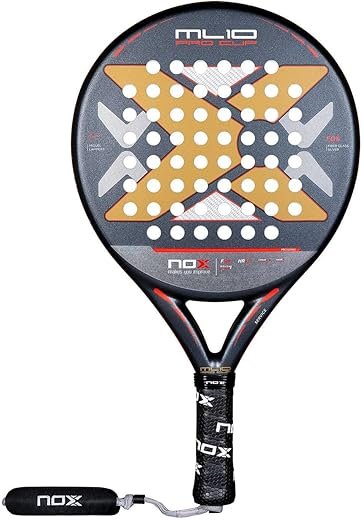
Padel Racket ML10 Pro Cup Rough Surface Edition by Miguel Lamperti 2025 | High-Performance Pala Padel | Carbon Frame & HR3 Core | Rough Sand Finish for...
Another mistake is neglecting physical conditioning. Incorporating exercises like dumbbells into your training can build strength essential for executing powerful hits. A short session focused on arms and core stability can expand your ability to maintain control during longer rallies, ensuring you don’t tire easily.
Lastly, be aware of the ball placement during each point. Players often aim for power instead of precision, leading to unforced errors. Aiming for spaces effectively can change match dynamics. Remember, even in Morocco on a professional court, the governing principles apply. Mastering these aspects will ensure you remain competitive against rivals, whether they’re from the Netherlands or elsewhere.
Developing a Strong Rally
To build a solid rally in this thrilling sport, focus on consistency and positioning. Start by assessing your current capabilities and identify areas for improvement. A solid foundation is essential for expanding your skills. Practice the four basics: forehand, backhand, volley, and serve. By mastering these, you’ll create a unified approach to handling different shots.
During practice sessions, adopt a collaborative mindset. Work with a partner to develop endurance and the ability to maintain long rallies. Even a simple drill can mark the difference in your performance. For instance, try hitting the ball back and forth with a goal of ten consistent hits before taking a break. This will not only enhance your precision but also build your physical stamina.
Positioning is another crucial aspect. Ensure you are always ready to respond to your partner’s shots, adjusting your stance as needed. This helps in maintaining a united front during gameplay, allowing for smoother transitions between hits. Consider choosing quality facilities that offer ample space for practice, as the environment can significantly affect your outcomes.
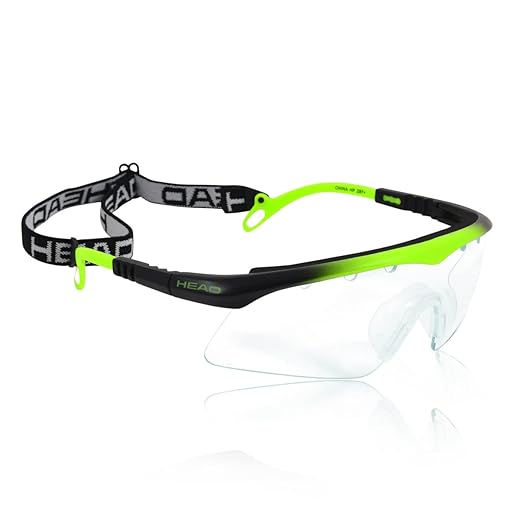
Incorporate specific equipment into your sessions to further optimize your practice. Look for rackets that enhance control; options like the HEAD Speed Pro 2025 serve as an excellent guide in this regard. Additionally, consider protective eyewear like the HEAD Sports Eyewear, which safeguards your vision while you focus on your strategy.
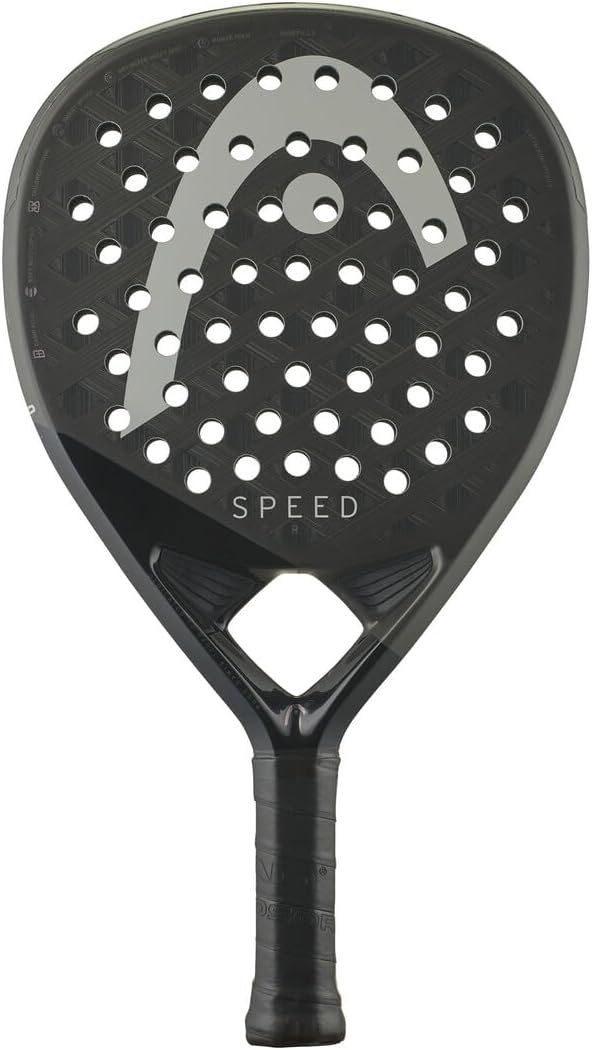
HEAD Speed Padel Racket Paddle Series (Pro, Pro X, Motion, Elite, ONE, ONE X, Team)
The reward of this commitment is a noticeable improvement in your ability to rally effectively. As you refine your technique and increase your endurance, you’ll find yourself enjoying the thrill of the game even more. Aim for progress in every session and be patient with yourself; mastery takes time, but the journey will be well worth it.
Question-answer:
What are the most important technical skills to focus on while training in padel?
Improving your technical skills in padel involves several key areas. Firstly, mastering basic strokes such as forehands, backhands, and volleys is crucial. Practicing footwork to enhance your positioning on the court can make a significant difference in your performance. Additionally, developing your serve and understanding the different types of serves can give you an advantage. Working on your grip and racket handling will also help improve your control and precision during matches. Regular practice and seeking feedback from experienced players or coaches can help solidify these skills.
How does mental preparation influence performance in padel?
Mental preparation in padel plays a significant role in achieving high performance. Players who maintain focus and composure during matches can make better decisions and react effectively to opponents’ strategies. Techniques such as visualization, where players imagine themselves successfully executing shots or winning difficult points, can enhance confidence. Additionally, effective breathing techniques can help manage anxiety and maintain a clear mindset during competitive play. Regular mental practice is as critical as physical training because it prepares players to handle the emotional ups and downs of the game.
What are some effective drills to improve padel skills?
To enhance your padel skills, engaging in specific drills can be very helpful. For example, practicing wall rallies can improve your reaction time and control. Pairing up with a partner for cross-court drills focuses on accuracy and shot placement. Incorporating footwork drills using agility ladders or cones enhances movement on the court. Additionally, engaging in match simulations with different game scenarios allows players to practice decision-making under pressure. By regularly implementing these drills into your training routine, you can see an improvement in your overall game performance.
How can I improve my physical condition for padel?
Improving your physical condition for padel involves a combination of cardiovascular fitness, strength training, and flexibility exercises. Incorporating activities such as running, cycling, or interval training will enhance your endurance on the court. Strength training can focus on building muscle in the legs, core, and arms to support powerful strokes and quick movements. Practicing yoga or stretching routines can improve flexibility, which is vital for reaching challenging shots. Regularly scheduling training sessions that balance these elements will keep you in peak physical condition for competing in padel.
What strategies can I use during a padel match to outplay my opponent?
During a padel match, implementing strategic plays can give you an edge. Start by observing your opponent’s weaknesses, such as their less dominant side, and target those areas with your shots. Consistent communication with your partner and maintaining a solid formation is essential for effective play. Additionally, mixing up your shots—using lobs, drop shots, and powerful drives—can disrupt your opponent’s rhythm. Keeping a positive attitude and staying adaptable in your gameplay will help you respond to different situations you may encounter during the match.
What are the most important techniques to focus on for improving my padel skills?
To enhance your padel skills, focus on mastering your grip, stance, and footwork. Start with the correct grip on your racket to ensure better control and shot precision. Pay attention to your stance by keeping a balanced position, which allows for quick movements and effective shots. Lastly, work on your footwork, as good mobility is key to positioning yourself for every stroke. Regular practice of these techniques will build a solid foundation for your game.
How can I improve my mental game in padel?
Improving your mental game in padel involves developing focus, confidence, and resilience. Start by practicing mindfulness techniques, such as deep breathing or visualization, to enhance your concentration during matches. Building confidence can come from setting small, achievable goals in your practice sessions. Finally, work on resilience by exposing yourself to competitive situations, allowing you to learn how to cope with pressure. Engage in discussions with fellow players or coaches about strategies to maintain a positive mindset during play, which will further strengthen your mental approach.



No Comment! Be the first one.