


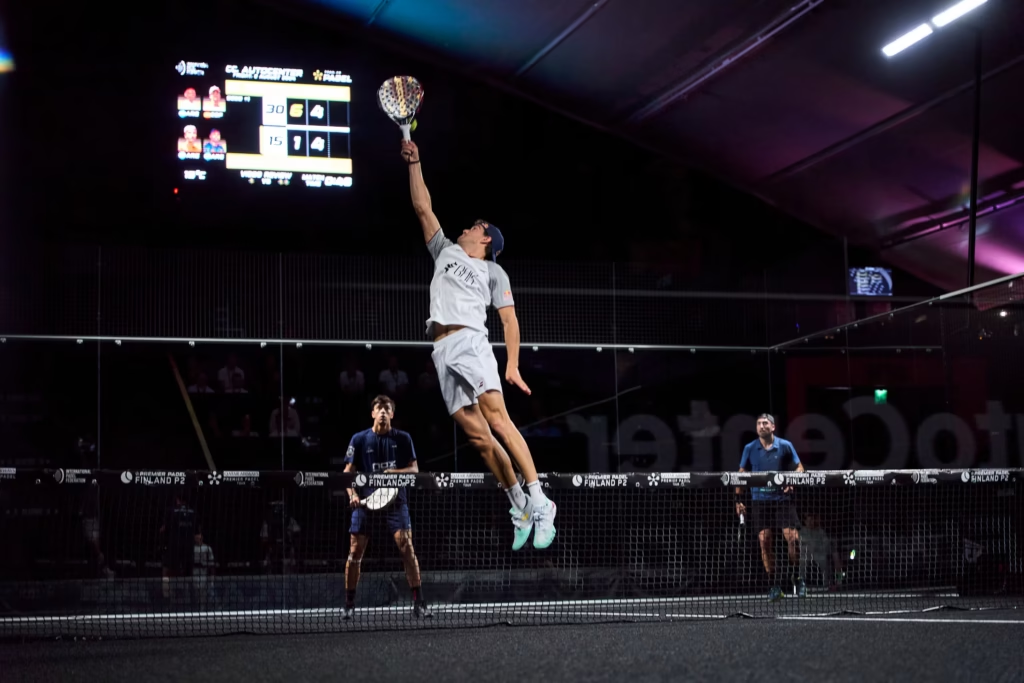
Padel Control vs Power is one of the most important decisions players face when shaping their game. Should you rely on precise placement, consistency, and tactical patience—or push for power to finish points quickly? The right answer depends on your playing level, court position, and match situations.
Table Of Content
- Control vs Power in Padel: Choosing a Winning Style Through Placement, Consistency, and Precision
- Match situations where control outperforms power (defense, transitions, tight lobs)
- Control downsides: when “safe” shots give opponents easy volleys
- Power downsides: unforced errors, poor recovery after big swings
- Decision checklist: court position, opponent speed, and ball height before choosing control or power
- Is Placement More Important Than Power in Padel? Pros and Cons
- High-percentage targets: feet, hip pocket, and behind-the-player zones
- Questions and answers
- On slow courts I feel like my smashes don’t finish points. Should I focus on control instead of power?
- I’m a beginner and my coach says “control first,” but I worry I’ll become too passive. How do I add power without losing consistency?
- Choose control when rallies are long and you play near the back glass; prioritize placement, reliable lobs, and consistent depth.
- Select power when exchanges end fast and you can finish at net; use pace selectively to avoid unforced errors.
- Use a decision checklist: court position, opponent speed, and ball height to pick control or pace in real time.
- Fix safe-ball flaws by adding spin, depth, or body-targets so opponents cannot take easy volley winners.
- Manage recovery after big swings: short backswing, meet ball in front, quick split-step to reduce errors and arrive ready.
In padel, control often wins rallies, while power wins specific moments. Understanding when to prioritize accuracy over pace can reduce unforced errors, improve point construction, and make your attacks more effective. From back-glass defense and high-percentage lobs to net play and finishing overheads, choosing the correct balance between control and power is key to consistent results.
In this guide, we break down Padel Control vs Power through real match scenarios, tactical patterns, and equipment choices. You’ll learn how playing style, technique, and gear—such as racket shape, balance, and footwear—work together to help you win more points with confidence.

Start by prioritizing precision if your rally length averages 6+ shots and you play at least 50% of points near the back glass: invest in accuracy-led placement, reliable lobs, and predictable depth to force weak replies. If your typical exchange ends in ≤4 shots and you frequently take the ball above net height, shift the emphasis to pace-heavy finishing while keeping enough balance to avoid unforced errors.
For 2025–2026 gear available on Amazon, match the racket and footwear to your intent: pick a round/teardrop model that boosts dwell time and directional shotmaking for placement-heavy play, or a diamond-ish option for faster exits when you can end points early. Combine it with shoes that lock the midfoot to stabilize split-step timing; disciplined footwork is what converts a “good idea” into repeatable outcomes under pressure.
The deciding factor is not a label but your tactics and strategy across three patterns: (1) high lob to reset and take net, (2) low-to-high lift with spin to keep the ball off the opponent’s strike zone, (3) controlled acceleration into the open court once you’ve drawn a short ball. Track two metrics for two sessions: forced errors created per set and unforced errors per set; whichever approach raises the first while keeping the second under ~8 is the direction to lean into.
Technique cues that translate immediately: keep contact slightly in front for straighter lines, use compact preparation to disguise direction, and vary spin on bandeja/víbora to change rebound height. Maintain posture and recovery steps after every hit–good balance reduces late swings, and late swings are the fastest way to donate points regardless of racket choice.
Control vs Power in Padel: Choosing a Winning Style Through Placement, Consistency, and Precision
Pick a placement-first game if you can keep 7–8 of 10 balls deep and low: aim cross-court to the opponent’s backhand corner and target the last 60–90 cm before the glass to force awkward rebounds and weak replies. Build accuracy with a simple rule–hit 60% of your shots at “safe pace” (about 70% effort), then increase speed only after you’ve earned net position. This approach rewards clean footwork, stable balance, and repeatable timing, so your rallies don’t break down under pressure.
For consistent point construction, use a clear strategy: defend with high lobs that land 1–2 m from the back glass, then step forward together as a pair. When you reach the net, switch tactics to “body-first” targets–volleys to the ribs and hips reduce opponent reaction time without needing max pace. Add spin for margin: topspin on bandejas and viboras helps the ball dip earlier; slice on volleys keeps it low and skids after the bounce. This shotmaking mix wins points through precision, not brute hitting.
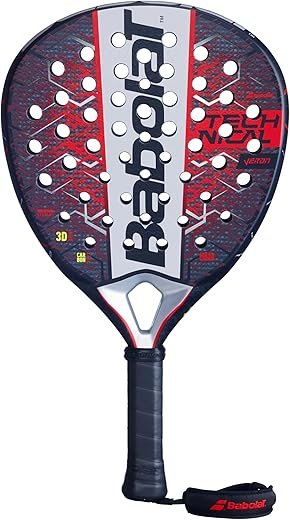
Babolat Technical Veron 2.5 Padel Racket
Gear can support placement and consistency. On Amazon (2025–2026 releases), consider a teardrop-shaped racket with medium EVA and a rough face for spin, such as the Babolat Technical Veron (2025), HEAD Speed Motion (2025), or Nox AT10 Genius (2025). Pair it with stable shoes like the ASICS Gel-Padel Pro (2025) or Adidas Courtquick Padel (2025) to upgrade footwork and braking on the sanded surface. If your timing is late, choose a slightly lighter frame (around 355–365 g) to keep preparation fast on quick volleys and overheads.

NOX AT10 Genius 18K Attack 2024 by Agustin Tapia

Match situations where control outperforms power (defense, transitions, tight lobs)
On defense, prioritize accuracy to the back-corner glass instead of hitting hard: aim 30–60 cm above the net tape and land the ball within 1–1.5 m of the side/back junction. This forces awkward rebounds and buys time to reset your balance. Use compact technique (short backswing, stable wrist) and add light spin–a soft slice makes the ball stay low after the wall, reducing opponents’ attacking options. For practical drilling, pair a 2025–2026 easy-to-maneuver racket like the adidas Metalbone Carbon 3.4 (2025) or Bullpadel Hack 04 Hybrid (2025) (Amazon availability varies) with a “two-bounce to corner” target routine: 20 balls each side, count only shots that die near the corner.
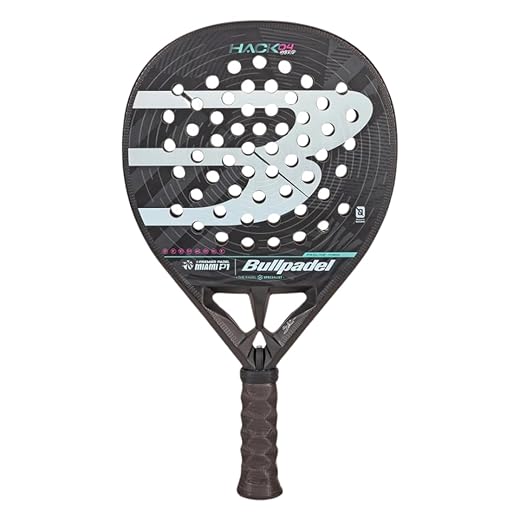
BULLPADEL Padel Racket HACK 04 Hybrid 2025 Miami Paquito Navarro | Limited Edition Diamond Shape | TRICARBON 3D & MULTIEVA Core | Channel Technology & Triple...
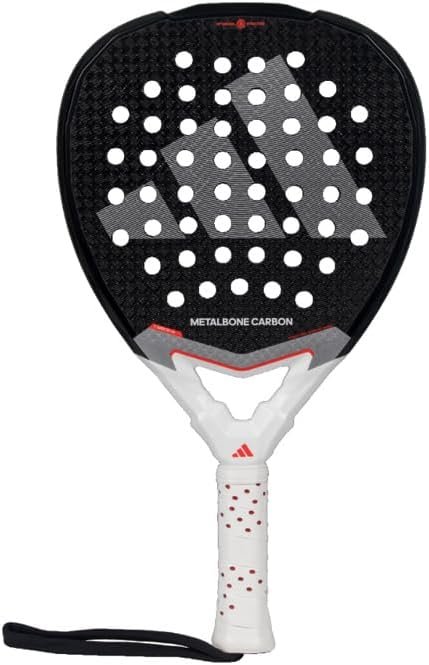
Adidas Metalbone Carbon 3.4 Padel Racket 2025
In transitions (from defense to net), win points with timing and placement: block volleys deep through the middle channel, then step in on the next ball. The key strategy is to slow the rally for one shot, then accelerate your positioning, not your swing. Keep your contact point slightly in front, guide the ball with calm shotmaking, and choose a low, skidding slice volley when opponents are set.
Tight lobs are the fastest way to flip pressure when you’re pinned: use tactics that target the “shoulder line” above the opponent’s non-dominant side and land the ball within ~0.5–1 m of the back wall. A good lob is not just height; it’s timing–strike as the ball rises after the wall so you can add safe lift without floating it short. Add mild topspin (spin via brushing up) to make the ball dip late and stick deep. Practice a simple rule: if you can’t land 7/10 lobs past the service line and within 1 m of the back glass, don’t rush the net; rebuild the point with one extra defensive shot first.
When opponents camp at the net, use “quiet hands” counters: soft chiquita to the feet, then a lifted lob to reset. This strategy rewards clean technique and accuracy over force–especially on faster courts where hard balls rebound into their strike zone.
Control downsides: when “safe” shots give opponents easy volleys
Stop floating “safe” balls to shoulder height in the middle–aim deep to the back glass or play low to the net tape so opponents can’t step in and punch a simple winner.
The main downside of a safety-first strategy is giving the other pair time. A slow, neutral ball that lands short (around the service line) or sits up (chest-high) becomes a gift volley. Good opponents read the timing early, take the ball in front, and turn your accuracy into their attacking tempo. If you notice they volley without moving their feet, your placement is too comfortable.
- Red-flag ball #1: medium pace, mid-court bounce, no spin → easy “block” volley to your feet.
- Red-flag ball #2: high lob with poor depth → overhead taken inside the service box.
- Red-flag ball #3: cross-court push that clears the net by 50+ cm → wide angle volley available.
Fix it with shotmaking choices that force movement: add topspin to dip the ball at the volleyer’s shoelaces, or use a lighter slice so it skids and stays low after the bounce. The goal isn’t speed; it’s uncomfortable contact. Combine technique (compact swing, stable wrist) with timing (hit at peak or early rise) to keep the ball low and deep. If you can’t go deep, go fast at the body–jam the volleyer so they can’t open the racket face.
- Low-to-feet pattern: play 60–80 cm above the net with topspin; target the opponent’s front foot to break their volley base.
- Back-glass pressure: hit deep to the corner so the rebound makes their volley late; keep accuracy within 1 meter of the side wall.
- Body lock: drive to the hip/shoulder line at medium pace; reduce their swing and remove angles.
- Lob with intent: if you lob, add height + depth; make them hit overhead from behind the service line, not on top of the net.
Footwork is the hidden tax of “safe” rallies: if you stand still after a soft shot, the opponents volley to open court and you arrive late. Use split-step as they strike, then recover diagonally to cover the middle first. In doubles tactics, the middle is the highest-percentage target for the other team’s volley; protect it by moving as a pair and keeping your spacing tight (about 2–3 meters) to cut angles.
Gear can help you execute better spin and accuracy without swinging harder. For 2025–2026 Amazon options, look at rackets that make touch easier, such as Nox AT10 12K (2025), Head Extreme Motion (2025), or Adidas Metalbone Carbon (2025 edition)–models known for stable response on softer technique-based shotmaking. Pair that with grippy overgrips and a consistent ball feel to improve timing on lobs and low drives.
Use a simple rule for tactics: if your ball allows a volley without a step, change the height, depth, or spin on the next one. That single adjustment turns “safe” exchanges into rallies where opponents must earn every volley.
Power downsides: unforced errors, poor recovery after big swings
Limit full-speed swings to clear finish situations (short lob, open court, or a weak reply), and use a compact stroke everywhere else to cut unforced errors. If your timing slips by even a fraction, big acceleration sends the ball long or into the net because the contact point drifts and accuracy collapses. Keep your backswing shorter, meet the ball slightly in front, and prioritize stable balance; this simple technique usually drops mistake rates fast while keeping aggressive shotmaking available when it actually pays off.
High-pace hits also damage recovery: after a huge swing, players often land heavy, lose split-step rhythm, and arrive late for the next ball. Build a rule into your strategy: after any hard drive, immediately reset with a quick split step and a small “return step” toward the center. If you feel your body rotating past the shot (over-rotation), reduce follow-through length and add controlled spin instead of extra pace; topspin or a firm slice can create depth and speed control while keeping your feet ready for the next exchange.
Use match-like checkpoints to keep tactics sharp: (1) if you miss two aggressive drives in a game, switch the next three attacking balls to heavy spin with 70–80% swing speed; (2) if you’re pulled wide, avoid the full rip and play a deep cross-court with margin; (3) if you’re off-balance, choose a safer target–middle or body–where accuracy is easier. This pattern keeps initiative without donating free points, and it protects your recovery after big swings.
Gear can help reduce errors caused by poor timing and unstable balance. On Amazon (2025–2026 releases), consider a forgiving, easy-to-swing racket such as Nox AT10 Genius 18K Alum (2025) or HEAD Speed Motion (2025/2026)–both are known for stable response and predictable output, which supports consistent technique and cleaner shotmaking. Pair that with a grippy overgrip like to prevent micro-slips that ruin contact precision.
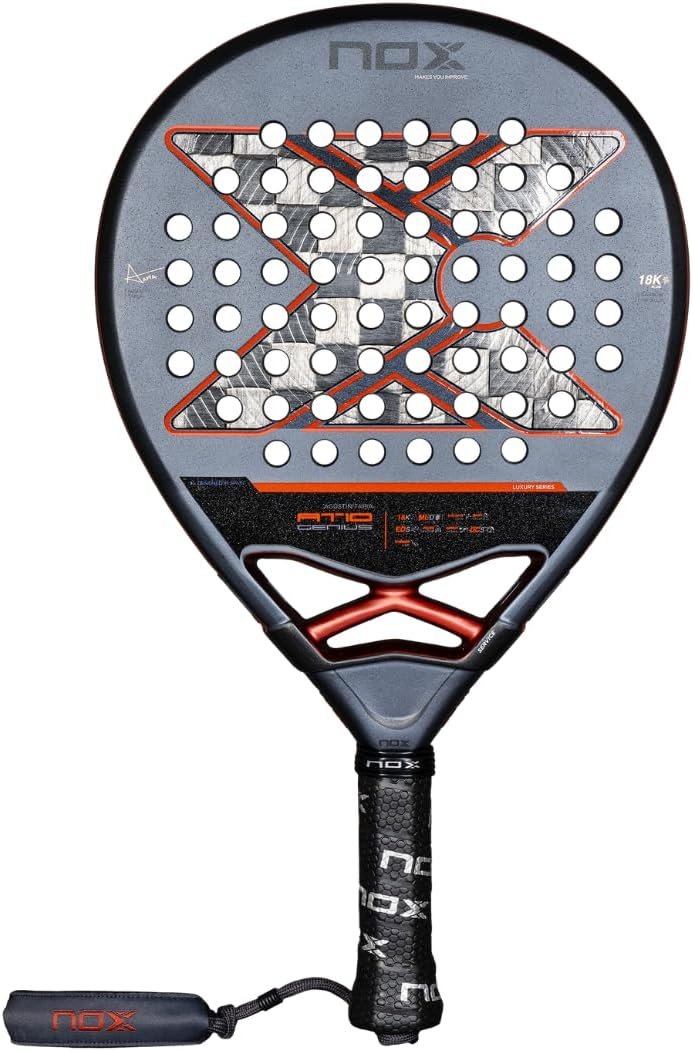
Padel Racket AT10 Genius 18K Alum by Agustin Tapia 2025 | Luxury Teardrop Pala Padel | Enhanced EOS Flap & NOX Custom Grip Technology Dual Texture Spin...
Decision checklist: court position, opponent speed, and ball height before choosing control or power
Pick a precision-first option when you’re deep near the back glass, late to the bounce, or stretched wide; pick a pace-first option when you’re tight to the net, set with stable balance, and the ball sits up above tape height. Use this checklist in real time to decide.
- 1) Court position (where you contact the ball)
- Back third / near back wall: prioritize accuracy and height management. Use a softer swing, compact technique, and add safe spin (topspin to clear the net, slice to keep it low after the glass). Focus on clean timing after rebound.
- Mid-court: mix options based on opponent pressure. If you’re moving, keep shotmaking simple: deep to the corner or a controlled lob. If you’re set, drive flatter to the opponent’s feet.
- Net / inside the service line: go for pace and finishing angles only if your feet are planted. Fast footwork to the contact point first, then accelerate. If you’re off-balance, use a firm volley to the middle seam.
- 2) Opponent speed (what happens after your shot)
- Fast defenders: avoid “hero” hits. Use strategy: play to the body, the middle gap, or behind them. Add heavy spin so the ball kicks after the glass, forcing awkward pickups and reducing their counter pace.
- Slow movers: increase pace only on high-percentage targets–deep corner, sharp angle off the side wall, or a volley to the feet. Your accuracy matters more than raw speed; one extra meter of depth often beats 10% extra pace.
- Quick at the net: don’t feed easy shoulder-height volleys. Choose low, skidding slice or a lob with correct timing to reset the point.
- 3) Ball height (the clearest trigger)
- Below net height: go safer–lift with topspin or use a low slice that stays under their volley line. Short backswings, stable balance, and clean technique prevent pop-ups.
- Net height: choose placement: middle seam, deep to the backhand corner, or into the feet. Prioritize accuracy and quick recovery footwork.
- Above net height (sitter): finish if you’re set. Attack with a drive or overhead, but only when your timing is early and your shoulders are stable; otherwise, use a decisive volley to the open space.
Micro-check in 2 seconds: “Am I set?” (feet under hips), “Is the ball above tape?” “Can they run it down?” If any answer is no, choose the safer option with high accuracy, heavier spin, and simpler shotmaking. If all are yes, add pace and angle–then recover with sharp footwork to keep the net.
Gear that helps this decision (Amazon 2025–2026 models): look for rackets labeled as hybrid/teardrop for balanced response and predictable rebound. Examples widely sold in 2025–2026: Nox AT10 Luxury Genius series (2025/2026 releases), HEAD Speed (2025), Babolat Technical / Air lines (2025), adidas Metalbone (2025). Pair with shoes that support fast stop-start footwork and maintain balance on turf.
- If you often contact low near the glass: pick a racket with medium/soft feel and reliable exit to improve technique, timing, and accuracy.
- If you often finish at the net: choose a slightly firmer face for decisive volleys and overheads, but keep a shape that still supports consistent shotmaking.
Is Placement More Important Than Power in Padel? Pros and Cons
Prioritize placement first: aim for 70–80% rally balls to land deep to the back glass or die low at the side fence, then add pace only on short balls. This approach boosts accuracy, reduces unforced errors, and makes opponents hit upward–especially effective on slow or medium-speed courts.
Advantages of placement-focused play: higher accuracy under pressure, better tactics for moving both rivals, and cleaner shotmaking from safe margins (30–50 cm inside lines). Use timing to contact slightly in front on volleys and closer to the body on defensive lobs; this keeps the ball tight to the wall and forces awkward rebounds. A clear strategy is “deep to the feet → float lob → step in,” which converts defense into attack without risky hitting.
Drawbacks: if placement becomes predictable, rivals adjust their positioning and start countering early. Also, placement-only patterns can fail against teams that volley aggressively; you’ll need spin variation (topspin to dip at the fence, slice to skid after glass) plus footwork to take the ball sooner. If your footwork is late, you’ll place short by accident, giving away easy put-aways.
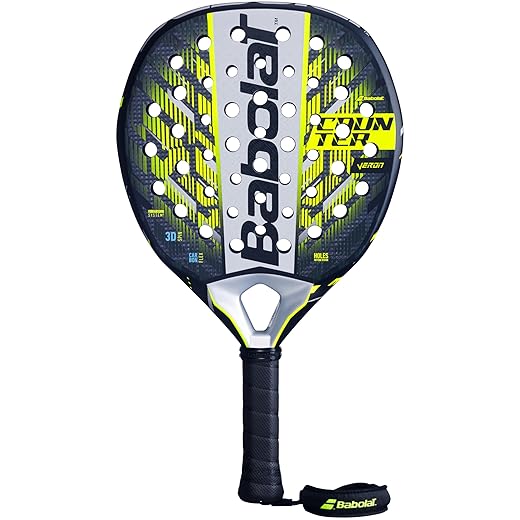
Babolat Counter Veron 2.5 Padel Racket
When pace helps: finish points on sitters and punish weak lobs–use compact technique and accelerate only after stable preparation. A practical rule: hit hard only when you’re inside the service box and balanced; otherwise, use spin and height to neutralize. For training, build a placement “map”: 20 balls to each target (deep middle, deep corner, side fence low, body shot), tracking accuracy and adjusting tactics based on which target breaks opponent rhythm.
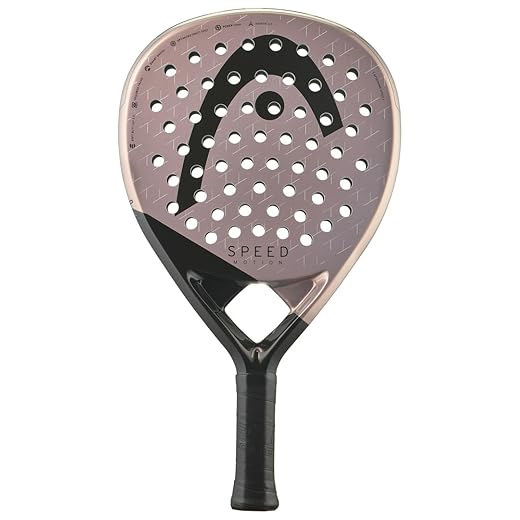
HEAD Speed Padel Racket Paddle Series (Pro, Pro X, Motion, Elite, ONE, ONE X, Team)
Gear examples for 2025–2026 (Amazon-available models) that support precision: Adidas Metalbone Ctrl 3.4 (2025) for stable touch, Babolat Counter Veron (2025) for forgiving shotmaking, Nox ML10 Pro Cup (2025) for consistent timing, Head Speed Motion (2026) for quick exchanges at net.
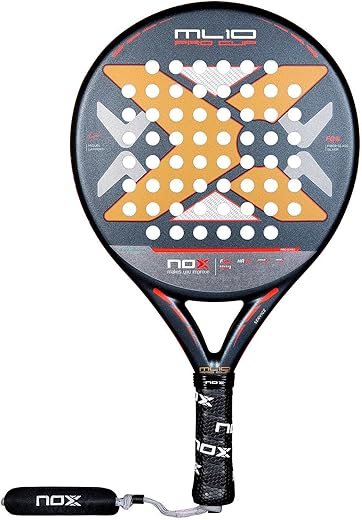
Padel Racket ML10 Pro Cup Rough Surface Edition by Miguel Lamperti 2025 | High-Performance Pala Padel | Carbon Frame & HR3 Core | Rough Sand Finish for...
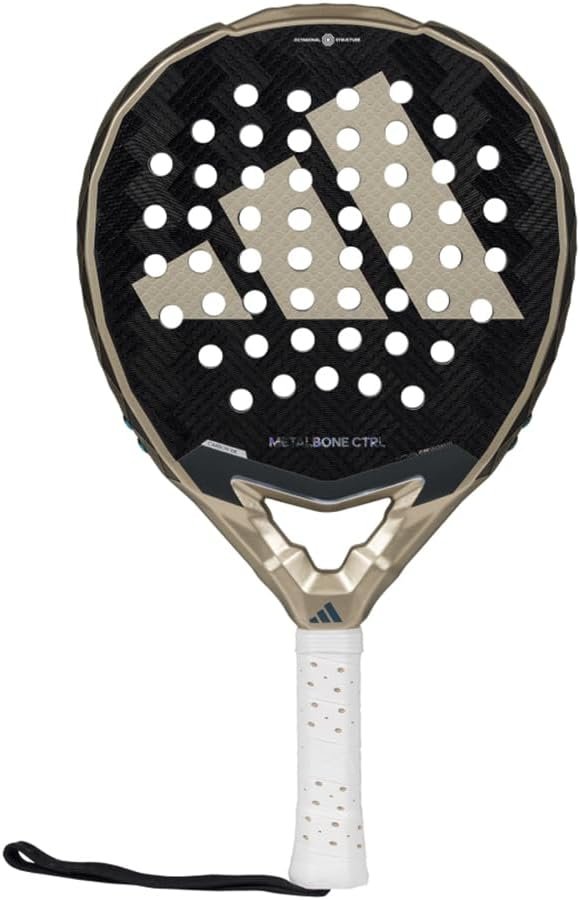
Adidas Metalbone Ctrl 3.4 Padel Racket 2025
| Focus | Best use case | Key skill | Quick drill |
|---|---|---|---|
| Placement to back glass | Neutral rallies, tiring defenders | Accuracy | 4×20 deep balls, count “short” mistakes |
| Low to side fence | Creating weak volleys | Spin | Slice feeds: make 10 balls skid after wall |
| Body targeting | Breaking net players’ posture | Tactics | Volley to chest/hip zone, alternate sides |
| Selective pace | Finishing on short balls | Timing | 3-step approach + hit only from balance |
| Early contact positioning | Stopping opponents’ counterattacks | Footwork | Split-step on every opponent hit, recover to “T” |
High-percentage targets: feet, hip pocket, and behind-the-player zones
Aim first at the opponent’s feet: drive or slice the ball so it lands deep and dips hard in the last meter. Use topspin from a modern teardrop racket (e.g., Nox AT10 Genius 18K Alum 2025 or Bullpadel Hack 04 2026 on Amazon) to make the bounce jump late, forcing awkward footwork and rushed shotmaking. Practical target: second bounce line within 60–90 cm of the feet, ideally after contacting the back glass; this boosts accuracy because the “miss window” is wide–any ball at ankle-to-shin height is uncomfortable and breaks balance.
Attack the “hip pocket” (right hip for right-handers on forehand side, left hip on backhand side) with a medium-pace ball carrying slight sidespin. This zone reduces clean swing paths and blocks a full shoulder turn, so technique quality drops fast under pressure. In rallies, set it up with a cross-court ball to pull the defender wide, then send the next shot bodyline at hip height with controlled spin; the goal is a jammed volley or a floaty lob you can punish. Keep tactics simple: prioritize placement over speed, and measure success by forced half-volleys and short replies rather than outright winners.
Play behind-the-player zones when the opponent steps forward to volley: send a low, skidding ball that lands just past them toward the back corner, or a fast lob that drops behind their shoulder line. The highest-percentage version is a “dip-then-run” trajectory: moderate topspin so the ball clears the net safely, then dives after the bounce, making the defender pivot and chase with compromised balance. Strategy cue: if their weight is on the front foot, go behind; if they’re neutral, go feet; if they’re late on preparation, go hip pocket.
Questions and answers:
On slow courts I feel like my smashes don’t finish points. Should I focus on control instead of power?
Often yes. On slower surfaces and with heavier balls, raw pace loses bite: defenders get time, lobs sit up less, and your hard hits come back. Control helps you win points by building them—deep cross-courts to the back glass, lower net shots that force the opponent to lift, and controlled volleys that keep the pair pinned. A good check is this: if your “big” shots mostly reset the rally or come back fast, switch your goal from “finish” to “move and squeeze.” Use power selectively—overhead to the body, a firm bandeja to the corner, or a quick counter-volley—while keeping your default tempo stable and low-risk.
I’m a beginner and my coach says “control first,” but I worry I’ll become too passive. How do I add power without losing consistency?
Think of power as a slider, not an on/off button. Keep your base pattern simple (high-percentage cross-court, safe lobs, volleys aimed at the middle or deep corner) and add speed only when the ball quality is there: you’re balanced, the ball is in front, and you can hit through the target without changing your swing shape. A practical rule: keep the same swing, change the contact and follow-through length. Shorter follow-through + solid contact gives “firm” pace with control. Also add “smart power”: volley into the opponent’s feet, smash to the fence only when the lob is short, or go hard down the middle to cut angles. If you’re missing more than 2–3 aggressive balls per game, dial it back and rebuild the point instead.



Great advice on how to improve precision and strategy in padel. Investing in accuracy-led placement and gear that supports consistency seems key to success on the court. Looking forward to implementing these tips in my game.
Great tips for improving strategy and shot selection during a pickleball game. I will definitely be implementing some of these techniques in my next match.
Great tips for improving strategy and shotmaking on the squash court. Focus on precision and control to keep the opponents on their toes.