


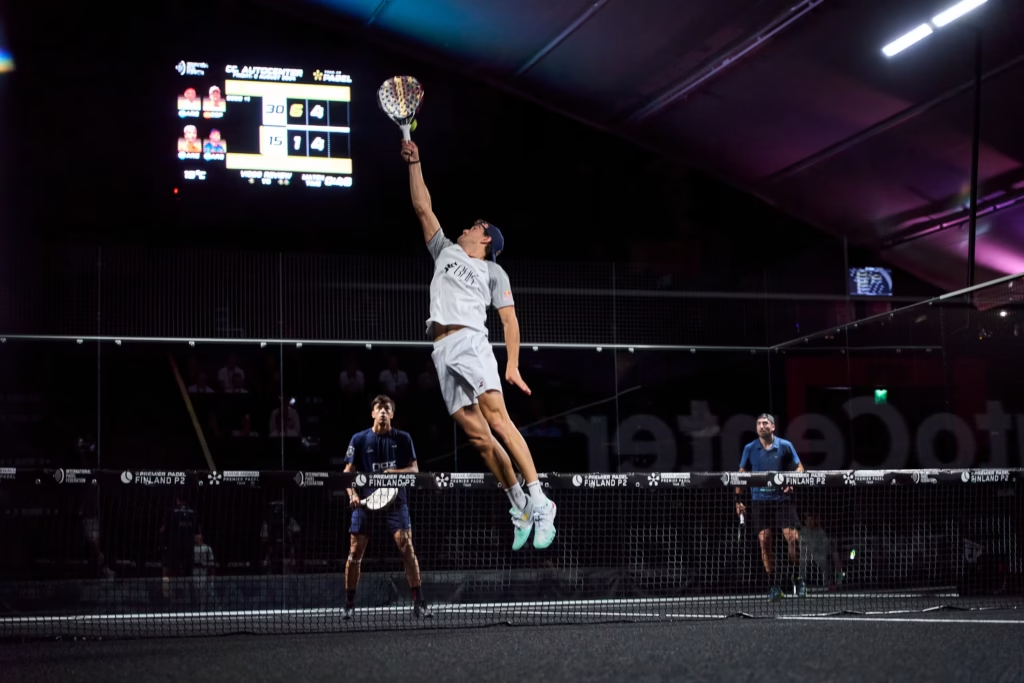
Padel Racket Balance Guide is essential for choosing a racket that perfectly matches your playing style and performance goals. The balance of a padel racket directly affects power, control, maneuverability, and overall feel on the court. By using this Padel Racket Balance Guide, you’ll understand the differences between head-heavy, even, and head-light rackets, helping you select the ideal option for your technique, whether you focus on powerful smashes, quick net play, or all-court consistency.
Table Of Content
- How to Choose a Padel Racket Balance Point for Your Game (2025–2026)
- Balance point in mm: where brands measure it and how to compare specs
- Head-heavy vs even vs handle-heavy: what changes in swing feel and shot outcomes
- Power vs control trade-off: when higher balance adds speed but reduces precision
- Maneuverability at the net: reaction volleys, blocks, and fast exchanges by balance type
- Arm load and fatigue: how balance influences wrist/elbow stress during long matches
- Questions and answers
- How does racket balance change the feel of a padel racket if the weight stays the same?
- I play mostly at the net. Should I pick head-heavy for power on volleys, or will it slow me down?
- Does handle-heavy balance reduce arm pain, or is that mostly about stiffness and vibration?
- Does racket balance really change how much power or control I get in padel, or is it mostly marketing?
- Headheavy increases swingweight and stability, ideal for finishers who need more depth and punch on overheads and drives.
- Headlight lowers perceived swingweight, improving maneuverability and quick volleys for net-first players and faster reactions.
- Neutral balance offers the best all-court compromise: balanced stability and maneuverability for mixed play and consistent placement.
- Adjust balance with overgrips or protectors and match weight/swingweight to avoid arm fatigue while preserving desired power or control.

If you finish points with overheads and flat drives, pick a head-biased setup where more weight sits toward the tip: you’ll feel higher swingweight, which helps the face stay through contact and adds stability on off-center hits. On Amazon (2025–2026 lineups), look at the HEAD Extreme Pro 2025 or HEAD Extreme Motion 2025 if you want that “heavier up top” response without turning every stroke into a workout.
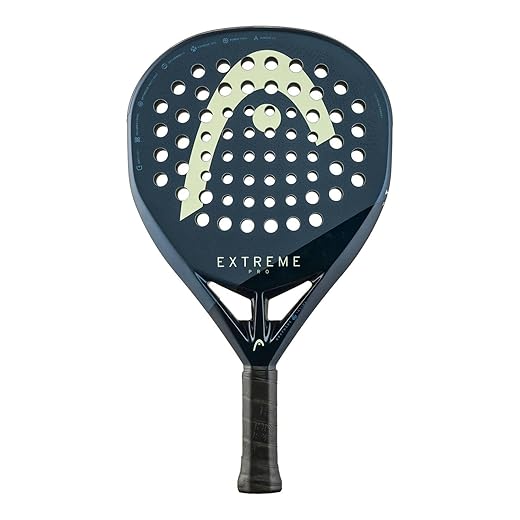
HEAD Extreme Padel Racket Paddle Series (Elite, Motion, One, Pro) | Paddle, Series
If you rely on quick exchanges at the net, defensive lobs, and rapid direction changes, move mass toward the grip: a headlight layout lowers perceived swingweight, improving maneuverability and cleaner handling under pressure. Strong current picks on Amazon include the HEAD Speed Motion 2025 and HEAD Speed One 2025, both tuned for fast preparation and consistent precision when you’re late or stretched.
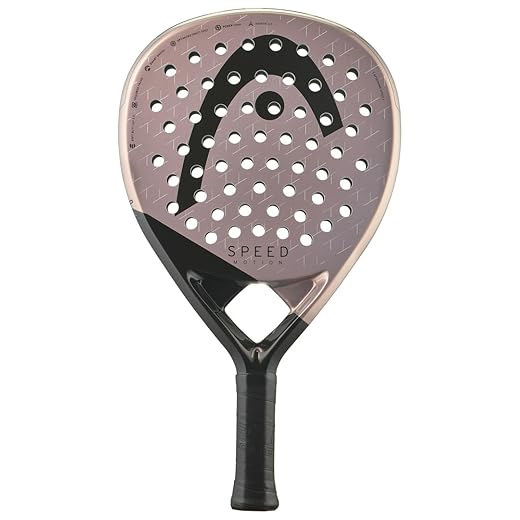
HEAD Speed Padel Racket Paddle Series (Pro, Pro X, Motion, Elite, ONE, ONE X, Team)
When you want a neutral all-court feel, aim for a centered distribution but verify it by feel: a “middle” setup should let you accelerate quickly and keep the face steady on blocks. As a practical rule, if your wrist or forearm tires during repeated viboras/bandejas, your swingweight is likely too high; if your volleys flutter or twist on hard returns, you need more stability via slightly more forward weight or a firmer construction. Amazon-friendly 2025–2026 options that sit in this versatile zone include the HEAD Speed Pro 2025 and HEAD Gravity Pro 2025, built to preserve precision without sacrificing maneuverability.
How to Choose a Padel Racket Balance Point for Your Game (2025–2026)
Choose headlight if you win points with fast reactions at the net; choose headheavy if you finish points from the back court with deeper, heavier shots. As a quick 2025–2026 rule: net-focused players feel best around 255–265 mm (more headlight), all‑court players around 265–275 mm, and baseline finishers around 275–285 mm (more headheavy).
Use weight and swingweight together: a frame can be light but still feel slow if the mass sits forward. For most players in 2025–2026, aim for:
- Women / lighter build / elbow-sensitive: 350–365 g, moderate swingweight feel, more headlight for easy handling.
- Most intermediate men: 360–375 g, mid swingweight feel, neutral-to-slightly-forward point for a clean mix of maneuverability and stability.
- Strong advanced players: 370–385 g, higher swingweight feel, slightly headheavy for heavier ball speed–only if you can keep fast exchanges under pressure.
Match the point distribution to your role on court (this affects precision more than most people expect):
- Right-side builder / volley-first: prioritize headlight or near-neutral. You’ll get cleaner blocks, faster flicks, and better maneuverability on body shots; this usually boosts precision on tight angles.
- Left-side finisher: lean slightly headheavy to add punch on overheads and attacking drives; accept that handling in hand battles becomes more demanding.
- All-court: choose neutral-to-slightly-forward and adjust with overgrips (handle shifts you more headlight) or a small protector (adds forward feel for more stability).
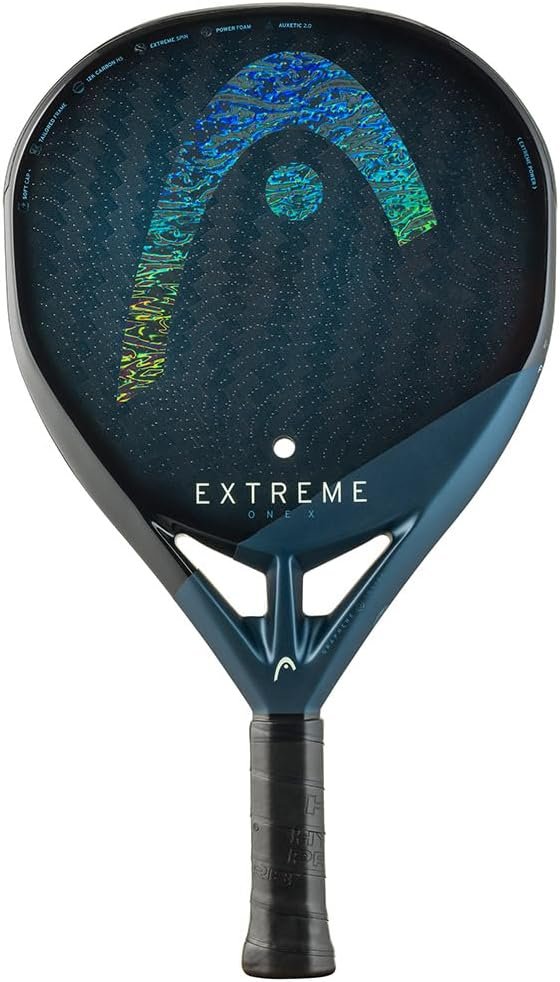
HEAD Extreme Padel Racket Paddle Series (Elite, Motion, One, Pro) | Paddle, Series
Concrete 2025–2026 picks commonly found on Amazon (check the exact year/variant in the listing):
- HEAD Extreme One (2025): often feels slightly forward; good if you want extra stability without losing too much maneuverability.
- HEAD Speed One (2025): typically quicker through the air; better handling for fast net exchanges and higher precision on placement.
- HEAD Gravity Pro (2025/2026): tends to reward calm, technical swings; choose it if you want a steadier impact feel and consistent precision under pace.

HEAD Speed Padel Racket Paddle Series (Pro, Pro X, Motion, Elite, ONE, ONE X, Team)
Fast self-test before buying: if you struggle on quick volleys, go more headlight; if your lobs and overheads lack depth, go more headheavy. Then fine-tune: +1 overgrip makes the feel more headlight (better maneuverability), while a thicker protector adds forward feel (more stability)–both can change perceived swingweight and your real-world precision.
Balance point in mm: where brands measure it and how to compare specs
Rule to compare specs: only compare a “balance point” in mm if the brand states the reference point (end-cap vs middle of the handle) and the measuring setup (bare frame vs with grip/overgrip, with/without protector). If this info is missing, treat the number as marketing and use swingweight + your on-court feel instead.
Most 2025–2026 models sold on Amazon list a mm value measured from the butt cap to the point where the frame stays level on a ruler/rod. In that system, typical ranges are: ~255–265 mm = headlight (faster maneuverability, easier handling at the net), ~265–275 mm = neutral (best all‑around precision), ~275–290+ mm = headheavy (more mass up top, higher swingweight, more stability on hard hits). When brands measure from the center of the handle instead, the same frame can look “20–30 mm lower” on paper–so convert or ignore the raw number.
How to normalize brand numbers (fast method): ask yourself “from the butt cap?” If yes, compare directly. If not stated, assume it may be from a different reference and verify by a quick home test: place a pencil under the frame, slide it until the frame is level, then measure from butt cap to that point in mm. Do this with the same setup you play (same overgrip + same frame protector), because adding an overgrip can shift the point ~3–7 mm toward the handle, while a top protector can push it ~2–5 mm toward the head. Those small shifts change sweetspot feel and volleys noticeably.
When shopping Amazon 2025–2026 releases (for example, current lines from Head, NOX, adidas, Babolat, Bullpadel), use a two-number filter for SEO‑smart comparisons: mm point + swingweight estimate. A frame can show a moderate mm value but still feel slow because its swingweight is high (thicker head, dense material). For quick comparison without lab data: if two frames have the same weight, the one with the higher mm point will usually feel more headheavy, hit “heavier,” and have a larger, higher-positioned sweetspot; the lower one will feel more headlight and allow sharper directional changes for better precision.
Practical buying guidance: if you play fast at the net, look for ~255–270 mm and prioritize maneuverability and crisp handling. If you hit from deep and like firm blocks, ~275–285 mm typically gives more stability. If your elbow/shoulder gets tired, avoid extreme headheavy specs and choose a lower mm point even if the weight is the same.
Head-heavy vs even vs handle-heavy: what changes in swing feel and shot outcomes
Choose headheavy if you finish points with overheads and fast drives from mid-court: the higher swingweight makes the face hit “through” the ball more, but it slows last-second corrections at the net. For most intermediate players, this means better depth on lobs and stronger smashes, with a small drop in precision on quick volleys.
With a headheavy setup, the sweetspot tends to feel higher in the hoop and more “loaded.” If you often contact slightly late, this can help keep shots deep because the extra effective weight at the tip reduces twisting and improves stability. Recommendation: pick headheavy when you win points by finishing, and accept that maneuverability on rapid exchanges will be lower–so shorten your backswing and use more compact volleys.
An “even” feel sits in the middle: the swingweight stays manageable while the sweetspot feels more central, which usually boosts precision for block volleys and directional placement. This is the safest choice for mixed play (defend, build, then attack) because you can accelerate the head without feeling late, yet you still get enough stability when returning heavy shots.
Go headlight (handle-biased) if you play a lot at the net, react to fast balls, or rely on angles and touch. Lower swingweight increases maneuverability, so you can “steer” the face in the final moment and keep volleys low. Trade-off: less free punch on long drives; to compensate, use cleaner timing and engage legs/torso. If your shots die short under pressure, you likely need either more overall weight or a slightly less headlight setup.
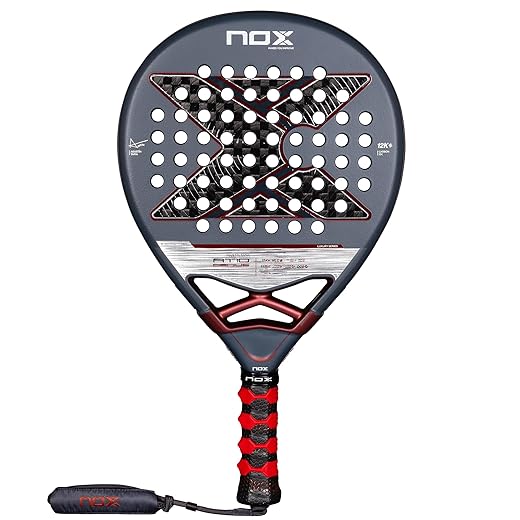
Padel Racket AT10 Genius 12K by Agustin Tapia 2025 | Luxury Series Teardrop Pala Padel | EOS Flap Aerodynamics & Custom Grip Technology | Carbon with MLD...
Features
| Size | 38 mm |
| Brand | NOX |
| Grip Size | 3 3/8 inches |
| Sport | Padel |
| Material | Carbon Fiber |
| Skill Level | All |
| Frame Material | Carbon |
| Shaft Material | Carbon Fiber |
| Item Weight | 1 Kilograms |
| Age Range Description | Adult |
- ADVANCED PADEL TECHNOLOGY: Experience the pinnacle of padel performance with the AT10 Genius 12K Racket by Agustin Tapia. Featuring Exclusive Spin technology with a 3D hexagonal pattern and sandy texture for enhanced ball spin, this pala padel is designed for serious padel players who demand control and power in their game.
- SUPERIOR CONSTRUCTION AND MATERIALS: Crafted with high-quality 12K carbon fiber and a multi-layer MLD Black EVA core, this raqueta de padel offers an intermediate to high hardness for a solid hitting feel. The perfect choice for advanced players, ensuring durability and consistent play with every shot.
- ERGONOMIC DESIGN FOR ENHANCED PLAY: Reduce vibrations and increase grip with the NOX Custom Grip technology, certified by Testea Padel. This advanced feature makes the AT10 Genius 12K a standout paddle racket for adults, providing a 52% increase in grip and a 29% reduction in vibrations for a comfortable, fatigue-free playing experience.
- OPTIMIZED WEIGHT DISTRIBUTION FOR QUICK STRIKES: With EOS Flap technology, this pala de padel is engineered for optimal weight distribution and manageability, enhancing aerodynamics and allowing for swift, precise strikes. The teardrop shape aids in maintaining a fast and lethal presence on the court, making it ideal for competitive padel.
- CERTIFIED QUALITY AND DURABILITY: Each pala padel comes with a Testea Padel quality seal, ensuring that all padel rackets adhere to rigorous standards for uniform performance and durability. Trust in a pala de padel that withstands intense play and offers longevity, backed by comprehensive laboratory testing for resistance to breakage and wear.
Quick shopping targets for 2025–2026 models on Amazon: if you want headheavy feel, look at options like Head Extreme Pro 2025 or Bullpadel Hack 04 2026-style frames (often higher swingweight, solid stability). For a more even feel, search for Head Speed Pro 2025 or NOX AT10 Genius 12K-type builds (central sweetspot, reliable precision). For headlight feel, many “advanced touch/net” frames marketed for quick hands aim for lower swingweight and maximum maneuverability.
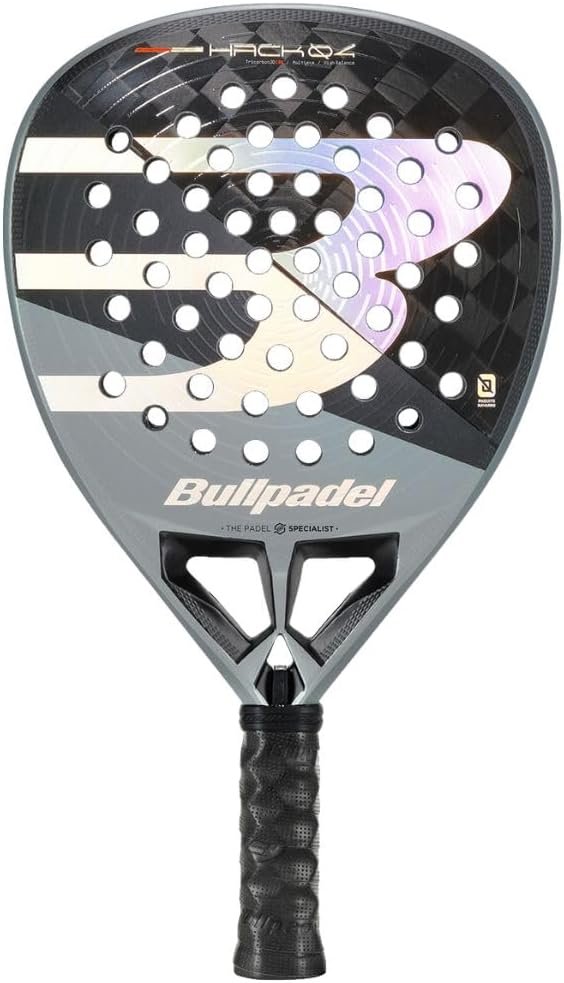
BULLPADEL Padel Racket HACK 04 2026 | Dynamic Power Pala Padel with Channel Aerodynamics | TriCarbon 18K Face, Multieva Core, Tricore Stability | Air React...

HEAD Speed Padel Racket Paddle Series (Pro, Pro X, Motion, Elite, ONE, ONE X, Team)
| Setup | Swing Feel (keywords) | Best Shot Outcomes | Who Should Pick It |
|---|---|---|---|
| Head Heavy | Higher swingweight, more tip weight, strong stability, slightly lower maneuverability | Deeper drives, heavier overheads, more forgiving on late contact, less hand-speed precision | Finishers, mid-court hitters, players who prefer a “planted” powerful feel |
| Neutral / Even | Medium swingweight, centered sweet spot, balanced stability and maneuverability | Consistent placement, smooth defense-to-attack transitions, reliable control | All-court players, developing and intermediate players |
| Head Light | Lower swingweight, faster handling, top maneuverability, less mass behind the ball | Sharper angles, quicker volleys, faster reactions, less automatic depth | Net-first players, counter-punchers, players who value speed and control |
Power vs control trade-off: when higher balance adds speed but reduces precision
If you want faster ball speed on smashes and viboras, choose a headheavy frame–but only if you can keep precision on quick volleys; otherwise go headlight for cleaner placement and easier defense.
A higher balance point increases effective swingweight, so the head carries more momentum through contact. That typically boosts depth and pace on overheads, but it also slows down last-second adjustments: your maneuverability drops, and “micro-corrections” at the net become harder. In practice, players who rely on fast exchanges should prioritize fast handling over raw speed: if your volley preparation is late by even a fraction, the heavier tip will drag the face open/closed and you’ll miss lines more often.
For accuracy, a headlight setup usually wins because it lets you accelerate and stop the head quickly, keeping the face stable at impact. It also helps when defending glass rebounds: you can get the head under the ball sooner and control trajectory. If you still want extra punch without losing too much precision, look for a slightly higher balance paired with a large sweetspot and strong stability (carbon layup, reinforced bridge) so the head doesn’t twist on off-center hits.
Concrete 2025–2026 Amazon picks to illustrate the trade-off: HEAD Speed Motion 2025 (easy maneuverability and forgiving sweetspot for net play), HEAD Extreme Motion 2025 (more punch with manageable handling), and HEAD Extreme Pro 2025 (more headheavy feel and higher swingweight–great for aggressive overheads, less forgiving in rapid volleys). If your match stats show more forced errors at the net than winners on overheads, downshift one step toward the lighter-head option.

HEAD Extreme Padel Racket Paddle Series (Elite, Motion, One, Pro) | Paddle, Series
Maneuverability at the net: reaction volleys, blocks, and fast exchanges by balance type
For faster reaction volleys at the net, choose a headlight setup with a lower swingweight: you’ll get quicker handling on last-second blocks and a cleaner “catch-and-redirect” feel on rapid exchanges. 2025–2026 options commonly listed on Amazon that fit this net-first idea include HEAD Speed Motion 2025 and HEAD Zephyr Pro 2025. With these, focus on compact strokes: keep the face stable, punch short, and aim to meet the ball early–this boosts precision and reduces wrist panic when the pace spikes.
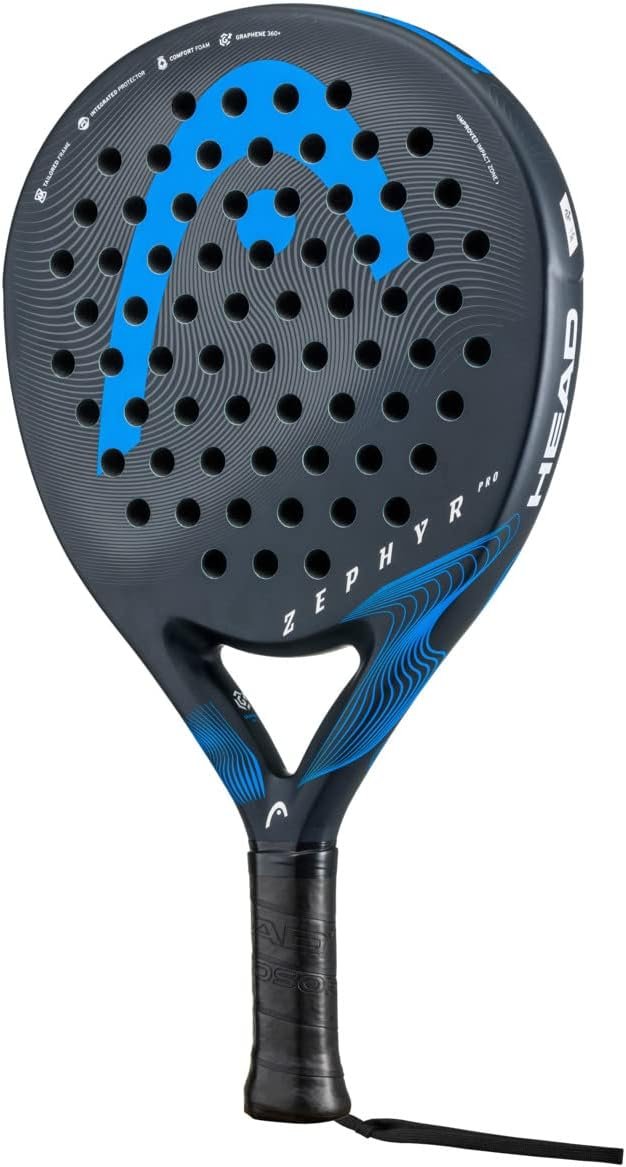
HEAD Graphene 360 Zephyr Padel/Pop Tennis Paddle Series (Zephyr,Pro, UL)
If you prefer more punch on counter-volleying but still want usable maneuverability, a middle-of-the-road distribution is the safer choice for most players: it tends to preserve a forgiving sweetspot while keeping the frame steady during blocks. Amazon 2025–2026 examples often chosen for quick-net play are HEAD Speed Pro 2025 and HEAD Gravity Pro 2025. Practical cue: on fast exchanges, block with a firm base and minimal follow-through; the extra stability helps the face hold its line even when contact isn’t perfect.
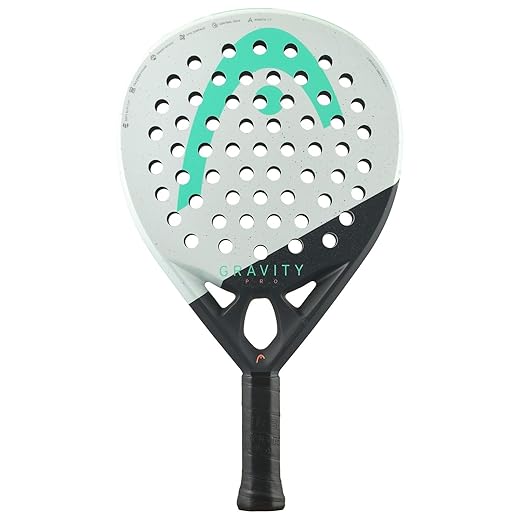
HEAD Gravity Padel Racket Paddle Series (Pro, Motion, Elite)
A headheavy setup can feel slower to start, but it rewards you when the rally becomes a “hands battle” with hard incoming balls: the added mass up top can improve stability on defensive volleys and makes “stick” blocks more effective–if you prepare early. Look on Amazon at 2025–2026 models like HEAD Extreme Pro 2025 or HEAD Speed Pro X 2025 (availability varies by region). Net tip: set the face angle before the opponent hits, keep elbows in, and let the frame do the work; this reduces timing errors caused by higher swingweight.
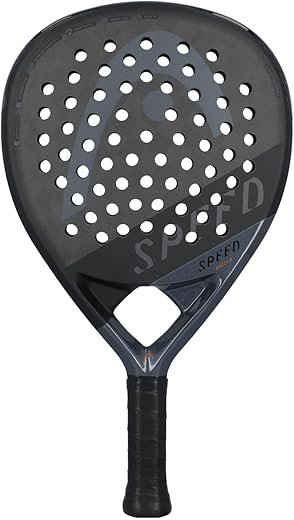
HEAD Speed Padel Racket Paddle Series (Pro, Pro X, Motion, Elite, ONE, ONE X, Team)
Arm load and fatigue: how balance influences wrist/elbow stress during long matches
Choose a headlight setup if you feel wrist or elbow soreness after 60–90 minutes: it reduces the lever effect on the forearm and usually lowers perceived arm load during fast exchanges. In practical terms, players who switch from headheavy to headlight often report easier handling on quick volleys and fewer “late-hit” vibrations that irritate the elbow. For SEO-driven buying, look for listings that publish swingweight (not just grams): aim for ~350–365 for frequent play, and consider 365–380 only if your technique is solid and you don’t get tendon flare-ups.
Headheavy builds momentum and can feel “effortless” on smashes, but during long matches it increases rotational stress at the wrist–especially on off-center contacts. That’s where the sweetspot matters: a larger sweetspot reduces shock on mishits, which is a common trigger for elbow discomfort. If you like headheavy feel, prioritize frames marketed for stability (torsion resistance) and pair them with a softer core; this combo can keep impact harshness down without sacrificing your usual finishing shots.

Adidas Metalbone Padel Racket Paddle Series
Features
| Size | One Size |
| Brand | adidas |
| Grip Size | 3 3/8 inches |
| Sport | Padel |
| Material | Fiberglass |
| Skill Level | Advanced |
| Frame Material | Fiberglass |
| Item Weight | 360 Grams |
| Global Trade Identification Number | 08436548248864 |
| Color | Unique |
- Ale Galán's Metalbone 3.3 racket is a combination of Carbon Aluminized 2 T0 1 on the surface and Eva Soft Performance rubber in the core of the racket
- This combination translates into a hardness also characterized by its comfort. Octagonal Structure technology consists of a tubular structure in octagonal section to offer superior rigidity
- the Weight & Balance System, allowing you to modify the heart of the racket that allows you to modify the weight and balance using 6 screws
- The Spin Blade is synonymous with surprising effects thanks to its octagonal roughness spread over the entire surface.
- The Carbon Aluminized 2 TO 1 consists of aluminized carbon fibers placed in a special 2 to 1 way that provides great power and less flexibility.
For injury prevention and better maneuverability late in a third set, tune three things together: swingweight, grip size, and overgrip thickness. A grip that’s too small forces extra squeeze, increasing forearm fatigue and reducing precision on defensive blocks. A slightly thicker overgrip can relax the hand, and that alone often reduces wrist stress more than changing total weight. If you can’t test in person, pick models with published specs and consistent QC from 2025–2026 Amazon releases such as NOX AT10 Luxury Genius 18K Alum 2025, Adidas Metalbone 3.3 2025, or HEAD Extreme Pro 2025, then choose the variant that feels easier to accelerate rather than the one that “hits hardest” on fresh arms.
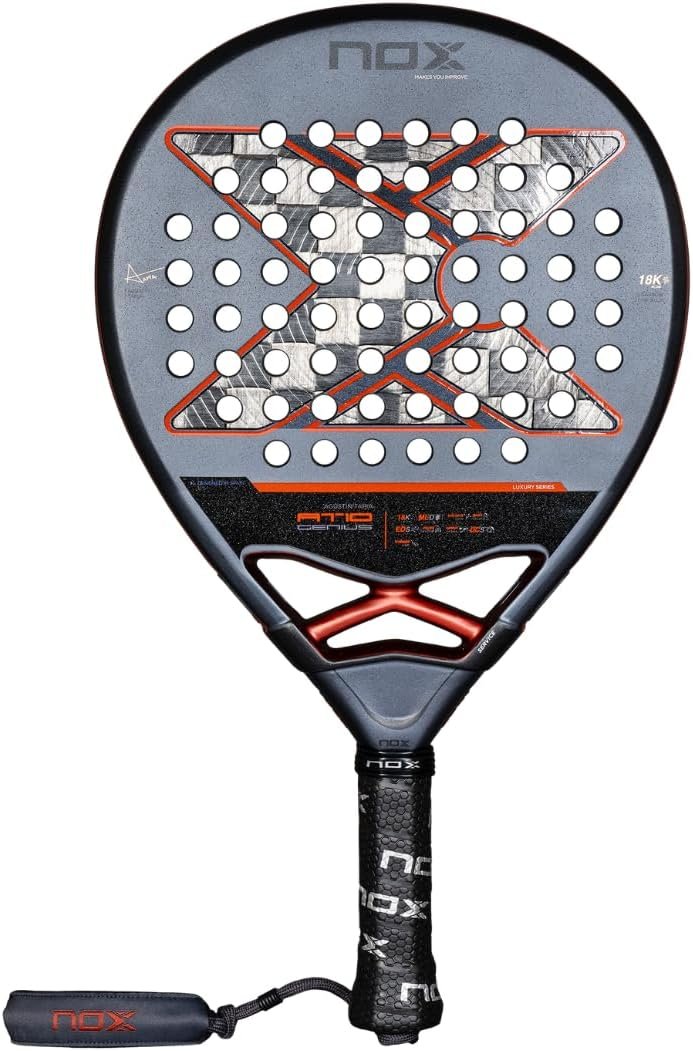
Padel Racket AT10 Genius 18K Alum by Agustin Tapia 2025 | Luxury Teardrop Pala Padel | Enhanced EOS Flap & NOX Custom Grip Technology Dual Texture Spin...
Quick self-check for long-match comfort: if your elbow aches after defensive lobs and quick resets, you likely need more maneuverability (go headlight and/or lower swingweight). If your wrist aches mainly after overheads, your frame may be too headheavy for your current conditioning–reduce swingweight first, then expand sweetspot via a softer setup and better shock damping so you can keep precision without paying for it in tendon stress.
Questions and answers:
How does racket balance change the feel of a padel racket if the weight stays the same?
Balance is about where the mass sits. Two rackets can both weigh 360 g, but feel completely different in motion. A head-heavy racket puts more mass toward the tip, so the swing feels “heavier” and slower to start/stop, yet it carries more momentum through the ball. A handle-heavy racket places more mass near your hand, so it feels quicker to accelerate and easier to brake, which helps in fast exchanges. An even-balance racket sits between those two: stable enough for solid contact, but not as sluggish as head-heavy models. This is why balance often matters more than the number on the scale for volley speed, recovery after a shot, and comfort during long rallies.
I play mostly at the net. Should I pick head-heavy for power on volleys, or will it slow me down?
If your game is built on quick reactions—blocking hard shots, rapid volley-to-volley exchanges, and fast transitions—head-heavy can slow your hands down. You may hit firmer “punch” volleys because the racket carries more inertia, but you’ll typically lose some responsiveness on sudden changes of direction (body shots, surprise lobs, rapid counter-volley patterns). Many net-focused players do better with even balance or slightly handle-heavy: you gain faster preparation, cleaner redirections, and easier recovery after contact. If you still want extra weight through the ball, consider adding a small amount of weight to the upper frame rather than jumping to a strongly head-heavy balance.
Does handle-heavy balance reduce arm pain, or is that mostly about stiffness and vibration?
Handle-heavy can feel kinder on the arm for many players because the racket is easier to maneuver and you don’t fight as much inertia during rapid shots. It often reduces the “late hit” problem at the net, which can send shock into the wrist/forearm. Still, discomfort is usually a mix of factors: frame stiffness, foam density, sweet spot size, and how much vibration reaches the hand. A handle-heavy racket that is very stiff can still feel harsh, while an even-balance racket with a softer core can feel comfortable. If you’re managing elbow/wrist issues, prioritize a softer feel and a forgiving sweet spot, then choose balance based on your playing style.
Does racket balance really change how much power or control I get in padel, or is it mostly marketing?
Balance changes the *feel* and the *result* because it shifts where the racket’s mass sits relative to your hand. A head-heavy racket places more mass toward the tip, so the swing carries extra momentum through the ball. That tends to help on flat winners, overheads, and when you’re trying to finish points—especially if you already have decent technique and timing. The trade-off is speed: quick reactions at the net and fast changes of direction can feel slower, and mishits may twist the racket more on contact.
An even-balance racket sits in the middle. It usually feels “neutral,” making it easier to switch between defending and attacking without the racket feeling sluggish or too light. Many players choose this when they want one setup for volleys, lobs, bandejas, and counterattacks without constantly adapting their swing.
A handle-heavy (head-light) racket keeps more mass closer to your hand. That typically improves maneuverability, helps with quick volleys, blocks, and defensive digs, and can reduce the feeling of fatigue in long rallies. The trade-off is that you may need to generate more racket-head speed yourself to get the same depth or put-away power, especially from the back of the court.
So it’s not marketing: balance affects swing speed, stability on off-center hits, and how easily you can accelerate or stop the racket. The “best” balance is the one that matches your role (net vs baseline), your timing, and how much of the pace you prefer to create versus receive.



No Comment! Be the first one.