


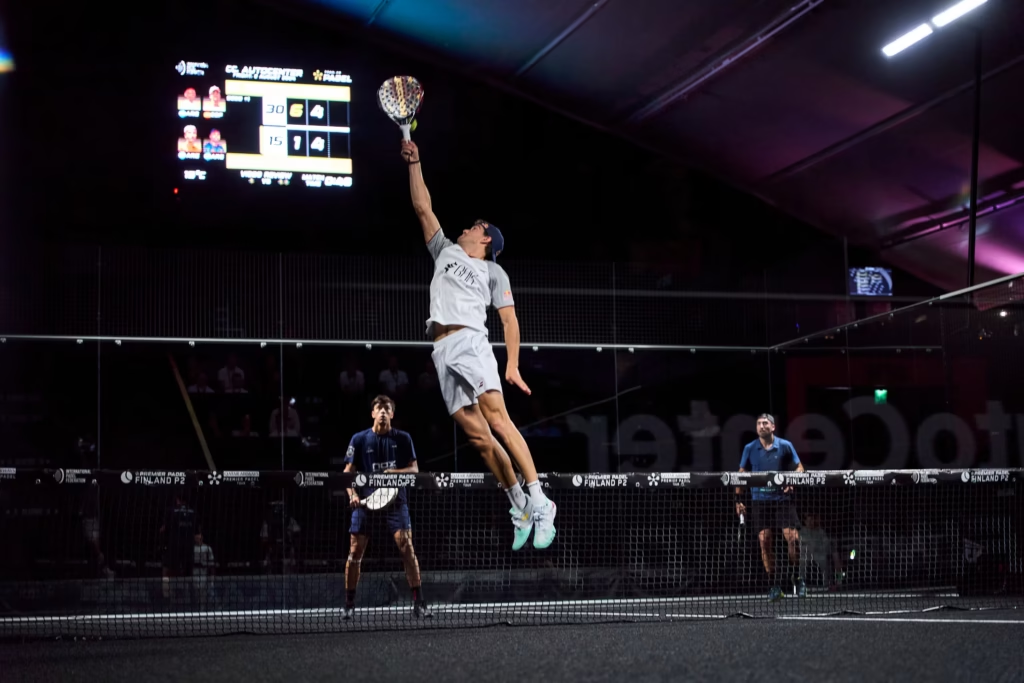
In the fast-evolving world of padel, where strategy often trumps raw power, the demand for superior control has never been higher. For players looking to dominate the net, execute precise lobs, and dictate the game’s pace, the right racket is not just equipment—it’s an extension of their tactical mind. This is where Pros Pick Control Padel Rackets come into focus. Engineered for players who prioritize feel, accuracy, and defensive mastery, these rackets are the secret weapons behind consistent volleys, impeccable ball placement, and unshakable court positioning. In this expert guide, we dissect the top control-oriented models favored by seasoned players and coaches.
Table Of Content
- What Really Makes Control Rackets the Pro Choice in 2025–2026
- How control-oriented shapes (round vs teardrop) change shot margins under pressure
- Why low-to-mid balance improves recovery speed after volleys and bandejas
- How foam density (soft EVA vs hard EVA) impacts touch on dropshots and lobs
- When a smaller sweet spot becomes an advantage for repeatable contact
- Control vs Power: Match Situations Where Pros Prioritize Precision
- Why building points with deep cross-courts beats going for winners on slower courts
- Tactics for Slower Courts
- Questions and answers
- Why do many pros pick a control padel racket instead of a power model?
- Does a control racket mean you can’t hit hard smashes or finish points?
- I’m an intermediate player: will a control racket help my consistency, or will it make me too passive?
- How do pros decide between a control racket and a power racket for a specific match or court?
- Why do many pros choose control padel rackets instead of power models?
- Choose round or teardrop 2025–2026 frames with medium balance for steadier face angles and sharper placement under pressure.
- Prefer carbon frames and anti-torsion reinforcement to reduce twisting and preserve accuracy on off-center hits and blocks.
- Match foam density to shots: soft EVA for grabby drops; hard EVA for firmer, deeper lobs and quicker rebound.
- Low-to-mid balance and head-light feel speed recovery after volleys, improving maneuverability and consistent placement in fast exchanges.
We’ll break down the critical technologies—from soft-core foam and diamond-shaped balances to carbon fiber faces and rough surfaces—that enhance touch and responsiveness. Whether you’re a strategic baseline player or an agile net competitor, discover how the right control racket can transform your defensive plays into powerful offensive opportunities, ensuring every shot is executed with confidence and intention. Get ready to elevate your game with the precision tools the pros trust.

ecommendation: if your match plan leans on accuracy in the bandeja, tight vibora lines, and reliable lobs under pressure, pick a teardrop/round shape with a medium balance (roughly 255–270 mm), 360–375 g weight, and a softer-to-medium EVA or hybrid core. This setup improves handling in fast exchanges and keeps your swing compact, which directly raises shot quality in the last 2–3 meters of the court where points are decided.
High-level players gravitate to this spec because it optimizes defense without giving away initiative: quicker maneuverability for late blocks at the fence, cleaner transitions from backhand to forehand in 0.3–0.5 seconds, and better touch on low volleys. A slightly lower balance reduces wrist load and makes repeatable micro-adjustments easier, so your placement stays consistent even when footwork breaks down.
Look for 2025–2026 Amazon-available lines built around carbon frames and refined face layups that prioritize stability on off-center hits: examples include the HEAD Speed Motion 2025, NOX ML10 Pro Cup Luxury 2025, and Bullpadel Vertex Control 2026. Target models with anti-vibration features or reinforced bridges if you often defend hard-driven balls; the added torsional stiffness keeps the face from twisting, preserving accuracy on blocks and controlled counterattacks.

Padel Racket ML10 Pro Cup Rough Surface Edition by Miguel Lamperti 2025 | High-Performance Pala Padel | Carbon Frame & HR3 Core | Rough Sand Finish for...
To choose fast, compare two numbers on listings/spec sheets: (1) head heaviness (lower is better for maneuverability), and (2) recommended player level vs. core density (softer/hybrid for better touch, medium for firmer response). If you routinely miss wide by 10–20 cm under pace, prioritize balance and handling first; power can be added later via rough-surface faces and slightly higher swing weight–without sacrificing placement.
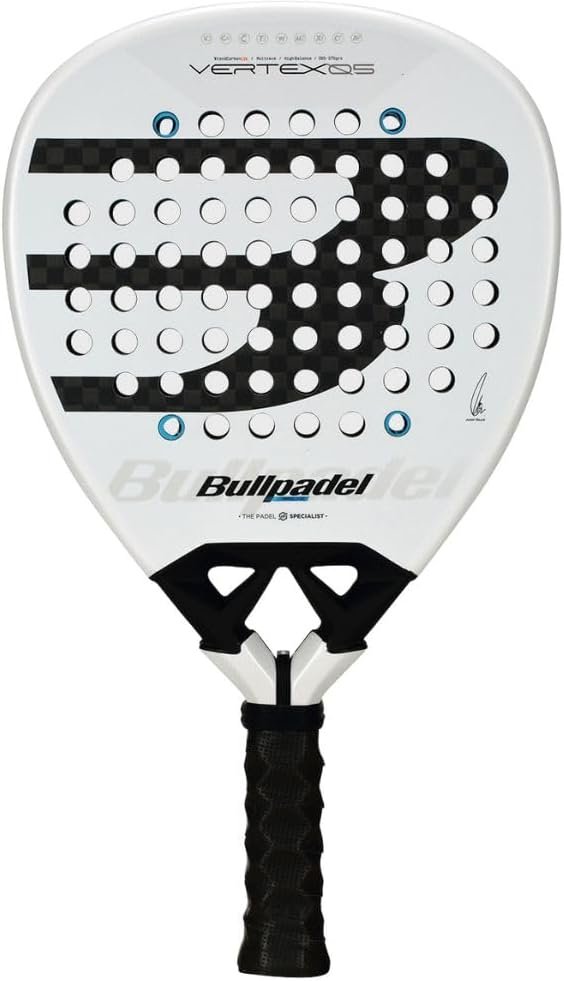
BULLPADEL Padel Racket Vertex 05 2026 | Juan Tello Pala Padel for Multipurpose Balance & Control | Air Power, Xtend-Carbon 12K Face, Multieva | Curvaktiv...
What Really Makes Control Rackets the Pro Choice in 2025–2026
Pick a teardrop or round 2025–2026 frame with a medium balance and 3K/12K carbon plus an EVA Soft/Medium core if you want maximum accuracy without sacrificing stability on fast exchanges. This combo keeps the face steady on blocked volleys and makes placement predictable from the first set, especially when you’re aiming deep to the back glass or threading balls down the middle lane.
Stability in 2025–2026 models comes mostly from smarter reinforcement: thicker bridge ribs, anti-torsion channels, and perimeter frames that reduce twisting on off-center hits. Look for specs such as 38 mm profile and carbon frame construction, then confirm reviews mention “less vibration” and “solid feel.” That tighter response improves touch on short angles and adds confidence in defense when you’re absorbing pace instead of swinging big.
Maneuverability and handling are dominated by swing weight, not marketing labels. For quick reactions at the net, target a head-light to neutral balance (often felt immediately when you do rapid wrist turns). If you’re choosing between two similar options, the one that changes direction faster will usually deliver better placement under pressure–because your racket arrives earlier and more square to the ball, boosting accuracy on punch volleys and controlled lobs.
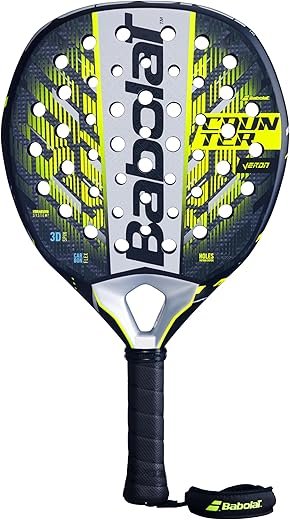
Babolat Counter Veron 2.5 Padel Racket
For Amazon-ready 2025–2026 picks, check the latest drops in lines such as Babolat Technical Veron/Counter Veron 2025 editions, Head Speed series 2025 updates, and Nox 2025–2026 releases (commonly listed with revised carbon layups). Prioritize models described with “round/teardrop,” “sweet spot enlarged,” and “anti-vibration system” to protect touch and keep stability consistent during long rallies. If you play more defense, lean slightly softer EVA; if you finish points with firm blocks and compact drives, choose medium EVA for cleaner accuracy.
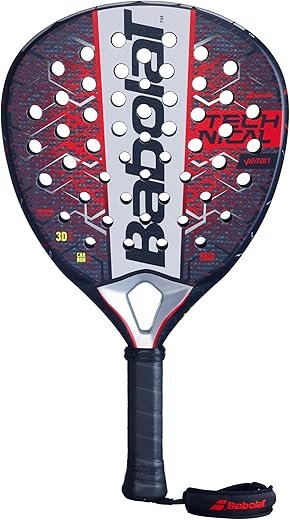
Babolat Technical Veron 2.5 Padel Racket
Quick checklist for 2025 buying: medium balance for better handling, carbon frame for stability, textured face if you want extra bite without losing touch, and a sweet-spot-focused shape (round/teardrop) to keep placement reliable. Build your choice around defense first, then add maneuverability–because the best accuracy comes from a stable face and repeatable swing timing, not raw power.
How control-oriented shapes (round vs teardrop) change shot margins under pressure
Pick a round shape if your priority is bigger safe margins when you’re late to the ball: the centered sweet spot increases accuracy on defensive lobs and low volleys, and the lower balance point improves handling when you’re rushed at the net.
Round frames keep the mass closer to the hand, so you get steadier face angles on compact swings. Under pressure, that matters more than raw output: you’ll feel cleaner touch on drop volleys and safer placement to the side glass because the head doesn’t “float” as much. In practical terms, many players see fewer errors on blocked returns and backhand bandejas because the racket stays stable through contact, improving precision without needing a full swing.
- Round shape = wider margin on off-center hits: better for late contact, shaky footwork, and constant scrambling.
- Lower balance = easier handling for quick reactions: helps when you have to stick the volley or reset from a fast body shot.
- More stability in defense: blocks and digs feel more predictable, so your accuracy stays high when breathing is up.
Choose a teardrop shape if you want extra reach and depth while still keeping a forgiving feel. The sweet spot shifts slightly upward, so you gain easier length on lobs and more “free” depth from the back court. The trade-off is tighter margins on rushed contact: the higher balance can pull your timing forward, so you must commit to cleaner preparation to keep placement sharp.
- Teardrop = better depth with less effort on high balls, but you must watch face angle to maintain precision.
- Higher balance = more head momentum: great for firm volleys, yet handling can suffer if you’re late.
- Shot selection under pressure: prioritize safer targets (middle or high-to-glass) to protect accuracy when rushed.
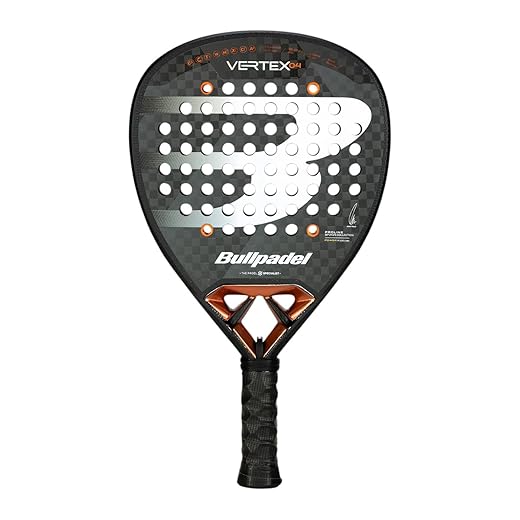
BULLPADEL Padel Racket Vertex 04 2025 Juan Tello | Professional Diamond Shape Pala Padel | Xtend Carbon 12K & MultiEva Core | Curvaktiv & Air Power Frame...
For 2025–2026 Amazon-available choices, look for modern “soft-to-medium EVA + carbon face” builds that keep stability without feeling dead. Examples to search: HEAD Speed Motion 2025 (teardrop, quick but punch, Adidas Metalbone Carbon 3.4 (2025/2026 listings) in lighter specs (teardrop with adjustable feel), and Bullpadel Vertex/Elite 2026 variants (often teardrop/diamond-like, choose the more forgiving models for better handling). If you want round geometry options, check 2025 updates in Nox “ML10” style lines and Siux round-series releases–filter for “round shape” and “low balance” in the product description to maximize touch and accuracy.
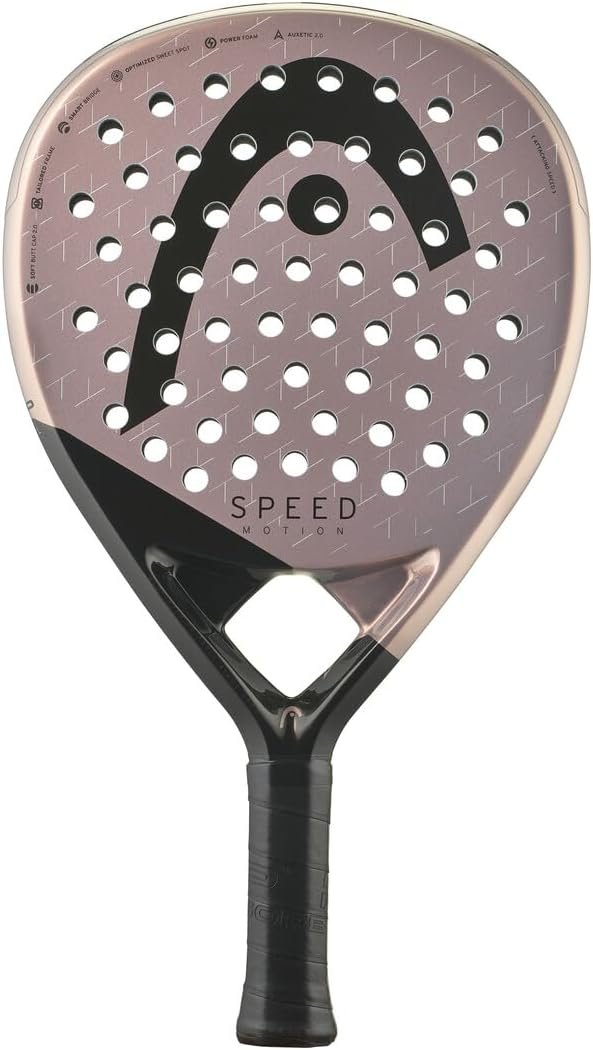
HEAD Speed Padel Racket Paddle Series (Pro, Pro X, Motion, Elite, ONE, ONE X, Team)
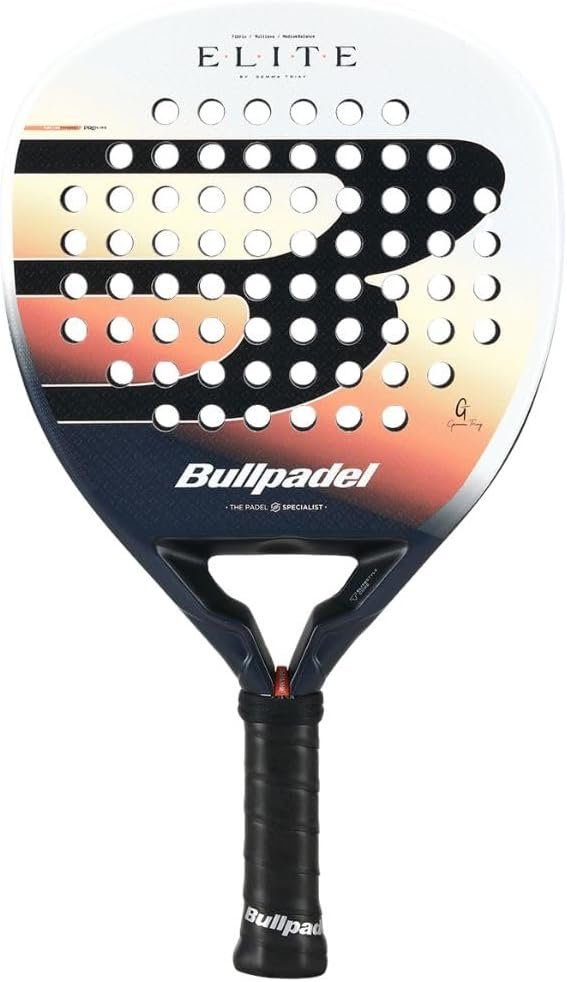
BULLPADEL Padel Racket Elite Woman 2026 | Gemma Triay Pala Padel for Control, Power & Elegance | Elite Core Stability, Fibrix Face & Air React Channel |...
Why low-to-mid balance improves recovery speed after volleys and bandejas
Pick a low-to-mid balance frame (roughly 255–265 mm balance point, or about 1–2 cm below the geometric center) if you want faster recovery after volleys and bandejas. With less mass concentrated in the head, your wrist and forearm don’t have to “brake” the racket as much after contact, so the return to ready position is quicker and cleaner. In practice, players typically feel easier handling on quick exchanges at the net, plus better stability on off-center hits because you can re-square the face sooner.
For volley-to-volley sequences, low-to-mid balance improves maneuverability during the split-step: you can keep the face slightly open, absorb pace with more touch, and still move the head back in front of your chest within a fraction of a second. That helps placement to the feet or the side glass without over-swinging. A simple cue: shorten the backswing, meet the ball early, and “freeze” the finish–this boosts accuracy and precision while keeping recovery speed high.
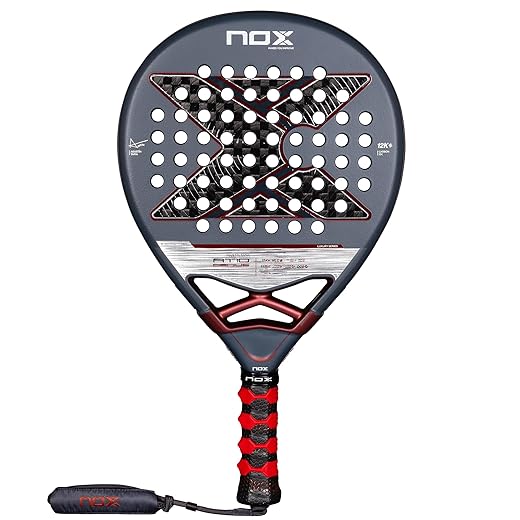
Padel Racket AT10 Genius 12K by Agustin Tapia 2025 | Luxury Series Teardrop Pala Padel | EOS Flap Aerodynamics & Custom Grip Technology | Carbon with MLD...
On bandejas, the benefit is even clearer: after the overhead slice, you must recover to cover the middle or retreat into defense depending on the opponent’s reply. Low-to-mid balance reduces rotational inertia, so the racket comes back down and forward faster, letting you re-grip and reset your stance sooner. To maximize stability, aim for contact slightly in front of your hitting shoulder, keep the elbow higher than the wrist, and use a compact follow-through toward the target; the lower head-load makes that compact motion easier to repeat without losing control of the face angle.
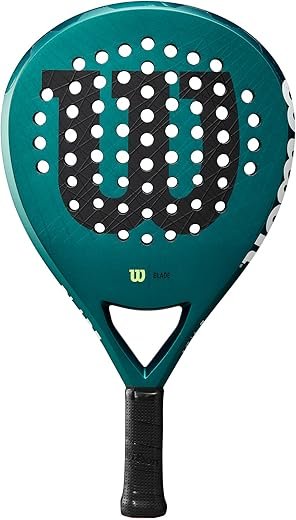
Wilson Blade Padel Rackets
For SEO-focused buying in 2025, look for 2025–2026 models on Amazon that list “low balance” or “even/medium balance,” plus EVA Soft/Medium cores and carbon face options (12K–18K) for a blend of touch and stability. Good examples to compare in that range include Head Speed Motion 2025, Babolat Air Veron 2025, Wilson Blade V3 2025, and Nox AT10 Luxury Genius 12K 2025 (choose the variants advertised as medium/low balance). Match the frame to your role: net players prioritize maneuverability and handling; players who defend more often should favor a slightly softer core to keep precision on lobs and blocks under pressure.

Babolat Air Veron 2.5 Padel Racket
How foam density (soft EVA vs hard EVA) impacts touch on dropshots and lobs
Pick soft EVA if your priority is a “grabby” touch and safer placement on dropshots; pick hard EVA if you want a faster rebound for deep lobs with higher accuracy when you accelerate. As a quick rule: soft EVA = longer dwell time (ball stays on the face a fraction longer), hard EVA = higher bounce-back (ball leaves faster). That single change shifts your precision at low speed and your handling under pressure.
On dropshots, soft EVA helps because it dampens impact and reduces “trampoline” effect at slow swings. You can open the face slightly and guide the ball short without it popping up. For SEO-targeted match play terms: if you often play block-and-drop from the back glass or during tight net exchanges, soft EVA usually improves maneuverability in the sense that you don’t need a big swing to get reliable accuracy. Pair it with a medium head shape and moderate surface texture to keep balance stable when you feather the ball.
On lobs, hard EVA rewards clean technique: it returns energy quickly, so you can lift the ball deep with a compact motion, which helps late-contact defense. The trade-off is that mishits launch higher and longer, so your precision depends on centered contact and steady wrist. If your lobs are floating short, moving from soft to hard EVA often fixes it immediately–especially in humid conditions where softer foams can feel “too muted” and cost you length.
For 2025–2026 Amazon-available picks, look at current lines such as Nox AT10 (soft/medium EVA variants), Adidas Metalbone Carbon (firmer feel options), and HEAD Speed/Gravity series (often offered in different foam feels depending on edition). For dropshot-focused players, choose the softer foam version and keep swing speed lower; for lob-heavy defense, choose the firmer feel and practice a higher finish to control depth. In both cases, aim for a neutral-to-slightly head-light balance to keep handling quick at the net.
When a smaller sweet spot becomes an advantage for repeatable contact
Choose a 2025–2026 round-shape, low-balance frame with a tighter sweet spot if your goal is repeatable contact: it forces cleaner timing, then rewards you with better accuracy and more consistent placement once your swing path is stable.
A smaller sweet zone becomes an asset in fast rallies because it “punishes” off-center hits early in training. After 2–3 sessions, most players naturally shorten the backswing and meet the ball in the same spot more often. That repeatability improves handling under pressure: you feel the same response on blocks, volleys, and controlled lobs, which builds reliable touch for soft angles instead of random pop-ups.
To get the upside without losing too much forgiveness, prioritize specs that boost stability: look for 3K/12K carbon faces with a medium EVA core and a frame advertised with anti-vibration inserts. Also keep the balance at the handle (or slightly head-light) to maximize maneuverability–you’ll arrive on time and make centered contact more often, which is the whole point of a compact sweet spot.
Amazon (2025–2026) shopping targets to search for: Nox AT10 2026 (round variant or “comfort” editions), Adidas Metalbone Carbon 2026 (lower-balance configurations), Bullpadel Vertex 04 2025 (if you need extra frame reinforcement for stability), and Head Speed Motion 2026 (for quick maneuverability and easier handling). Compare by published balance point and face material; pick the model that keeps your contact centered during rapid exchanges.
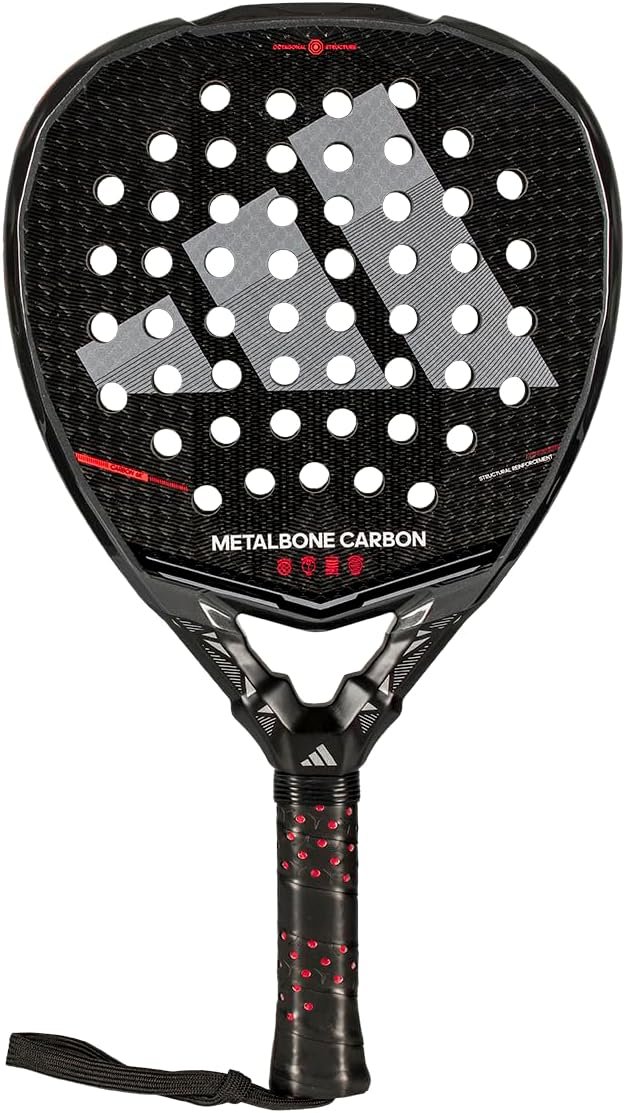
METALBONE CARBON 2026
For defense, a smaller sweet spot helps when you commit to compact blocks: keep the racket in front, use short punches, and aim placement to the feet or back glass. A head-light setup makes it easier to reset after each hit, while a stiffer face can add precision if your timing is already solid.
Control vs Power: Match Situations Where Pros Prioritize Precision
Pick a round/teardrop frame with medium EVA and a low-to-mid balance when the rally pace is high and you need repeatable placement more than brute force; it gives cleaner touch, steadier handling, and better maneuverability at the net.
Situation 1 – Defending the glass under heavy pressure: prioritize precision and accuracy to reset the point. A head-light setup improves defense because you can block late, keep the face stable, and guide the ball low to the middle or deep to the backhand corner. Aim for high, deep lobs when pinned, then switch to soft chiquitas once you regain position. Look for 2025–2026 Amazon models such as Adidas Metalbone Carbon (2026) or HEAD Speed Motion (2025) when you want quick handling and consistent rebound on compact blocks.
Situation 2 – Countering fast volleys and body attacks at the net: winning often comes from first-contact accuracy, not speed. Choose gear with a generous sweet spot and predictable exit so your placement stays tight: firm punch volleys to the feet, short angles, and “hold-and-release” touch on drop volleys. Good balance helps you keep the racket face square during rapid exchanges, while maneuverability lets you change direction without opening your shoulders early.
Situation 3 – Building points with bandeja and vibora instead of full smashes: precision scoring is about height and depth. A more controlled response helps you vary placement: deep bandeja to the corner, then a faster vibora to the middle gap. For 2025–2026 Amazon options that suit this style, consider Bullpadel Vertex 04 Hybrid (2025) for a blend of stability and touch, or Wilson Bela Pro V3 (2025) if you like crisp handling and directional accuracy on slice-heavy shots.
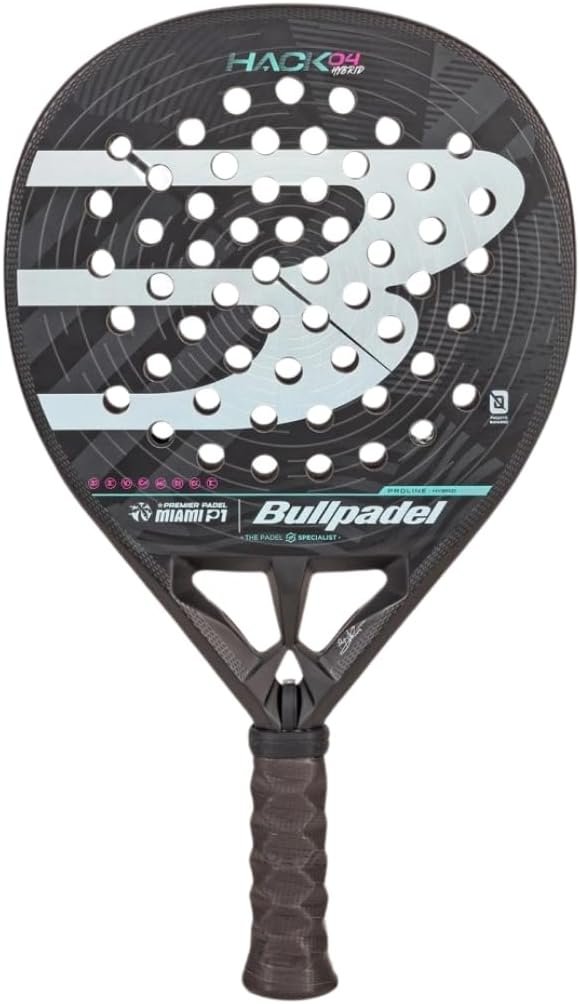
BULLPADEL Padel Racket HACK 04 Hybrid 2025 Miami Paquito Navarro | Limited Edition Diamond Shape | TRICARBON 3D & MULTIEVA Core | Channel Technology & Triple...
Situation 4 – Tie-breaks and closing games: reduce errors by choosing repeatable targets and a frame that rewards accuracy. Play “two safe balls then pressure”: deep cross-court, deep cross-court, then a sharp placement to the body. A lower balance makes your preparation faster under nerves, and the cleaner touch helps you take pace off without floating the ball.
- When to prioritize precision: defending off the back wall, fast volley exchanges, windy conditions, tight scorelines, slower courts where placement wins more points.
- When to prioritize power: you consistently win net position, opponents lob short, and you can finish with high-percentage overheads.
Quick buying checklist for 2026: medium EVA + round/teardrop shape, rough face for slice placement, stable frame to keep accuracy on blocks, and a head-light to mid balance for maneuverability and cleaner handling in defense.
Why building points with deep cross-courts beats going for winners on slower courts
Hit 70–80% of your rally balls as deep cross-courts to the back glass, not flat winners: on slower surfaces the ball sits up and gives defenders time, so your “winner” often comes back. Deep cross-courts force longer travel distance, make the opponent hit off the back wall more often, and raise their error rate–especially from awkward shoulder-height rebounds. Prioritize stability through a solid base and a calm swing, then add precision to land within 1–1.5 meters of the back glass and 0.5–1 meter from the side wall for maximum jam.
Use a simple pattern: 3–5 deep cross-courts to move the pair, then switch to a heavy ball at the opponent’s feet or a short angled ball when you see a late split-step. This creates accuracy under pressure because your target stays big (deep corridor) while the opponent’s contact point shrinks. The key is touch: add a slightly higher net clearance (about 40–70 cm above the tape) with controlled topspin/slice so the ball drops late and dies after glass. If you try to blast through slow conditions, you lose handling and rush your preparation; deep cross-courts let you keep your balance and choose the right moment.
For defense-to-offense transitions, deep cross-courts are the safest exit. When pinned, send a high, deep cross-court lob that lands close to the back glass and drifts toward the side wall; it buys time, resets your position, and reduces the opponent’s overhead angles. On the next ball, step in and repeat the cross-court depth until you get a short reply. This approach rewards maneuverability: you move less forward/back, more side-to-side in a predictable lane, so your legs stay fresh and your contact stays clean.
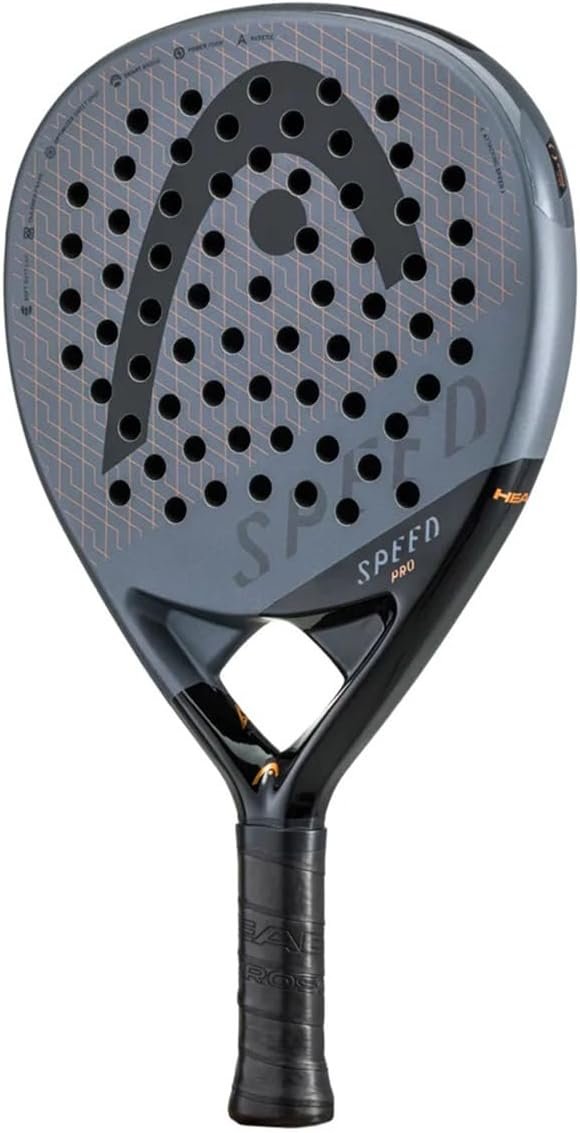
Gear that supports this plan should feel head-light enough for quick handling but firm enough for stability on slower balls. Consider 2025–2026 options commonly available on Amazon such as Wilson Bela Pro V3 (2025), Head Speed Pro (2025), Bullpadel Vertex 04 (2025), Nox AT10 Luxury Genius 18K (2025), and Adidas Metalbone 3.4 (2025). Look for a mid-to-high balance that still keeps maneuverability for repeated cross-courts, plus a face that offers precision and accuracy on medium-speed swings. If your timing is inconsistent, a slightly softer core can improve touch on deep placements; if you hit hard, a firmer build helps defense against heavy drives and keeps the face stable on off-center contact.
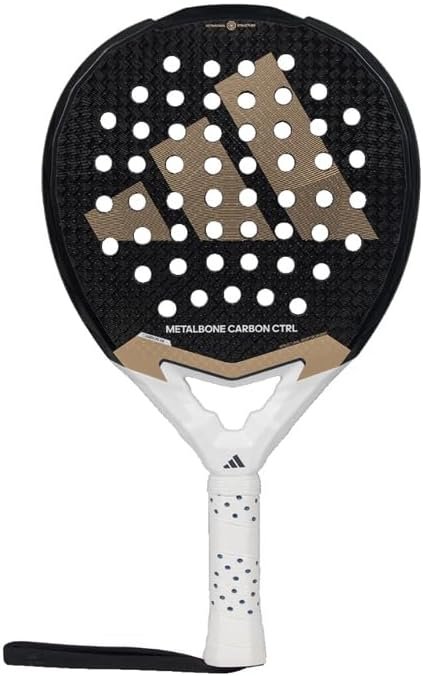
Adidas Metalbone Carbon Ctrl 3.4 2025 Padel Racket One Size
Tactics for Slower Courts
| Goal | Key Action | Focus |
|---|---|---|
| Win with depth | Land shots deep & wide (1–1.5m from back glass). | Precision |
| Hold long rallies | High clearance (40–70cm) with dying spin. | Touch & Stability |
| Reset from defense | High, deep cross-court lob to neutralize. | Defense & Control |
| Stay quick in exchanges | Small steps, early prep, avoid big lunges. | Maneuverability |
Track results to keep it practical: aim for at least 6 out of 10 cross-courts landing deep during practice, and during matches count “forced wall contacts” you create–target 8–12 per set. If that number is low, your ball is too short or too central; adjust with more margin and better balance rather than more speed.
Questions and answers:
Why do many pros pick a control padel racket instead of a power model?
Because control frames help them place the ball under pressure. A round shape, a lower balance, and a larger sweet spot make touch shots more stable: chiquitas that stay low, controlled lobs that land deep, and volleys that don’t “jump” off the face. At high pace, small timing errors happen—control rackets reduce the penalty, so pros can keep rallies tight and force weaker replies rather than chasing winners on every ball.
Does a control racket mean you can’t hit hard smashes or finish points?
No. Pros still finish with control rackets; they just create the chance first. Power in padel is not only the racket—timing, technique, shoulder rotation, and positioning matter more. A control model may feel less “explosive” on flat hits, but many players compensate with higher swing speed, better contact point, and smarter shot selection (kick smash, vibora, bandeja into the fence, or a well-placed volley). You may lose a little free power, but you often gain cleaner contact and better direction on the balls that actually decide points.
I’m an intermediate player: will a control racket help my consistency, or will it make me too passive?
It usually helps consistency, mainly on defensive shots and fast exchanges. If you’re missing because the ball flies long, a calmer rebound and bigger sweet spot can reduce unforced errors. You won’t become passive unless you choose a very soft model that “dies” on attacking balls and you rely on the racket to do the work. A good middle ground is a round racket with medium core firmness and a slightly textured face: stable for blocks and lobs, but still sharp enough for volleys and overheads when you step forward.
How do pros decide between a control racket and a power racket for a specific match or court?
They look at conditions and tactics. On faster courts (newer turf, warm temperatures, lively balls), control helps keep shots inside the glass and prevents the ball from sitting up. On slower courts or in cold weather, some players switch to a firmer or higher-balance model to get more speed on overheads and volleys. Opponents matter too: against strong defenders, control and placement can be safer; against teams that leave gaps, extra punch may pay off. Many pros also tweak weight and grip buildup to fine-tune balance without changing the whole racket model.
Why do many pros choose control padel rackets instead of power models?
Because high-level padel is often decided by placement, tempo, and decision-making rather than raw force. A control racket (usually rounder head, lower balance, larger sweet spot) helps pros keep the ball on a tight line under pressure: softer blocks, cleaner volleys, steadier lobs, and more predictable bandejas/víboras. In fast exchanges at the net, that extra stability and forgiveness reduces small errors that give away points. Also, pros can still generate plenty of pace through technique, timing, and body rotation, so they don’t need a head-heavy “power” shape to hit hard. The control frame lets them swing with confidence, use more margin over the net, and repeat the same shots deep into a long match.



No Comment! Be the first one.